Section 144 imposed in several areas of Upper, Lower South Waziristan amid security concerns
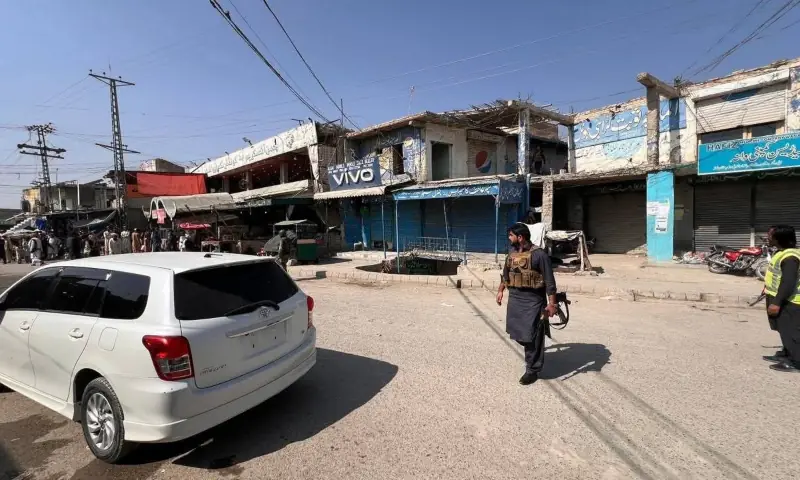
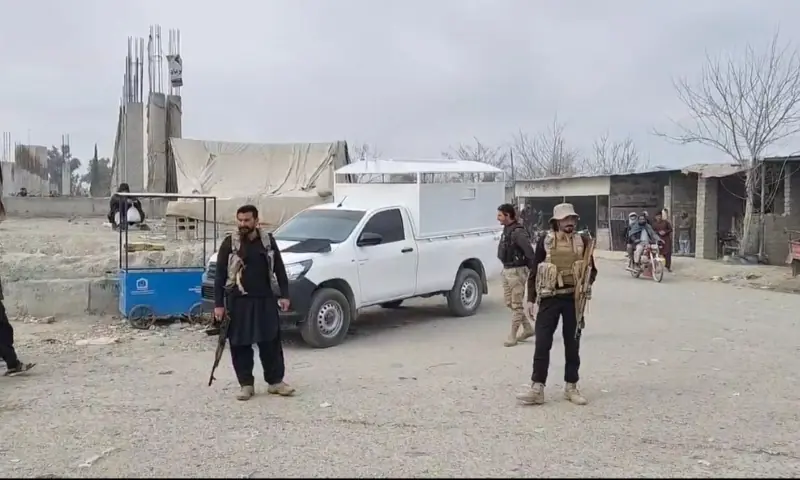
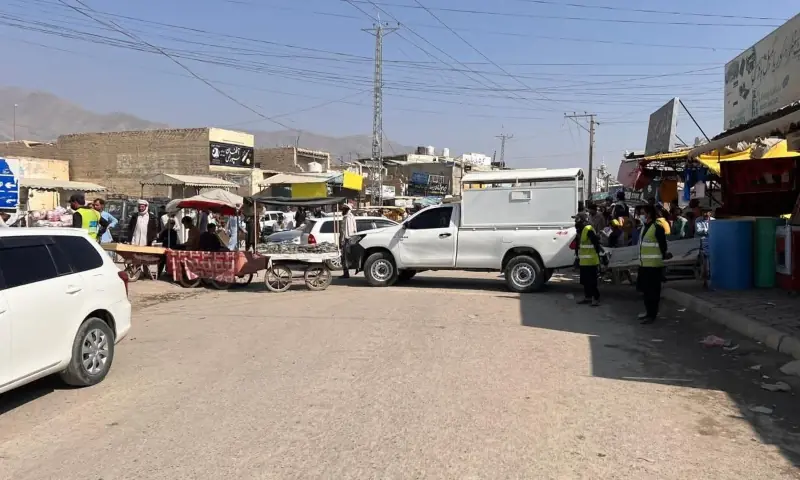
SOUTH WAZIRISTAN: The district administrations of Khyber Pakhtunkhwa’s Upper South Waziristan and Lower South Waziristan imposed Section 144 in several areas on Monday due to security concerns and the movement of security forces, officials said.
According to separate notifications issued by the deputy commissioners of both districts, restrictions have been enforced on public movement in designated areas, while several key roads have been temporarily closed to ensure the smooth movement of security personnel and logistical convoys.
Lower South Waziristan Deputy Commissioner Musarrat Zaman said Section 144 would remain in force from 6am to 6pm on Monday. The restrictions were imposed as a precautionary measure in view of prevailing security concerns in and around Wana and adjoining localities.
The district administration announced the temporary closure of several key routes, including Wana-Tiarza Road, Karab Kot, Azizabad Chowk, Dargai and the route leading to Toi Khula Gul Kach. Authorities said all forms of movement on these roads would remain restricted during the specified period.
Zaman urged residents to avoid unnecessary travel and strictly comply with the instructions issued by the district administration and law enforcement agencies. He emphasised that the measures had been taken in the larger interest of public safety and regional security.
Meanwhile, Upper South Waziristan’s DC Irfan Ali imposed Section 144 in the subdivisions of Sararogha and Servekai. Under the restrictions, public movement in certain sensitive areas has been prohibited for the duration of the order.
According to the district administration, the restrictions were introduced due to security-related concerns and to facilitate the safe transportation of logistical supplies for security forces operating in the region.
Several major roads and routes in Upper South Waziristan have also been closed, including those linking Ladha, Makeen, Kotkai, Spinkai Raghzai and Nazar Khel. Additional restrictions have been placed on routes passing through Asman Manza, Kaniguram, Karama to Kotkai, Dargai Bridge, Madi Jan, Moley Khan Sarai and Chagmalai.
Officials advised commuters to use alternative routes where available and cooperate fully with security personnel deployed across the affected areas.
The deputy commissioners of both districts also issued public safety advisories, directing motorists to maintain a minimum distance of 50 metres from security forces’ vehicles. Citizens were warned not to obstruct the movement of official convoys or engage in activities that could compromise ongoing security arrangements.
Authorities said the temporary restrictions were necessary to maintain law and order, ensure public safety and facilitate security operations in the region.
The district administrations also appealed to residents to cooperate with security forces, police and civil authorities, rely only on verified information from official sources and refrain from spreading rumours. Officials expressed hope that public cooperation would contribute to maintaining peace and stability and help ensure the successful implementation of security measures across both districts.
After two consecutive months of improvement, Pakistan’s security situation deteriorated sharply in May 2026, driven primarily by escalating terrorist violence in KP and Balochistan, according to the Pakistan Institute for Conflict and Security Studies (PICSS).
As the two provinces continue to grapple with militancy, with attacks often targeting security personnel and law enforcers, the state has intensified counter-terrorism operations.
According to the Inter-Services Public Relations (ISPR) on Saturday, 21 terrorists were killed within 72 hours in intelligence-based operations (IBOs) in North Waziristan.
On June 2, the district administration imposed Section 144 for an indefinite period in the Miranshah subdivision, restricting all movement and traffic amid security concerns.
Meanwhile, elders in a peace jirga on Wednesday expressed concern over surge in the incidents of kidnapping for ransom, targeted killings, bomb explosions and other acts of violence in South Waziristan.