0
0

The World Food Safety Day, which was observed earlier this month (June 7), was a reminder of the risk posed by food-borne diseases. According to The Lancet journal, around 200 different food-borne diseases affect human health and quality of life by impacting financial security, learning outcomes and national productivity. And, according to various World Health Organisation (WHO) reports, 866 million people become ill across the world every year after consuming contaminated food, and 1.52 million die due to infections caused by such intake.
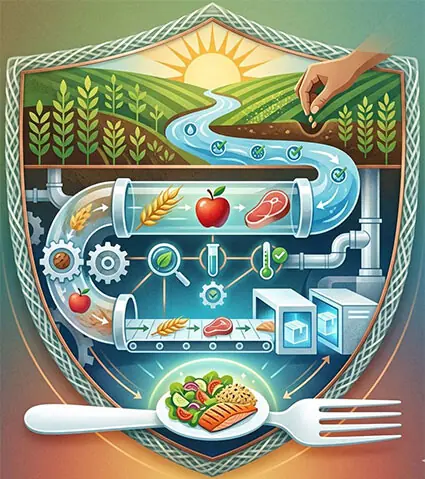
Pathogens and microbes grow in food, causing severe illnesses. These infections also affect the absorption of various nutrients in the body, leading to deficien-cies. Contaminated food loses nutrients before it reaches the table. Food should be safe from the farm to the fork. For that, there should be checks at every level. Mostly, food-borne illness is a result of biological contamination, supply chain and processing contamination, tempe-rature and storage failures, and inclusion of chemicals and natural toxins. The workers in the food industry should also be biochemically tested and vaccinated to ensure their health status and food safety.
It is necessary to enhance regular food inspection, surveillance or monitoring in the markets to ensure public health at all costs. The general public should also be sensitised about the importance of food safety both while buying and storing food.
Tabinda Ashraf Shahid
Islamabad
Published in Dawn, June 12th, 2026