Though we have seen many plans — be they industrial strategies, export frameworks, investment facilitation programs, or reform agendas — very few see the light of day, and even fewer reach the implementation stage.
Outcomes, for all relevant reasons, remain below potential. What we need is to shift our attention from making plans to executing them, and execution, as we all know, requires capable and consistent human potential.
Any economy needs a base of skilled workers, capable managers, engineers, technicians, researchers, specialists, and innovators to compete within the region and across the globe. Without the right human resource base, the best of policies taste dirt, ambitions remain aspirations, and development is a dream.
The budget is about to be presented, and while geopolitics and inflationary trends will have affected it, incorporating human capital development as an economic investment and competitiveness strategy may just save the day.
Countries do not become wealthy because of natural resources alone, but through a strong base of skilled workers
The Association of Southeast Asian Nations has been a super example of what an economic development blueprint must look like as it integrates collaboration and human development at its core — yet Pakistan seems to have missed this valuable insight.
South Korea invested heavily in education and skills before becoming an export powerhouse. Vietnam strengthened its human resource base before attracting global manufacturers. Bangladesh developed the capabilities required for export industries before becoming a global textile leader. Rwanda invested in digital skills long before technology investment arrived. They invested in people first. Growth followed.
Pakistan has often attempted the reverse, resulting in an economy that remains dependent on factors that cannot be fully controlled. Today, the challenge is a lack of capability that is impacting the entire economy.
We can see that Pakistan’s exports remain concentrated in low-value textiles, rice, and commodities, while the fastest-growing segments of global trade are increasingly knowledge-driven and technology-led. It is for all to know that advanced manufacturing requires internationally trained technicians, technology exports require AI specialists, software architects, data scientists, and cybersecurity professionals.
Healthcare exports require globally certified expertise. Mineral wealth requires engineers and processing specialists capable of converting raw resources into high-value products. Where is our bridge that connects the majority of our youth and our labour to these platforms? How are we looking into skill upgrade? Talent is the difference between exporting commodities and exporting value. Investors consistently choose locations where skilled talent is available. Without that talent, investment goes elsewhere.
The urgent need is to focus on building capabilities in sectors that can significantly raise productivity, exports, and employment. These include manufacturing, agri-processing, minerals processing, construction, healthcare, artificial intelligence, data sciences, cybersecurity, enterprise technology, digital financial services, telemedicine, and legal process outsourcing.
The skilled manpower export sector should be considered a strategic industry in its own right. Internationally certified workers in construction, engineering, healthcare, industrial maintenance, and technical trades can command substantially higher incomes while strengthening remittance inflows. A highly skilled worker is not merely an employee but an export.
Equally important is the inclusion of women. Pakistan’s young female population (almost 50 per cent) represents one of its largest untapped economic resources. Countries such as Bangladesh and Malaysia significantly expanded their productive capacity by documenting and increasing women’s participation in the workforce, while we have a substantial number of women in our agri fields whose work remains undocumented and unbanked.
Not only do we need the technology to empower all working fields, whether essential services, agriculture, healthcare, education, entrepreneurship, financial services, and remote work, but also target female inclusion as a mandatory requirement.
Reiterating concerns about talent development, we should strengthen the connection between industry and academia. The gap that now exists between the degree holder and the job requirement needs to be addressed most immediately through structured partnerships. Academic institutions at all levels and the government must jointly design curricula, certifications, apprenticeships, internships, and research programs aligned with future economic needs. Industry should help shape educational outcomes, while universities should become centres of applied research, innovation, commercialisation, and entrepreneurship.
Pakistan does not need another committee. It needs a permanently empowered institution focused exclusively on strengthening national human resource capability. A national talent development commission should be established through an act of Parliament, reporting directly to the prime minister and operating beyond political cycles. Its governing board should include leading industrialists, exporters, technology experts, multinational corporations, university leaders, and provincial representatives.
The commission should coordinate a national talent strategy while reflecting provincial realities and strengths. Punjab’s industrial base, Sindh’s technology and services sectors, Khyber Pakhtunkhwa’s mineral potential, and Balochistan’s natural resources each require tailored capability development plans. Provincial governments should co-own priorities, align educational institutions with national standards, and invest alongside the federal government. The budget must look into a provision for this.
Human capital development must also become a national priority across both the public and private sectors. Large enterprises and industry associations should prepare annual human resource development plans aligned with national priorities. Companies investing in apprenticeships, technical training, certifications, and workforce development should receive enhanced fiscal incentives and tax credits.
Leveraging international partnerships more effectively, Chinese technical universities under the China-Pakistan Economic Corridor, together with leading institutions from the Gulf, Europe, and other strategic partners, can collaborate with Pakistani universities and training institutions on joint certification, research, and technology programs.
Human capital creates every other form of capital. It drives productivity, innovation, investment, competitiveness, and long-term prosperity. Countries do not become wealthy because of geography or natural resources alone.
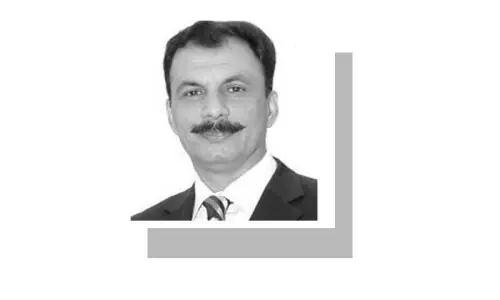
Yousaf Hussain is President of Faysal Bank and President of the Overseas Investors Chamber of Commerce and Industry
Published in Dawn, The Business and Finance Weekly, June 8th, 2026