IHC rejects reliance on intelligence reports for coveted postings
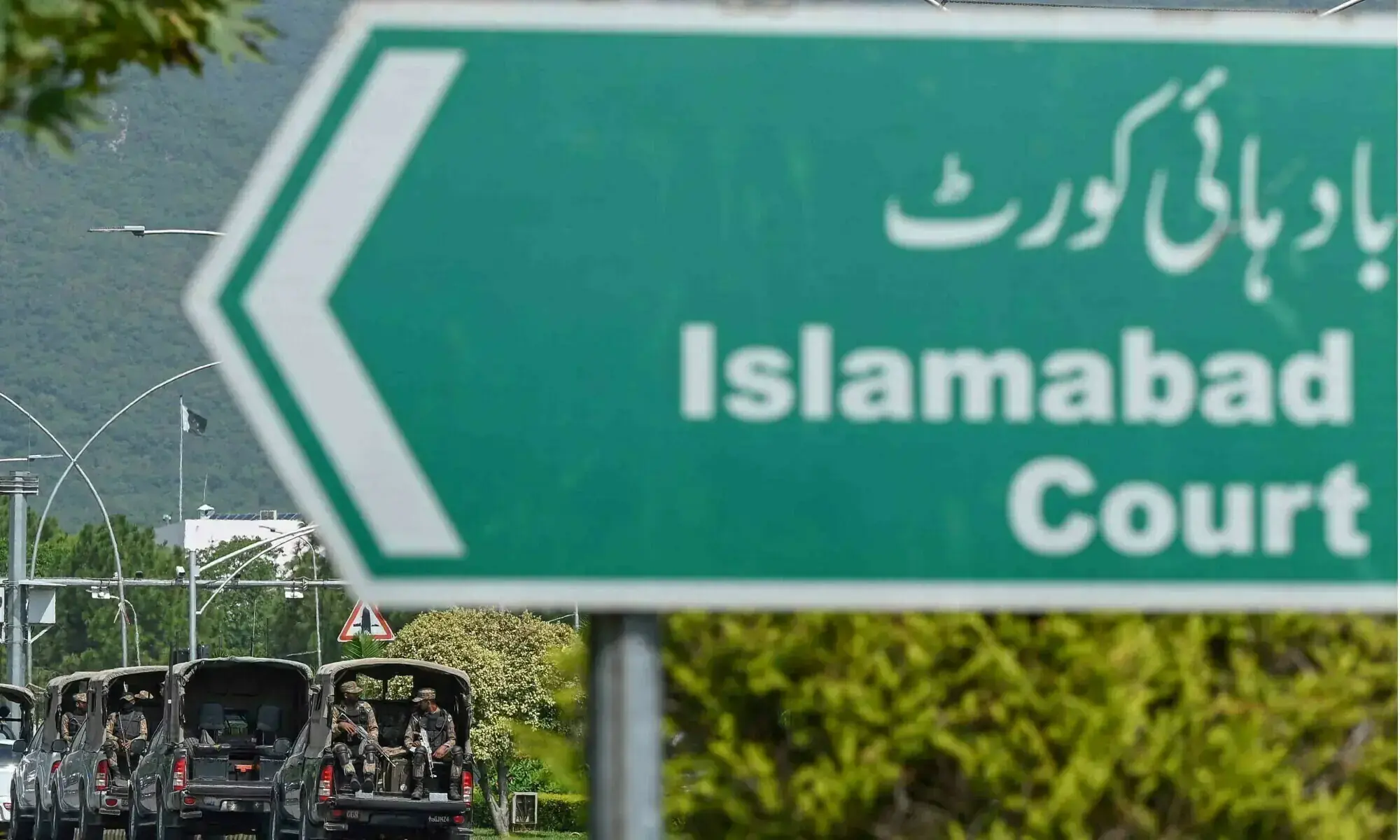
ISLAMABAD: The Islamabad High Court (IHC) has set aside the government’s decision to deny foreign postings to several selected Trade and Investment Officers, ruling that executive authorities cannot deprive individuals of accrued rights on the basis of undisclosed intelligence reports that are neither shared with the affected persons nor produced before the court.
In a detailed 26-page judgement, Justice Raja Inaam Ameen Minhas declared unlawful the Ministry of Commerce’s decision to withhold the appointments of successful candidates solely on the basis of adverse assessments attributed to the Intelligence Bureau (IB).
The petitioners were represented by advocates Kashif Ali Malik, Barrister M. Saad Buttar, and Syed Hasnain Ibrahim Kazmi, who argued that the government could not reverse a completed merit-based selection process through secret vetting reports that were never disclosed to the candidates.
They maintained that the petitioners had acquired vested rights after obtaining approval from the competent authority and completing all mandatory requirements for foreign postings.
Selected candidates had completed tests, interviews, training, pre-departure formalities
The dispute arose from the recruitment process for Trade and Investment Officers for Pakistan’s trade missions abroad, initiated in December 2024.
According to the record, the candidates successfully cleared written examinations, psychometric assessments, and interviews. They received approval from the prime minister, completed mandatory training, and fulfilled all pre-departure formalities.
Despite completing every stage of the process, several officers were denied final appointment letters after being declared “not suitable for posting abroad” by a special vetting agency. The court observed that the commerce ministry itself was unaware of the reasons behind the adverse recommendations and had acted merely on a bare conclusion communicated by the IB.
Published in Dawn, June 6th, 2026