Hazardous waste found on shores of Rawal Lake: Pak-EPA


 1
1
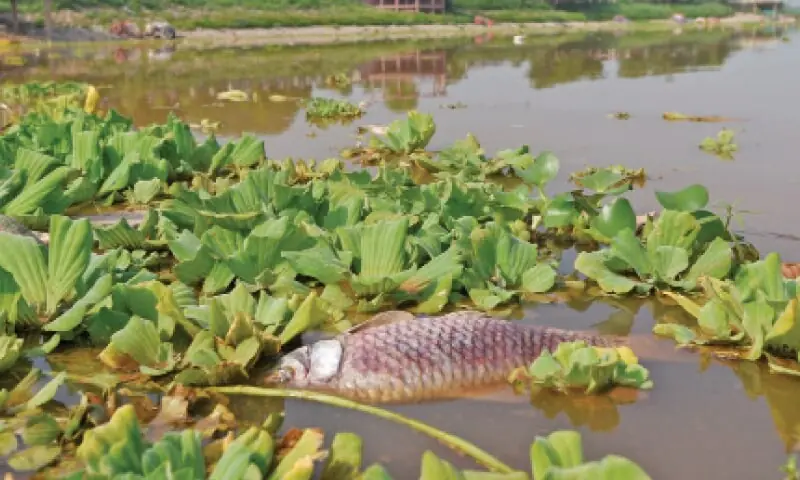

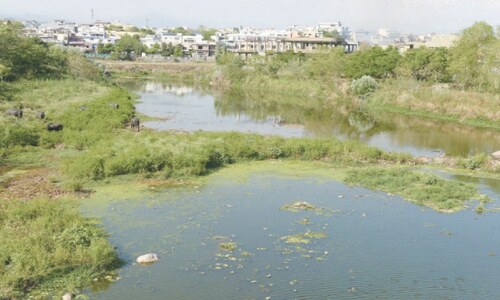
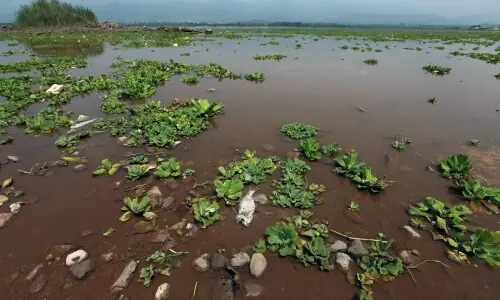
ISLAMABAD: The Pakistan Environment Protection Agency during a clean-up drive on the shores of Rawal Lake on Thursday found hazardous material such as discarded syringes, hospital waste and numerous plastic items in large quantities, highlighting the severe pollution threatening the lake’s ecosystem.
The clean up drive was organised in connection with the global celebrations of World Environment Day by Pak-EPA in collaboration with Nestle Pakistan.
The initiative, hosted by the Small Dams Department, government of Punjab, marked a flagship activity of Environment Week, aligning with this year’s global theme: “Inspired by Nature, for Climate, for our future.”
The clean-up campaign mobilised volunteers, schools and university students, civil society organisations, and the local community to systematically collect waste from the surrounding areas and the shore of Rawal Lake.
The campaign focused not just on cleaning the shoreline but also on raising urgent awareness about the dangers of improper medical waste disposal, the persistence of plastic pollution in freshwater bodies, and the preservation of natural habitats. Pak-EPA said that Rawal Lake, a critical water reservoir and recreational site in the capital, faced frequent littering and contamination, making this intervention critical for public health and environmental safety.
Leading the event, Director General Pak-EPA Syed Abrar Hussain, stated: “This drive is about more than collecting waste, it is about reshaping our relationship with nature. The presence of hospital waste and plastics in Rawal Lake is a stark warning. I strongly encourage our youth and all citizens to ensure that such activities are done continuously. We must move beyond one-day events to build lasting habits that protect our climate, inspired by nature itself.”
Meanwhile, on World Environment Day, Senator Sherry Rehman warned that Pakistan’s environmental crisis was no longer a distant threat but an unfolding reality affecting economic stability, food systems, water security, public health, and national resilience.
She said Pakistan remained among the world’s most climate-vulnerable countries, with the cost of inaction rising sharply.
“Climate change is no longer a future concern. It is already disrupting lives and livelihoods across the country,” she noted.
Published in Dawn, June 5th, 2026