IMF, World Bank, IEA chiefs warn of fuel scarcity if strait stays closed
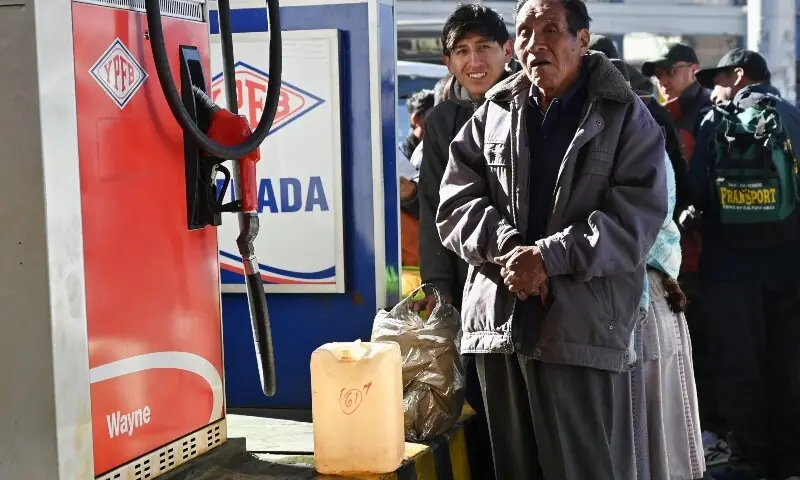
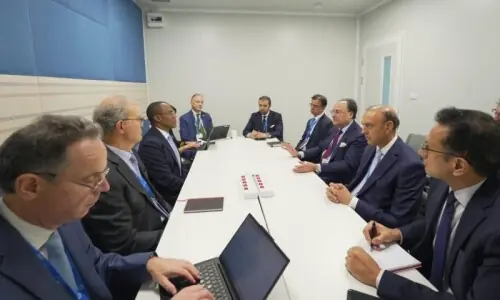
WASHINGTON: The heads of the International Monetary Fund, World Bank and International Energy Agency warned on Friday of the risks to fuel security during peak demand summer months if oil shipping through the Strait of Hormuz does not return to normal.
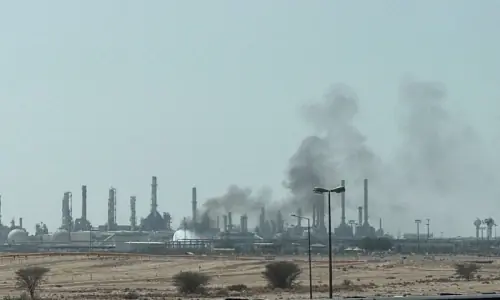
“Global oil inventories are being drawn down at a record pace in response to the major loss of supply through the Strait of Hormuz,” the heads of the agencies said in a joint statement.
“If shipping flows do not return to normal, continued rapid depletion of global oil inventories ahead of peak summer oil demand in the Northern Hemisphere would present increasing risks for fuel security, market conditions, and broader economic resilience.”
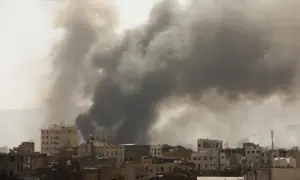
The US-Israel war on Iran has engulfed the Middle East in conflict, with Tehran’s retaliatory action targeting Washington’s regional allies and virtually blocking the key waterway, through which a fifth of global energy supplies normally pass.
The heads of the IMF, World Bank and IEA announced last month they were forming a group to coordinate the agencies’ response to the crisis, particularly for vulnerable economies.
In Friday’s joint statement, they again highlighted that the surge in energy and fertiliser prices due to the war was having a disproportionate effect on lower income countries.
“Higher fertiliser prices are of particular concern as many countries enter the planting season,” they said.
At the IMF’s spring meetings this year, the organisation’s chief Kristalina Georgieva highlighted that the war had forced a paring of the global growth forecast.
She estimated that vulnerable economies would need between $20-50 billion in financial assistance due to the economic fallout of the conflict.
This week, the Fund announced that Bangladesh had requested a financial assistance package and that it was in talks to develop a programme to help the South Asian country.
The war has had a broad-ranging impact around the world, especially on countries that are heavily dependent on oil and gas imports from the Persian Gulf, which includes much of south and southeast Asia.
Fertiliser supplies have also been impacted, and countries dependent on imports have been hit hard, with food security a key concern.
Published in Dawn, May 30th, 2026