0
0

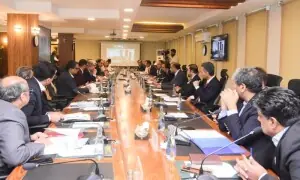
THE latest IMF staff report reveals the scale of Pakistan’s fiscal dilemma. The approval of fresh disbursements comes with aggressive revenue extraction demands and adjustments that will place more burden on the economy’s already documented, taxed and inflation-hit segments. The targets for the next fiscal year are staggering. Revenues must climb by 13.5pc to more than Rs17tr, with FBR alone required to collect over Rs15.3tr, or 13.7pc more than in the current year. It assumes that moderate growth, elevated inflation, better enforcement and some administrative reforms should yield results. Yet, the numbers expose the weakness of our fiscal structure: a narrow tax base that successive governments have failed to broaden meaningfully.
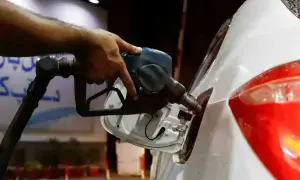
The report implicitly acknowledges this weakness. Much of the projected increase does not come from the expansion of the formal tax net but from higher petroleum levies, and intensified enforcement and improved recoveries from sectors already in the documentation framework. In other words, the state continues to squeeze those who are easiest to tax than those who are politically difficult to tax. This approach may help achieve the IMF benchmarks but risks deepening stabilisation fatigue. An additional 18pc increase in petroleum levy collections, one of the most convenient revenue extraction tools, will feed into inflation. Such indirect taxation is regressive because it falls disproportionately on lower- and middle-income households struggling with stagnant purchasing power. The situation is especially troubling for compliant taxpayers and formal businesses. Salaried classes have endured elevated taxation. Similarly, documented businesses continue to face rising energy costs, higher borrowing costs, regulatory uncertainty and increasing tax enforcement pressure. Under the current framework, the government’s ability to provide relief to these segments is limited because fiscal consolidation is almost entirely dependent on extracting more from the same pool of taxpayers. That is the central problem the authorities appear unwilling to acknowledge let alone confront. Sustainable fiscal reforms require politically difficult steps aimed at sectors that are undertaxed or effectively untaxed. Our fiscal crisis is no longer about numbers; it is about credibility and tax burden distribution. Unless policymakers are willing to tax politically protected sectors, ambitious revenue targets will remain socially and economically destabilising.
Published in Dawn, May 18th, 2026