0
0

LAHORE: Speakers at a discussion on “Pakistan’s Diplomacy: Strategic Mediation in Iran–US Conflict” examined Pakistan’s evolving diplomatic role amid rising regional tensions involving Iran, the United States and other global powers.
Bahauddin Zakariya University (BZU) Department of Political Science organized a panel discussion at Tahir Amin Seminar Hall, where diplomats, academics and media experts participated.
The session was initiated by Department of Political Science Dr Naeem Mahboob, who outlined the objectives of the discussion and emphasized the importance of understanding contemporary international conflicts through an academic and policy-oriented lens.
He stated that the purpose of the event was to provide students with an opportunity to directly engage with experienced diplomats, scholars and journalists on issues of regional security, international diplomacy and Pakistan’s strategic positioning.
The panel discussion was moderated by Department of Political Science Chairman Prof Dr Muqarrab Akbar, who remarked that students in South Punjab seldom receive opportunities to participate in such intellectually enriching discussions on international diplomacy and conflict mediation.
He hoped that such academic engagements would help broaden students’ understanding of rapidly changing global political dynamics.
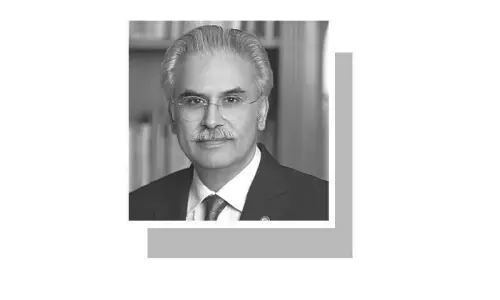
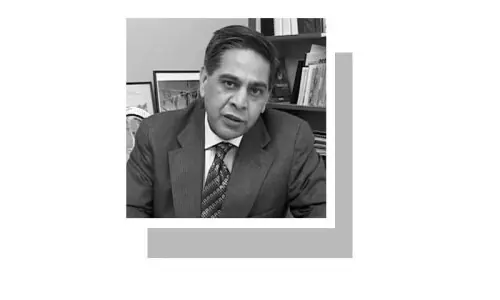
Among the panelists were retired Ambassador Syed Zulfiqar Gardezi, retired Ambassador Khayyam Akbar, journalist Khalid Baig and Islamia University of Bahawalpur Department of Political Science Chairman Dr Shakeel Akhtar.
Speaking on the occasion, Dr Akhtar observed that the Iran–US tensions could be analysed through multiple theoretical frameworks of international relations.
He argued that Pakistan–United States relations have historically passed through phases of cooperation and complexity, yet Pakistan demonstrated diplomatic maturity during the recent crisis by supporting de-escalation efforts while safeguarding its national interests.
According to him, Pakistan’s conduct reflected a careful balance between realism, strategic necessity and regional stability.
Mr Gardezi stated that Pakistan’s foreign policy has consistently been guided by national interests and pragmatic diplomacy.
He noted that Pakistan’s civilian and military leadership remained on the same page during the crisis and managed the situation with caution and strategic wisdom despite the country’s simultaneous relations with Iran, Saudi Arabia and the United States.
He emphasized that Pakistan’s constructive role received international recognition and helped prevent the possibility of a wider regional crisis.
Mr Akbar highlighted the broader geopolitical dimensions of the conflict, arguing that the issue extended beyond Iran and the United States and also involved the strategic calculations of China, Pakistan and other regional powers.
He maintained that Pakistan’s recent strategic and diplomatic successes had enhanced the country’s international standing and increased global attention towards Pakistan’s regional role.
He further stated that the international community now expects Pakistan to continue contributing positively towards regional stability and conflict management.
Mr Baig stated that both social and electronic media played a significant role in strengthening the national narrative and maintaining public confidence.
Published in Dawn, May 15th, 2026