Iran war creates new must-have for summer holidays — the plan B



Greg Abbott was planning his summer holiday with half an eye on the Iran war. He intended to stay closer to home in Europe and was lining up a plan B, wary of rising air fares and cancellations.
The 54-year-old Britain-based Australian was planning a cycling trip with friends in Austria, a festival in Barcelona and possibly a yoga retreat in France. But he did not want to go too far and was keeping travel options open.
“We’ll almost certainly be doing short-haul Europe, and almost certainly be doing trains, because they run on electricity,” said Abbott, head of operations for a broadcasting company, adding cost was a key factor against longer trips.
“The prices are just crazy at the moment.”
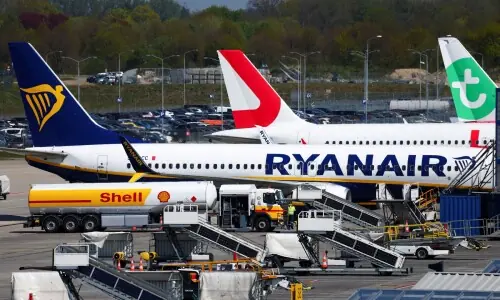
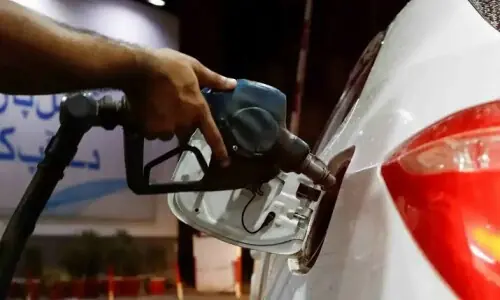
Across Europe and beyond, tourists are reshaping plans in a world of $100 oil, tight jet fuel supply, higher costs and Middle East conflict disrupting popular routes. Many are booking later and building in flexibility.
“We observe travellers becoming more cautious and deliberate,” said Susanne Dickhardt, co-founder of camper van and motorhome hire firm Roadsurfer.
Most are adapting rather than cancelling, she said, staying nearer home, driving and choosing formats that keep costs down.
‘People get nervous’
Tourism and aviation are among the sectors most exposed to the war. Slow-moving peace talks point to a prolonged stand-off, hitting Gulf airlines and popular hubs such as Dubai, while nearly doubling jet fuel prices.
“You’ve got a war happening — a major war,” said Jean-Francois Rial, CEO of tour operator Voyageurs du Monde, adding his firm had seen business drop around a quarter in March, easing to about a 10 per cent decline in April.
“People get nervous; they don’t want to travel anymore.”
Airlines warned profits were under pressure. Air France-KLM expected its jet fuel bill to jump by $2.4 billion this year, while Lufthansa and British Airways owner IAG saw rises of about $2 billion.
US low-cost carrier Spirit went bust this month, stoking fears others could follow.
European budget carriers with thin margins and limited fuel hedging, such as Wizz Air and airBaltic, faced challenges, though were less vulnerable than Spirit, said Rohit Kumar, vice president of corporate ratings at Morningstar.
“Given that summer is the most profitable period for airlines, any disruption to volumes or costs during this peak season will have a material impact on earnings”, he said.
Last-minute bookings
Travellers were delaying decisions.
Jerome Vayr, president of France-based Vacances Bleues, said plans were often made days before departure and trips were shorter.
“Last-minute bookings are rising significantly, by around 15pc,” he said.
“I think people are waiting to see what will happen with inflation, waiting to see whether or not they’ll be able to travel abroad.”
Demand overall remained resilient, airlines and officials said, but destinations were shifting, with domestic travel gaining.
Ricardo Fernandez Flores, head of Spanish online travel agency Destinia, said Spain, Greece and Portugal were viewed as safer bets, with more self-drive holidays.
“What we’re seeing in the data is not a slowdown in travel demand, but a shift in where travellers are choosing to go,” said Jay Wardle, president at travel data group Sojern, highlighting well-connected, stable Mediterranean markets.
Gabriel Escarrer, CEO of Spain’s largest hotel chain Melia , expects strong bookings in “safe-haven” regions.
“Spain and the Caribbean are far away enough from conflict zones and close enough to key source markets to offer a sort of safe-haven destination this summer,” he said.
Waiting for things to ‘clear up’
Rail was gaining.
Alvaro Ungurean, director of Trainpal, reported a 25pc rise in Eurostar ticket sales, while nearly twice as many Britons were looking to travel by train in France this year.
Even business trips were shifting, with rail bookings rising, said Charlie Sultan, president of Concur Travel at German software maker SAP.
Alice Woodhouse, based in Hong Kong, planned to stay in Asia and offset soaring fares.
“With ticket prices so high, I’ve been looking at where I can use my airline miles. Southeast Asia or maybe Taiwan is most likely,” she said.
Others are holding off booking. Diego Dutra, who runs a corporate relocation firm from Portugal, was avoiding flying and may opt for a road trip instead of visiting family in Italy.
“We’re just going to postpone until things clear up a bit,” he said.