Pakistan’s strategic importance and diplomacy contribute to world peace, says ex-senator Mushahid


 0
0
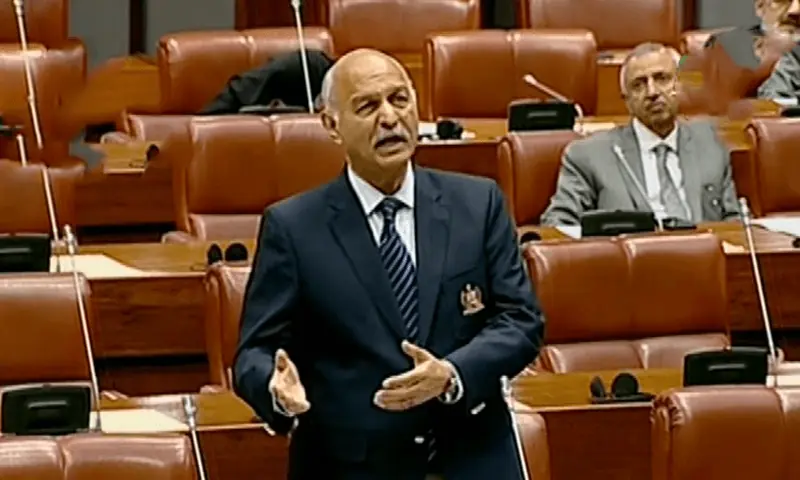

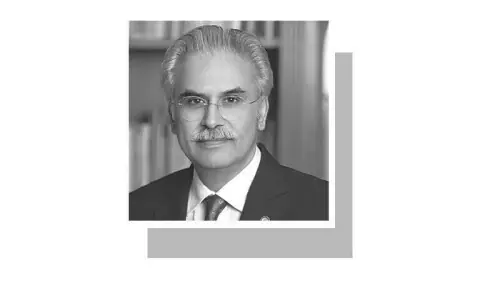
KARACHI: Former Senator Mushahid Hussain Sayed on Sunday said that the miscalculation made by India paved the way for Pakistan and gave the country a new role in the region.
Addressing the last day of a two-day conference titled ‘Living on the Threshold of Global Crises’ organised by the Pakistan Institute of International Affairs (PIIA) at a local hotel here, Mr Sayed stressed the importance of dialogue, diplomacy and international cooperation.
He said that there were three major crises including capitalism, and emergence of new fascism in the world.
He lauded the conference for bringing together scholars, diplomats, researchers and policy experts.
PIIA conference concludes with sessions on nuclear instability, information warfare and narrative control
Sayed observed that the modern world was witnessing unprecedented political and technological changes. “We are living in times of transformation and turbulence where the speed of information spread is extremely high,” he remarked.
Referring to Pakistan’s strategic importance, he said the country’s geographical location had brought it to the centre stage of global diplomacy, particularly in promoting mediation and peace dialogue during regional tensions including the Iran-US war.
“Pakistan’s strategic importance and diplomatic role have enabled the country to contribute positively towards peace and dialogue at the international level,” he added.
Sayed said that Pakistan, as a nuclear power, fully understood the rapidly changing paradigm and would continue to play a constructive role for regional peace and global stability.
“It is important to recognise that the global landscape is changing rapidly and Pakistan will continue playing its role in making a better world for the future,” he added.
On the second day of the conference, various sessions focused on nuclear instability, information warfare, narrative control and challenges arising from emerging technologies.
Speakers including Dr A.H. Nayyar and Dr Ahmed Ijaz Malik spoke on the collapse of arms control frameworks and emerging global policies.
Another session on ‘Information Wars and Narrative Control’ chaired by Zohra Yusuf focused on disinformation, deepfakes and weaponised narratives.
Journalist Zarrar Khuhro discussed regional and global information wars, censorship and the growing impact of propaganda and fake news.
Published in Dawn, May 11th, 2026