Pakistan remains ‘positive’ as Iran mulls peace offer

• FO spokesperson expects agreement ‘sooner rather than later’, hopes for ‘sustainable solution’
• Officials say Tehran expected to share response today as optimism prevails
• Iranian FM speaks to Dar on ‘importance of continuing’ diplomacy; briefs him about China visit
ISLAMABAD: Pakistan and Iran on Thursday agreed on continuing dialogue and diplomacy for ending the war in the Persian Gulf as Islamabad expressed growing optimism that the United States and Iran could soon move towards a peace agreement after weeks of conflict and fragile ceasefire.
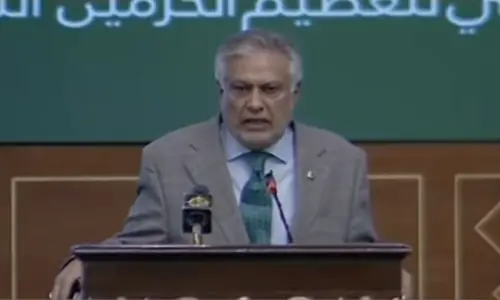
Deputy Prime Minister and Foreign Minister Ishaq Dar spoke with Iranian Foreign Minister Abbas Araghchi amid indications that Washington and Tehran were edging closer to a preliminary understanding on ending hostilities.
According to the Foreign Office, the two foreign ministers “exchanged views on recent regional developments and ongoing diplomatic efforts aimed at promoting peace and stability.”
The Iranian side said the conversation focused on “the importance of continuing the path of dialogue and diplomacy” and expanding “constructive cooperation” among regional states to preserve stability and prevent escalation.
Mr Araghchi also briefed FM Dar on his recent visit to China and consultations there on regional and international issues. Chinese FM Wang Yi, in his first meeting with Mr Araghchi since the start of the war, urged an immediate comprehensive ceasefire and continued diplomacy. The Iranian diplomat thanked Pakistan for facilitating the repatriation of Iranian nationals from the vessel seized by the US and appreciated Islamabad’s diplomatic support.
The latest diplomatic activity came as Iran reviewed a 14-point proposal from the US for formally ending hostilities and opening a 30-day negotiating window for detailed discussions on Iran’s nuclear programme, sanctions relief and secure transit through the Strait of Hormuz.
Diplomatic sources said the proposal had been conveyed to Tehran through Pakistani mediators and Iranian officials were expected to formally communicate their response by May 8 (today), with Washington awaiting Tehran’s position on key points.
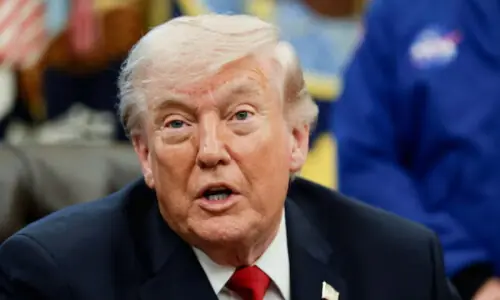
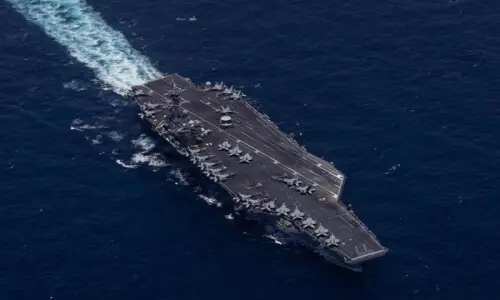
President Trump had announced the suspension of ‘Project Freedom’, the US naval plan to escort commercial ships through the Strait of Hormuz, citing progress in talks and requests from Pakistan and others, while maintaining the broader naval blockade.
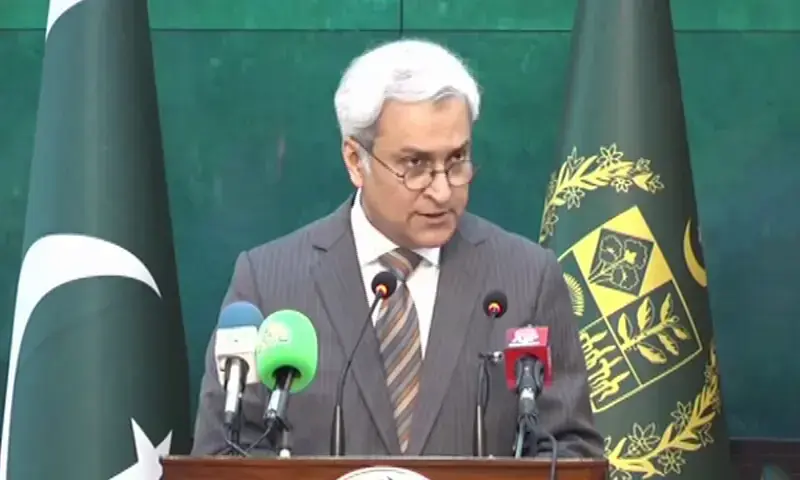
At the weekly media briefing, FO spokesman Tahir Andrabi said Islamabad expected an agreement “sooner rather than later”. “We remain optimistic. A simple answer would be that we expect an agreement sooner rather than later,” he said.
“We hope that the parties will come to a peaceful, sustainable solution and bring peace, not just to our region but internationally as well.”
Without discussing specifics of the negotiations, Mr Andrabi said Pakistan’s focus remained on securing a peaceful settlement rather than debating the causes of the conflict.
“In diplomacy, there is no standard metric system evolved which would say how close or how far we are from a settlement,” he remarked when asked how close the two sides were to reaching an agreement. “What I can tell you is that we remain positive.”
Officials familiar with the talks described the emerging framework as an attempt to convert the fragile ceasefire into a structured political process after nearly 10 weeks of confrontation that disrupted regional stability and global energy markets.
Pakistan has remained central to the diplomatic channel since hosting the first direct US-Iran engagement in Islamabad last month. Although that round ended without agreement, it established a continuing backchannel that Islamabad has since tried to preserve through sustained contacts with both sides and regional powers, including China, Saudi Arabia and Turkiye.
Diplomats said the current effort reflected a broader recognition among all parties that neither prolonged confrontation nor indefinite blockade conditions were sustainable, even though distrust between Washington and Tehran remained deep.
Published in Dawn, May 8th, 2026