Benazir programme cuts child stunting rates: study
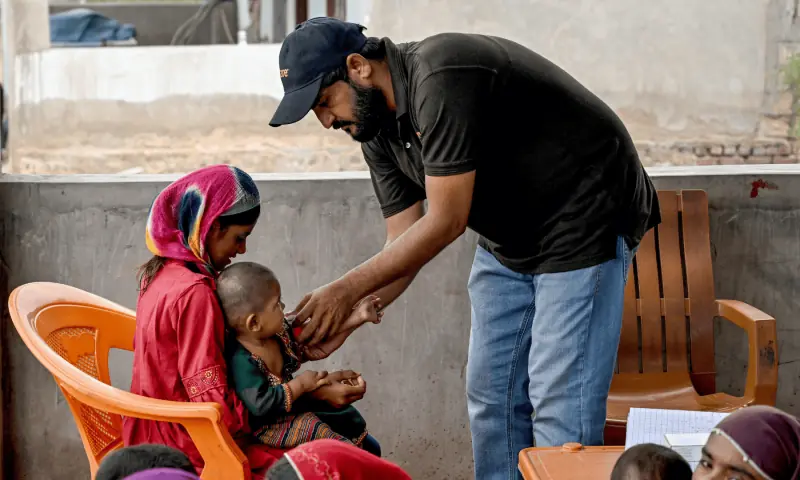

ISLAMABAD: Pakistan has recorded a major decline in child stunting under the Benazir Nashonuma Programme (BNP), along with improvements in maternal and newborn health outcomes.
An evaluation conducted by the Aga Khan University (AKU) revealed that stunting rates among beneficiary children were 22 per cent lower at six months of age and 18pc lower at one year of age.
The study also reported a 6pc reduction in low birth weight cases, an 11pc decline in premature births, and a 7pc decrease in weak and vulnerable newborns.
The findings were unveiled by the AKU during a session on the Endline Impact Evaluation of the BNP held at the BISP headquarters here on Thursday.
Speaking at the event, federal Minister for Poverty Alleviation and Social Safety Syed Imran Ahmed Shah termed the results a major achievement for Pakistan’s social protection sector.
He said the evaluation demonstrated that targeted nutrition and maternal health interventions could significantly improve child health outcomes and reduce stunting in vulnerable communities.
BISP Chairperson Senator Rubina Khalid said the BNP held special significance because healthy mothers and children were essential for building a strong and prosperous nation.
She stated that the programme had reached over 4.5 million women and children across 157 districts through a nationwide network of 578 facilitation centres and 169 stabilisation centres.
She said every improvement highlighted by the study reflected a mother receiving better support and a child getting a healthier start to life.
She added that the BISP was integrating social protection with nutrition and health interventions to promote long-term human development and improve the well-being of vulnerable families.
Published in Dawn, May 8th, 2026