Doctors Without Borders says Israel has 'manufactured malnutrition crisis' in Gaza


Doctors Without Borders on Thursday accused Israel of having deliberately restricted food and aid in Gaza, creating a “manufactured malnutrition crisis” with particularly devastating impacts on infants and pregnant and breastfeeding women.
The report also examined the harm done by the US- and Israeli-backed private organisation set up last year to largely replace UN distribution of aid in Gaza.
The medical charity, known by its French acronym MSF, based its case on an analysis of the situation between late 2024 and early 2026 at four health facilities it supports in the Gaza Strip.
That analysis showed significantly higher levels of prematurity and mortality among infants born to malnourished mothers, and spikes in miscarriages, it said.
MSF linked these outcomes with Israel’s blockade of essential goods and attacks on civilian infrastructure, including medical facilities.
“Insecurity, displacement, restrictions on aid, and limited access to food and medical care have had devastating consequences for maternal and newborn health,” the charity said in a statement.
The situation remained “extremely fragile”, despite a ceasefire in place since last October after two years of devastating conflict, it warned.
MSF called on the Israeli authorities to allow the unhindered entry of assistance and supplies into Gaza immediately.
“The malnutrition crisis is entirely manufactured,” Merce Rocaspana, MSF’s medical referent for emergencies, said in the statement.
Before the war in the Palestinian territory erupted, “malnutrition in Gaza was almost non-existent”, she said.
Malnourished women giving birth
MSF said it had collected data from more than 200 mothers and newborns receiving treatment in neonatal intensive care units at hospitals in Khan Yunis and Gaza City between last June and January.
Its analysis found that more than half of the women were affected by malnutrition at some point during their pregnancy. A quarter of them were still malnourished during delivery.
The impact was clear: 90 per cent of the babies born to malnourished mothers were born prematurely and 84pc had low birth weight, the analysis found.
“Neonatal mortality was twice as high among infants born to mothers affected by malnutrition compared with those born to mothers without malnutrition,” MSF said.
The medical charity also examined data from 513 infants under six months of age admitted to outpatient therapeutic feeding programmes in Khan Yunis between October 2024 and December 2025.
Of them, “91pc were at risk of poor growth and development”, it said.
By last December, 200 of the infants were no longer in the programme, but fewer than half had been cured, it found. Seven per cent of them had died, it added.
‘Militarised and deadly’
Infants are not the only ones going hungry.
Between January 2024, when the first cases of child malnutrition were reported in Gaza, and February 2026, MSF said it had admitted 4,176 children under 15 years old — 97pc of them younger than five — for acute malnutrition programmes.
During the same period, 3,336 pregnant and breastfeeding women were enrolled in ambulatory programmes, it said.
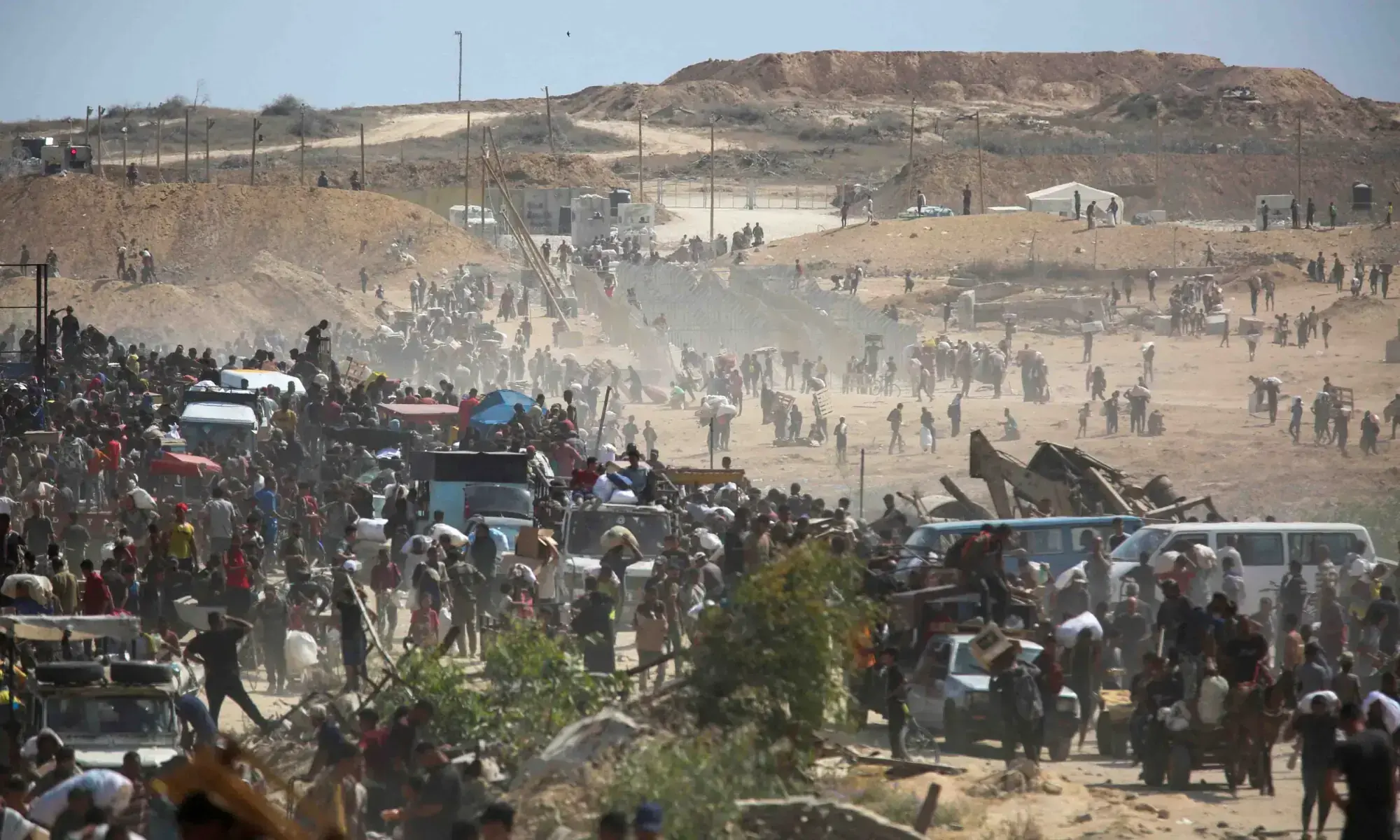
Thursday’s analysis also highlighted the impact of the Gaza Humanitarian Foundation — a US- and Israeli-backed private organisation set up last year to largely replace UN distribution of aid in Gaza.
MSF pointed out that by late May 2025, food distribution points in Gaza had dropped from around 400 to four under GHF, which disbanded last November.
The food distribution points were “militarised and deadly”, warned Jose Mas, head of the MSF emergency unit.
During the period GHF was functioning, MSF said that facilities it supported in Gaza had seen “a sharp increase in patients seeking care due to violence perpetrated at food distribution points and malnutrition linked to deprivation of food”.
MSF teams had also observed a high number of miscarriages during this period, it said.