TRIBUTE: THE MAN WHO TAUGHT OTHERS TO SEE


 0
0
At the Loreto House church in Calcutta’s Middleton Row, the body of Mother Teresa was kept inside a glass coffin. Her passing away was international news and photographers and correspondents from around the world had flocked to the church.
Back then, I was a young photojournalist working for a national newspaper and, much like many others from my profession, was present there too. Then-prime minister Deve Gowda was supposed to visit and pay his condolences when a fight broke out between the security, special branch and the photographers, over the space allocated to photojournalists from where pictures could be taken.
I, being a junior person, kept quiet and was watching the scenes. Just then, I looked back and saw that a tall, well-built man over six feet, with multiple cameras hanging from his neck and shoulder, was quietly taking pictures and not getting involved in the quarrel. I thought to join him and, after a while, he smiled at me and pulled me to a position from where I could see a more newsworthy frame.
Minutes later, before I could introduce myself, he stretched his hand to shake mine and said, “I am Raghu Rai.” I responded but was in awe for a while. Yes, I knew him by face, as I had seen his pictures and interviews in magazines earlier, but the fact that this same man would humbly come and introduce himself to me, a young photojournalist, was a shock for a moment.
Photojournalist Raghu Rai, who has died aged 83, did not just photograph India. He helped a generation of readers, editors and photographers understand what looking — really looking — meant. A young photographer who learned his craft in Raghu’s shadow pays tribute…
He exchanged his coordinates and I was happy to know the photojournalist who, by then, had already attained celebrity status. Months before that, I had read a story about his works in a Sunday Telegraph magazine. It was inspirational for a budding photojournalist. His works were what we grew up seeing.
He took me to the Oberoi Grand and, while we were walking that 10-minutes distance, I noticed he stopped at least a hundred times and took pictures of ordinary city-dwellers. After reaching the Grand hotel, while sipping tea, we discussed photography and how it impacts society. That was the day I came to know him, and our journey to interact with photography began that day.
Raghu, who passed away on April 26 at the age of 83 after a prolonged illness, lived in New Delhi, the city where he grew up and worked. He was a Partition victim who made his life documenting the political and social landscape of India for more than six decades. Sir, as I used to call him and later Raghu Ji, would see my photos and never hesitate to make strong remarks, and tell me to observe and spend more time on the subject.
His arguments on how to work on issues and convert photos to an essay made me understand the concept of a photo essay. His elder brother S. Paul was the maestro who taught Raghu the tricks of photography. Raghu, by then an engineer with the Indian army who had taken part in the operation to overthrow the Portuguese from Goa, suddenly grew interested in photography after seeing Paul. Raghu left his job in the army to take up photography as a full-time profession and joined The Statesman, from where he first made his mark. At India Today magazine, he etched the style of photo essays which became a set style for generations to come.
One fine winter evening, my mother picked up the landline phone at our house. From the other side, someone speaking in English and Hindi asked for me. I was busy editing some images when mum summoned me. When I picked up the receiver, from the other side a voice said, “Hello, I am Raghu Rai, how are you, Shome?” I was flummoxed, stammered and said, “Yes, yes sir…” He responded, “I have seen your pictures. In the future, why don’t you try in places like Delhi?”
As my journey began in Delhi, his home beside Khan Market became my pitstop. Spending time in his dark room, coming between my assignments and showing to him my latest work became a regular ritual. In both Kolkata and Delhi, he would take me along for strolls and, as we walked around, I observed him on how he worked. Be it the seagulls on the Yamuna on an early January cold morning in Delhi or watching Raghu click photos of lashing rains in Kolkata’s Chitpur, these moments remain etched in my memory.
Raghu had good taste in furniture, home decorations and art. Once, I remember, he called me and said, “Shome, if you are in Calcutta, please help me in getting some furniture transported to Delhi?” I was in Calcutta for an assignment and said yes. He passed me an address of some dealer in Alipore and what I found after going there was a dumping yard of old furniture. After the transportation was done, I asked him over lunch about the furniture.
He smiled and said, “Come after six months and see it yourself.” And yes, the furniture was indeed transformed by him, and the way it was shown and arranged reflected Raghu’s taste towards finer things.
When the world carried heavy camera equipment, he advised me to go with one camera and one lens. He always said, go light and observe, and get close to the subject and that’s when you can capture the essence. He believed in being close, very close, to the subject while not being intimidating, and capturing the moment. It is where I got my training to understand the subject and unravelling different ideas.
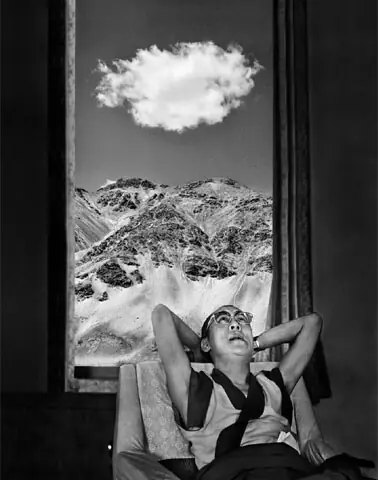
Raghu loved eating good food. I once got some brain curry and naan packed and went to his place for lunch. We savoured the meal and the next day he summoned me to get the same again.
Raghu always said one thing, “Never go around looking for a guru [master], it dwells inside you. Nurture it, find it out yourself and you are done.”
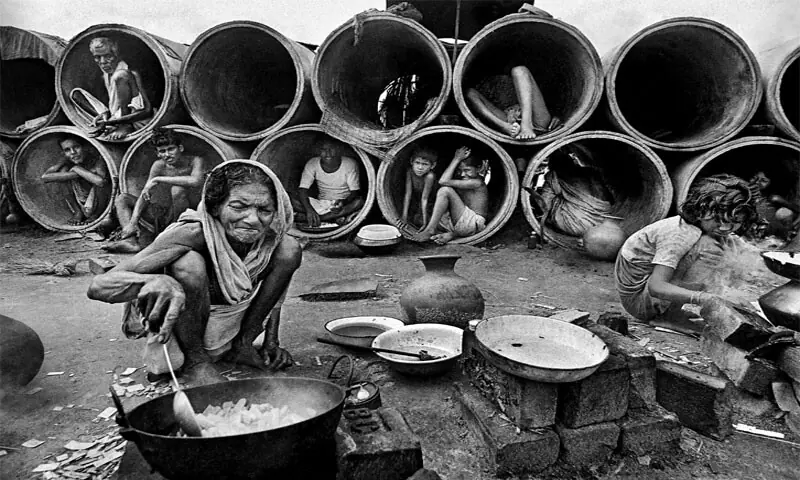
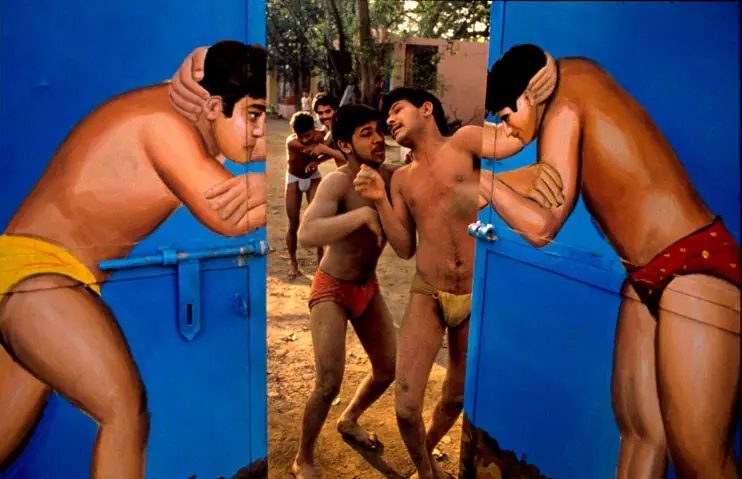
What always thrilled me was his choice of subjects. He never ran behind daily news. He once said, “Daily news die daily deaths… but continue to document the world we live in… that matters.” So, if one observes closely, Raghu’s work was intimate and hovered around the daily lives of people and the settings were ordinary, sometimes mundane, but the images always gave a message and that’s where he stood out from others.
Some years ago, in 2013, the French government held a photo exhibition in Delhi city, an open exhibition at Connaught Place, on the ideas of how Indians perceive France and how the French perceived India. It was called Fête de la Photo. I had an opportunity to showcase a joint exhibition of Raghu and me both showing Paris from our viewpoints.
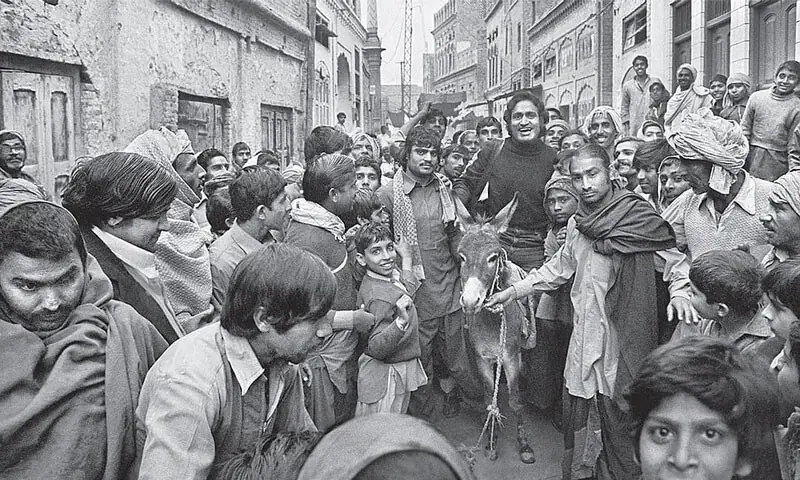
In Calcutta, over biryani at Aminia, he would pick up his camera and chronicle what people ate and how they behaved. He always said, “Food, good life etc will remain, but subjects will vanish. Unlike painters and musicians, we have no freedom to change our subject, image or that moment… either you are there or you miss it, it is simple. Be always alert and that is what makes a photojournalist.”
His child-like behaviour with the camera was something photojournalists should learn from, he never got tired and never gave up; even age did not bring him down.
During one of the assignments, I remember it was monsoon and Raghu had a fever. We were together in the field when he asked for a Crocin [Paracetamol]. I had Calpol and I handed it over to him. After a while I told him, if you are unwell, can we head for the hotel. He smiled and said, “Yes, we can, but I will miss this lovely rain.” Such a romantic was he towards nature, while looking for his images, even when he was running a fever.
“Good things will remain, your pictures will remain, you or I won’t live, what will be left will educate the generations to come… So, Shome, document the world, your country, and leave a mark,” he told me long ago, when we were in his darkroom printing a photograph on an Ilford emulsion paper. Then he said, “Life’s like a darkroom, lovely things emerge from darkness.”
His photographs will remain as a testimony of time, holding together and describing the history and social landscape of the country he loved. Today, I too have settled in the same city, where he once called me. With his suggestions, I try to walk the path of photojournalism but, of course, with my own independent ideas. Salute you, Sir.
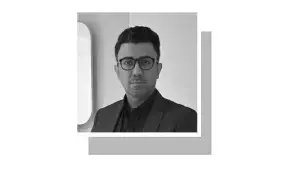
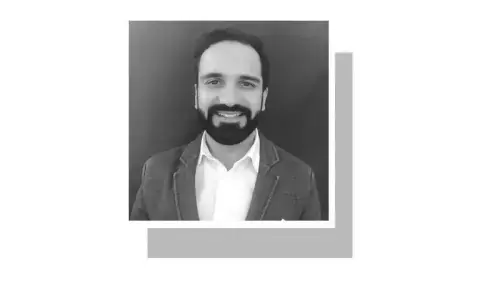
The writer is an independent professional photographer based in New Delhi, with a particular focus on the Kashmir insurgency and Maoist movements.
Republished from The Wire
Published in Dawn, EOS, May 3rd, 2026