Punjab Environmental Protection Agency campaign against plastic intensified
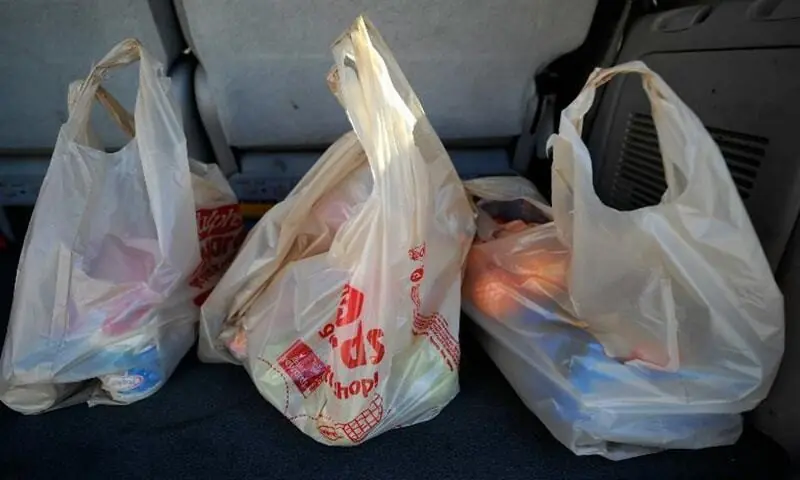

LAHORE: Ahead of World Environment Day 2026 (June 5) , the Punjab Environmental Protection Agency (EPA) has accelerated efforts to establish plastic-free zones in major city markets, announcing that plastic bags below 75 microns will be completely banned in the coming weeks as a part of a province-wide crackdown on plastic pollution.
According to official data, the EPA’s enforcement drive in 2026 has already shown a sharp escalation in action. From Jan 1 to April 27, the agency conducted 3,612 inspections, confiscating 937,868kg of plastic bags, issuing 189 notices, imposing fines of Rs3m, sealing 26 premises and registering 7 FIRs.
When compared with the full-year campaign of 2025, the intensity of enforcement appears more targeted yet significantly higher in volume of seizures. During 2025, the EPA carried out 113,153 inspections across 39 districts, confiscating 419,033kg of plastic bags along with 3,410kg of other plastic waste, issuing 7,942 notices and imposing penalties exceeding Rs8.14m. A total of 181 FIRs were registered, 374 premises sealed, and 145 complaints filed before environmental magistrates.
The comparison highlights a striking trend: within less than four months of 2026, the volume of plastic bags confiscated has more than doubled the total recovered during the entire year of 2025, indicating intensified field operations and stricter compliance monitoring. However, the number of inspections remains lower, suggesting a shift towards intelligence-based and targeted enforcement against major violators.
Ban likely on certain plastic bags
District-wise data for 2026 shows that Multan-led enforcement in terms of seizures with 17,989kg of plastic bags confiscated, followed by Rawalpindi with 10,848kg. Lahore recorded 1,809kg of confiscated plastic alongside the highest penalties of Rs816,000 among major districts.
Other districts including Gujranwala, Faisalabad, Bahawalpur and Sheikhupura also contributed to enforcement through inspections, fines and seizures.
In contrast, 2025 figures showed Lahore as the leading district with 83,661kg of plastic confiscated and over Rs2.4m in penalties, followed by Multan with 60,153kg and Rawalpindi with 37,563kg. Districts such as Sheikhupura and Bahawalnagar also reported substantial enforcement activity.
EPA Punjab Director General Imran Hamid Sheikh said the department had shifted towards stricter, zero-tolerance enforcement, focusing on repeat violators and supply chains of illegal plastic bags. He noted that field teams were being directed to ensure immediate sealing of premises and registration of FIRs in serious violations, adding that enforcement was no longer limited to warnings but aimed at creating deterrence.
“Our priority is visible compliance in markets. The EPF crackdowns are being conducted daily, and no leniency will be shown to manufacturers or sellers of banned plastic,” he said, emphasising that sustained enforcement would remain the cornerstone of the campaign.
Punjab Environment Protection & Climate Change Department Secretary Silwat Saeed said the government was pursuing a multi-pronged strategy combining enforcement with behavioural change and market transformation. She highlighted that the upcoming ban on sub-75 micron plastic bags would be strictly implemented across urban commercial centres, with designated plastic-free zones serving as model areas.
“The objective is not only enforcement but a structural shift towards sustainable alternatives. We are engaging manufacturers, traders and local administrations to ensure availability of compliant substitutes while raising public awareness about the environmental and health impacts of plastic pollution.”
She added that collaboration with district authorities and continuous monitoring would be key to achieving long-term compliance.
Officials believe that while enforcement has intensified, the persistence of plastic usage in peri-urban and rural areas remains a challenge. However, with stricter regulations, targeted crackdowns and the upcoming ban, EPA Punjab expects a significant reduction in plastic waste generation in the coming months.
The agency maintains that the current campaign marks a decisive phase in Punjab’s environmental governance, with authorities aiming to translate enforcement gains into lasting behavioural change and a cleaner urban environment.
Published in Dawn, April 29th, 2026