There’s a word I keep coming back to: gameness.
It doesn’t sit comfortably in modern parlance, except in a few circles — the pigeon flyers, the dogmen, the horsemen, the old warriors who understand what it means to go past the point of pain and tap into something ancient and immovable.
Gameness isn’t bravery. It’s not aggression. It isn’t strength. It’s a spiritual refusal to quit.
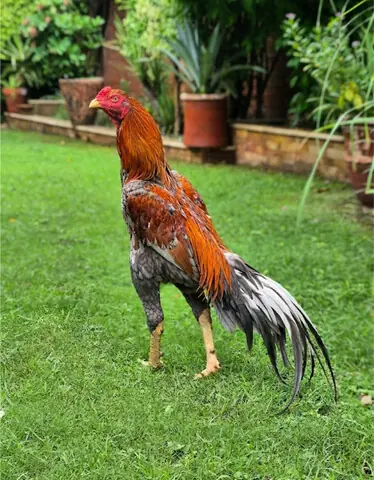
The word itself comes from the gamecock — the fighting rooster that won’t back down even when mortally wounded. I’ve seen the same in birds, in dogs, in horses. I’ve also seen it in people. And it obsesses us because it’s rare — and because it shows us the very best and worast of what we are.
We breed it into birds, dogs and horses. We honour it in soldiers, mountaineers and mothers. This trait has a name and understanding it might tell us something uncomfortable about ourselves
Take the racing pigeon. Not the fat, soft city bird, scrounging chips outside a takeaway. I’m talking about bred, tested, purpose-built flying machines — birds that cross 500 kilometres of burning sky, predator-ridden winds, and sheer exhaustion, just to get home.
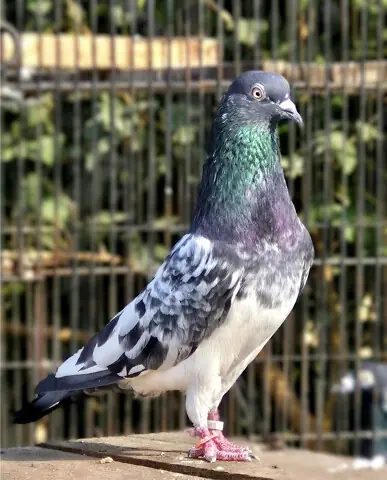
Thirteen hours in the air. No food, no water, no rest. Just wings and instinct and that wire inside them that refuses to snap. Why do we race them? Why do we clock them, cheer for them, name them like warriors? Because deep down, we know this is never really about the birds. It’s about us — our craving for that purity of purpose, projected on to creatures that don’t have the language to doubt themselves.
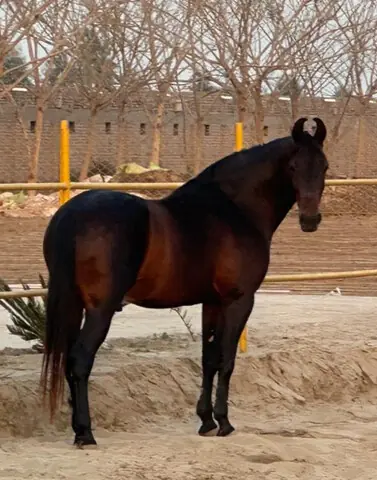
Horses are much the same. Look at the war stallions of history — ridden into battle while spears split the air and cannonballs tore the ground apart. They didn’t hesitate. They charged. Even today, in races like the Grand National or the Mongol Derby, we watch them push their lungs to the limit before they let the spirit follow. How much of it is training, and how much is simply the animal’s heart refusing to yield?
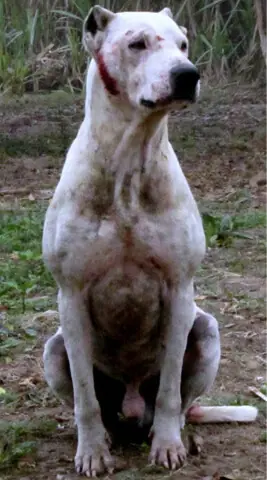
Dogs are the most heartbreaking example. In warzones, on lonely farms, in dark alleys — they have fought and died for us. Guard dogs have thrown themselves between their people and death, taking the bullet without flinching. The fighting breeds, controversial as they are, were bred for one thing: to keep going when everything — logic, biology, mercy — says stop. Say what you will, but there is a terrible beauty in that.
I won’t romanticise cruelty. I’ve seen what men do to animals under the banner of tradition, pride and money. There is a line where gameness ends and exploitation begins. But to deny this quality exists — this refusal to give in — is to deny something true about life itself.
What fascinates me is that humans have spent generations selecting for gameness. We breed it. We test it. We honour it. A pigeon that finds her way home two days late, battered by a storm? We breed her. A dog that held its ground when outmatched? We remember him. A horse that finished a race on three legs? A statue goes up.
Even those of us who would never attend a pit or a ring understand, in our bones, why a soldier throws himself on a grenade. It’s the same wire — and the same awe. Because humans have gameness too.
It’s what makes a firefighter run into a collapsing building when every instinct screams the other way. It’s what drives a soldier to carry a wounded brother on his back for miles, losing blood with every step. It’s what keeps a mother awake for nights beside a dying child.
It’s what made boxer Muhammad Ali get back up, round after round, when anyone else would have stayed down. It’s what keeps a lone mountaineer moving through the bottleneck of K2 when the oxygen runs out and the frost has claimed two fingers. It’s what made rock climber Alex Honnold free solo The Moonlight Buttress rock wall, hundreds of metres above the desert floor, armed with nothing but chalk and nerve.
Gameness isn’t always loud. Sometimes it’s just quiet defiance. A man who won’t leave his land. A prisoner who sings through the torture. A writer who keeps telling the truth when the world has stopped listening.
We don’t merely recognise gameness — we worship it. We write epics about it. We give medals and state funerals. We name streets after it. From Achilles to Bhagat Singh, from Aziz Bhatti to Lalik Jan, our myths and histories are stitched from the blood and grit of people who wouldn’t quit. We collect these stories because they confirm something we need to believe: that the human spirit is not for sale.
I think about this when I watch my birds come back — sometimes broken, sometimes limping — but always with that same look. The one that says: I didn’t stop. We breed for gameness in animals because, on some level, we are trying to breed it back into ourselves.
Our modern lives are soft. We no longer face tigers at the mouth of a cave. We don’t ride into wars with swords drawn. But the hunger for purpose — for proof that we can still go beyond pain — never left. It just has nowhere obvious to go.
Some call it cruelty. Some call it madness. I call it a mirror.
So, here’s to the animals that fly, fight, run and die — not because they must, but because something in them will not stop. And here’s to the people who still recognise that spark.
In the end, gameness isn’t about winning. It’s about not quitting.
The writer is an essayist concerned with power, politics and culture.
He can be contacted at suhaib.ayaz@gmail.com
Published in Dawn, EOS, April 26th, 2026