0
0

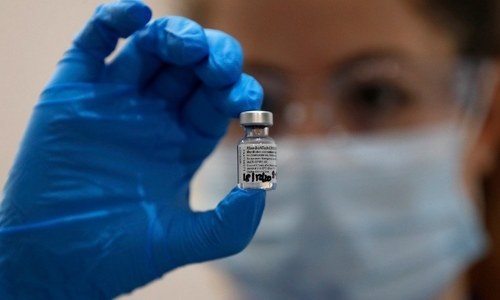
ISLAMABAD: As World Immunisation Week is set to begin this week, Pakistan has protected over 160 million children and 130 million mothers with life-saving vaccines over the past five decades since the founding of Pakistan’s Expanded Programme on Immunisation (EPI) in 1978, in collaboration with the World Health Organisation (WHO) and its partners.
“Pakistan eradicated smallpox in 1976 and paved the way for the launch of an immunisation programme that has since averted 2.6 million child deaths from vaccine-preventable diseases, proving that, for every generation, vaccines work and save lives,” WHO said in a statement issued in connection with Immunisation Week.
“Since 1994, powered by the medical science behind vaccines, Pakistan has reduced paralytic polio cases by 99.8 per cent,” it stated.
Pakistan also obtained WHO certification for the elimination of maternal and neonatal tetanus (MNTE) in Punjab, Sindh, Pakistan-administered Kashmir (PAK), Islamabad Capital Territory (ICT) and Gilgit-Baltistan, ensuring that approximately 80 per cent of the country’s population now lives in areas where neonatal tetanus no longer poses a public health threat, with fewer than one case per 1,000 live births,” WHO said.
WHO has estimated that Pakistan’s EPI averts up to 17per cent of all childhood mortality, making immunisation the most cost-effective single public health intervention available in the country.
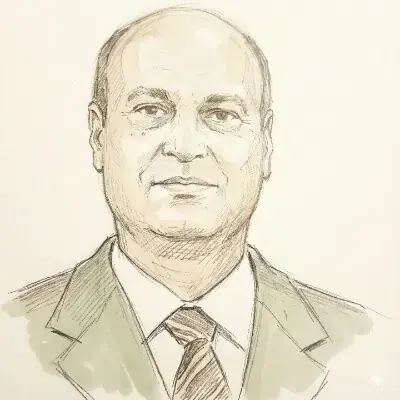
WHO Representative in Pakistan Dr Luo Dapeng extended the organisation’s gratitude to hundreds of thousands of frontline health workers, scientists, authorities and partners who have translated the medical science behind vaccines into action to save lives.
“WHO is thankful to all those who have worked and are still working every day to protect millions of children with vaccines. The scientific evidence is clear: vaccines save lives and protect our children from deadly diseases,” he said.
The science behind WHO-prequalified vaccines is robust, rigorously tested and unambiguous, and it is this evidence that must guide our decisions, not fear or misinformation, he said.
“WHO is proud to stand with Pakistan, the Federal Directorate of Immunisation and the Polio Eradication Initiative to support more than 15,000 routine vaccinators on the ground, and over 400,000 polio vaccinators, to protect every child and every mother, regardless of social or economic status, no matter where they live or who they are.”
In addition to saving lives, routine immunisation and preventive campaigns have prevented tens of millions of episodes of illness, disability and hospitalisation over the past 48 years.
“Every child protected from measles, polio, pneumonia or diarrhoeal diseases means fewer families pushed into catastrophic health expenditure, fewer school days lost and a lighter burden on an already stretched health system.” WHO estimates that, for every death averted through vaccination, an average of 66 years of full health are gained. This indicates that, beyond survival, vaccines are offering a better quality of life for millions.
Published in Dawn, April 23rd, 2026