Pakistan considering buying LNG on spot market to offset supply disruptions caused by Iran war: petroleum minister
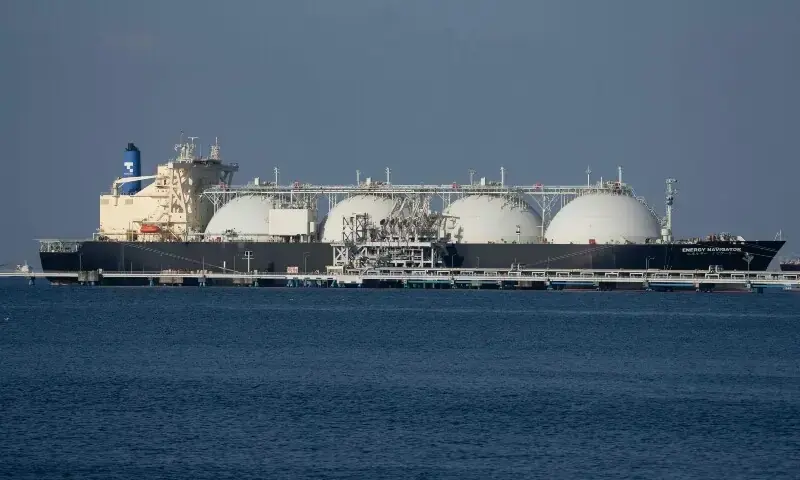
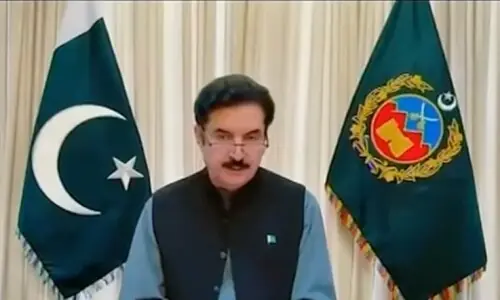
Pakistan is considering buying liquefied natural gas (LNG) on the spot market to offset supply disruptions caused by the Iran war, but would favour government-to-government deals to avoid having to pay steep premiums, Petroleum Minister Ali Pervaiz Malik has told Reuters.
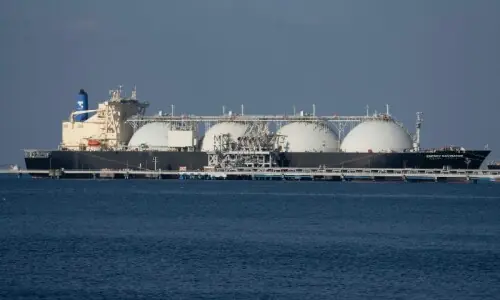
Qatar’s force majeure forced Pakistan to make costly spot purchases or find alternative fuels ahead of summer demand.
Spot LNG cargoes have surged to $20 to $30 per mmBtu amid the Middle East conflict, Malik says, adding that purchases would depend on whether prices are acceptable to the power sector, including under existing government-to-government arrangements with Azerbaijan’s Socar.
Pakistan has also been routing some crude supplies via Saudi Arabia’s Red Sea port of Yanbu to bypass the Strait of Hormuz, with Malik saying insurance costs on that route were lower than routes crossing or near Hormuz.
Pakistan imports nearly all of its oil, much of it via the Strait of Hormuz, and remains exposed to supply shocks despite cutting its LNG reliance in recent years, as gas is still needed to meet the country’s peak summer power demand.
It has begun commercial output from its highest-ever producing oil and gas well, as it shores up domestic supply.
“We have arrangements in place to meet domestic and industrial requirements,” Malik said, adding that gas disruptions have not led to major curbs, with eight of 10 fertiliser plants operating.
Officials are also considering the use of costlier fuels such as furnace oil to limit load shedding, although at the expense of higher tariffs. Malik warned that prolonged shortages could threaten food security.
The Baragzai X-01 well in Khyber Pakhtunkhwa is producing about 15,000 barrels of oil per day and 45 million cubic feet of gas, with output expected to rise further, the state-run operator Oil and Gas Development Company Ltd (OGDC) said.
The well could reach up to 25,000 barrels per day and 60 million cubic feet per day of gas, making it Pakistan’s highest-producing well, and may contribute around 10 per cent of crude output while cutting the country’s import bill by about $329 million annually, OGDC said.