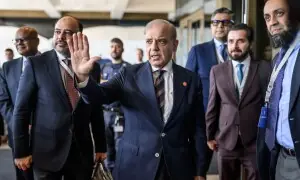
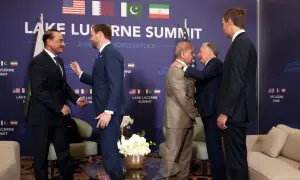
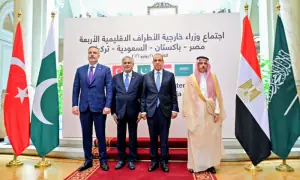
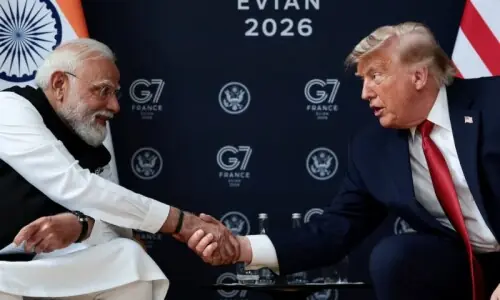
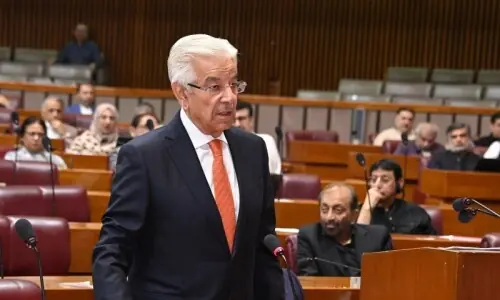
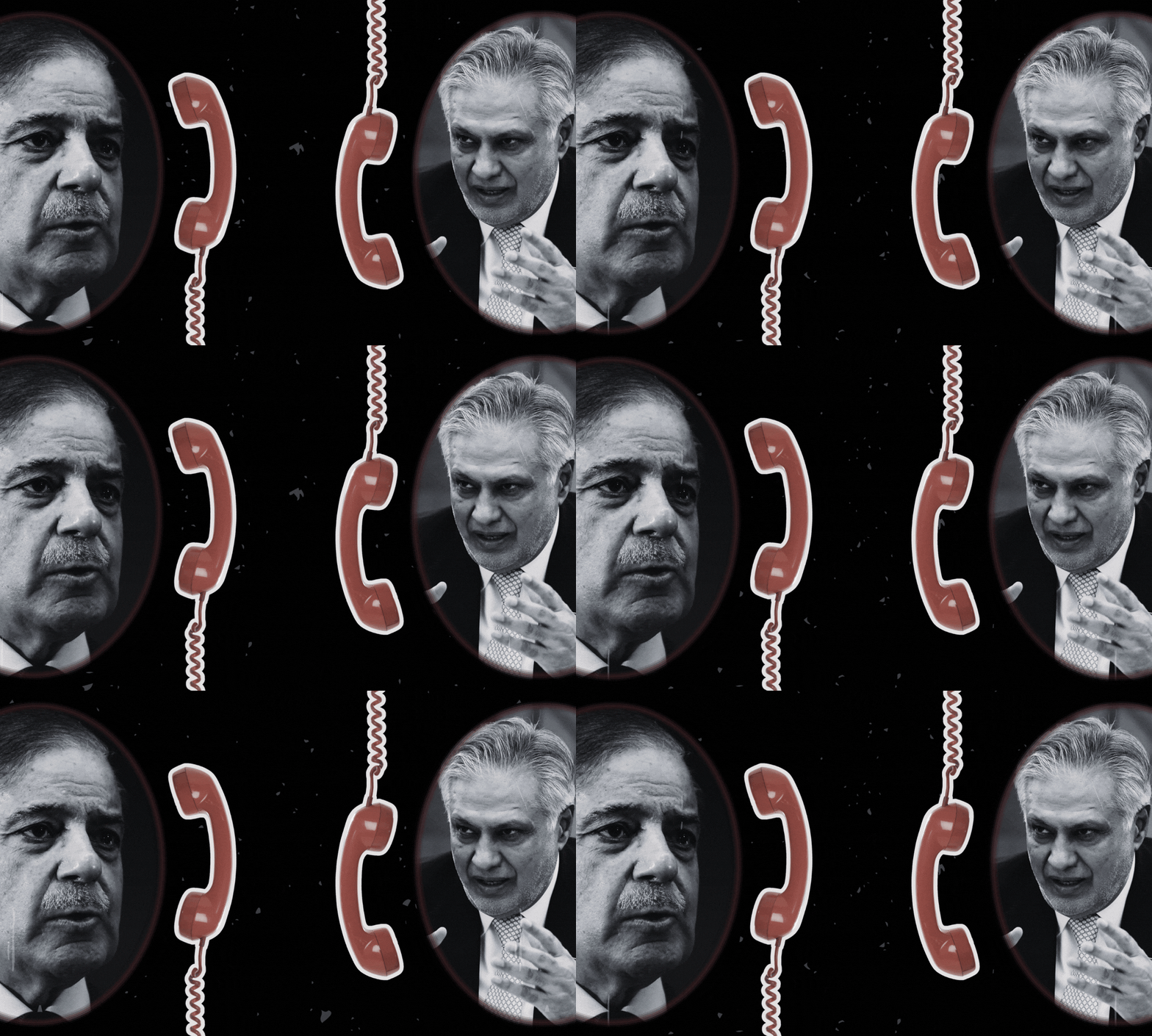
Since the outbreak of the US-Israel war on Iran on February 28, Pakistan’s top civilian leadership has leaned on backchannel and direct telephonic diplomacy, using a steady stream of phone calls to position Islamabad as a bridge between Washington and Tehran.

In the weeks that followed, both Prime Minister Shehbaz Sharif and Deputy PM and Foreign Minister Ishaq Dar expanded that outreach, holding repeated conversations with counterparts in Tehran, Gulf capitals, and key regional players.

To know the timeline of the calls made by Pakistan’s leadership since the conflict began, click here.

Opinion

Trouble at home

Trouble at home

The country’s strength lies in its political and economic stability, not in fleeting moments of diplomatic success.

Editorial

Pezeshkian’s visit
Updated 24 Jun, 2026

Pezeshkian’s visit

Perhaps a good place to start would be the resumption of work on the Iran-Pakistan gas pipeline.
Telecom bill
24 Jun, 2026

Telecom bill

THERE is now no question about it: the Pakistan Telecommunication (Re-organisation) (Amendment) Bill of 2026 is a...
Updating Islamabad
24 Jun, 2026

Updating Islamabad

ISLAMABAD is growing rapidly. Its planning, however, remains stuck in bureaucratic limbo. Despite years of ...
Unsustainable growth
Updated 23 Jun, 2026

Unsustainable growth

CLICHÉS are an essential part of political rhetoric. But when repeated often, they lose their impact. So when...
Banned speeches
23 Jun, 2026

Banned speeches

NATIONAL Assembly Speaker Ayaz Sadiq on Sunday formally lifted long-standing restrictions on the airing of ...
New GB government
23 Jun, 2026

New GB government

WITH the newly elected lawmakers of the Gilgit-Baltistan Assembly taking oath on Monday, the PPP looks set to head...