AJK seminaries directed to install CCTV cameras under new child protection policy

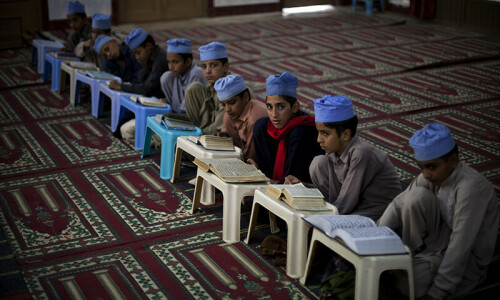
MUZAFFARABAD: The Azad Jammu and Kashmir (AJK) government on Thursday introduced a comprehensive child protection policy for seminaries, making the installation of CCTV cameras, complaint mechanisms, and teacher certification mandatory across the state.
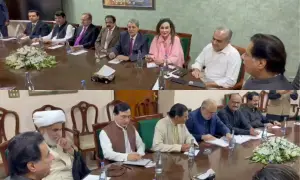
The policy, announced by Minister for Religious Affairs, Auqaf and Information Chaudhry Muhammad Rafique Nayyar, follows directives issued by Prime Minister Faisal Mumtaz Rathore in the wake of growing concerns over child safety in religious institutions.
Under the new framework, all madrassahs have been instructed to install standard CCTV cameras in classrooms, corridors, courtyards, offices and other premises, ensuring continuous operation and preservation of footage for at least 30 days.
The policy also requires each seminary to formulate a written child protection policy outlining students’ rights, a code of conduct for teachers and staff, and clearly defined prohibited behaviour. The document must be displayed prominently, with written acknowledgement obtained from all employees.
To provide a secure channel for reporting abuse, confidential complaint boxes will be placed in all seminaries.
These will be accessible only to authorised district administration officials, who will open them regularly and ensure prompt action on complaints while maintaining the anonymity of complainants.
In addition, surprise medical examinations of students will be conducted by teams constituted under district health officers.
Any suspected case would be reported immediately to the relevant authorities, while affected students would be provided with prompt medical and psychological support.
Mr Nayyar said the government had also made it mandatory for all teachers and Quran instructors to hold recognised teaching certificates from accredited institutions. Their credentials, character, and past records will be verified prior to appointment, and people with questionable backgrounds will be barred from teaching.
The minister said implementation of the policy would be jointly monitored by the district administration, education department and the religious affairs ministry. Seminaries found violating the directives could face legal action, including suspension or cancellation of registration.
Mr Nayyar said the initiative reflected the government’s commitment to ensuring child protection, improving standards of religious education and enhancing transparency in the seminary system, terming it a “significant milestone” towards institutional reform.
The policy came in the wake of the alleged sexual assault and death of a young seminary student in Kotli district on Sunday – an incident that exposed serious gaps in oversight and child protection mechanisms in religious institutions and highlighted the need for effective monitoring frameworks.
Published in Dawn, April 10th, 2026