SARGODHA, June 26: Bakra Mandi near the DHQ Hospital and Basti Esyan are the two major drug supply centers in the city. According to a survey conducted by Dawn, over a dozen dens of drug pushers, mostly in city’s slum areas, are in existence.
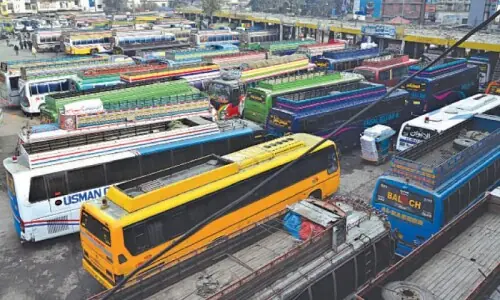
The Bakra Mandi near Niazi Medical Tower on Sargodha-Khushab Road is situated near the Factory Area police station. Mostly truck drivers and conductors are involved in selling drugs to addicts. They have also hired the services of two women. Addicts in large numbers, particularly under the flyover, can be seen injecting drug ampoules to each other by using syringes.
Almost all medical stores around the DHQ Hospital are major suppliers of drug ampoules at higher rates. Surrounded by heaps of filth, some six addicts have taken abode under the bridge.
The place is adjacent to Tehsil Municipal Administration offices and DHQ Hospital and the people avoid passing through these areas due to intolerable stink.
Bakra Mandi is in fact a Sohrab Goth of Sargodha from where the narcotics are supplied to the entire district. Reportedly, the police take `monthly’ from these dens and, therefore, avoid taking any action against their owners.
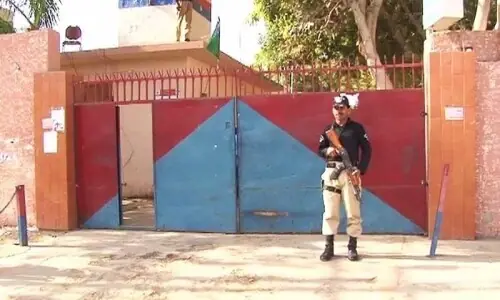
Only a week ago, Factory Area SHO Nawab Dogar raided the area and arrested five-dozen addicts, but no drug pusher was rounded up.
A police officer, requesting anonymity, claimed that the police had to arrest some addicts to show their efficiency while high-ups provided protection to drug pushers. He said an SHO could not take action against the main drug suppliers. The police avoided keeping addicts in custody for investigation, as they could not survive without drugs.
Sometime, he said, police officers provided drugs to addicts to avoid any controversy for most of them tried to commit suicide without a regular dose of drugs.
In Basti Esyan, women were found selling heroin and hashish in small packets without the fear of police. To acquaintances, their code words were `full token’ and `half token’. A full packet was being sold for Rs100 and half packet at Rs50.
Drug vendors were selling these packets while roaming on roads and women were doing the roaring business on carts, on the corner of every street. Even children were also helping their mothers in this ugly trade.
When attempt to take snaps of these addicts was made, drug vendors came in front of them to save them from any possible raid.
It was learnt that drug suppliers kept their `buyers’ in big `havelis’ for providing protection to them against the police raid.
An official said that if the police were given a free hand, and postings and transfers were made on merit, the menace of drug trade could be checked effectively.