Helplines buzz with alerts from seafarers trapped in Middle East war
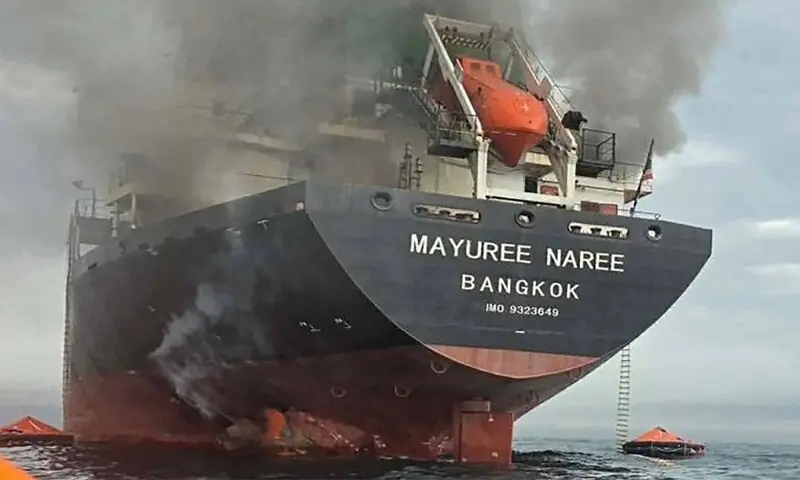


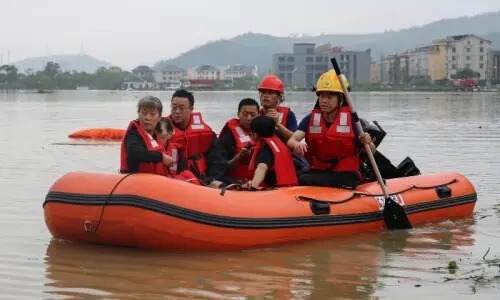
Seafarers’ helplines say they are overwhelmed with messages from crews stuck in the Gulf by the Middle East war, desperately seeking repatriation, compensation and onboard supplies.
“Writing to urgently inform you that our vessel is currently facing a critical situation regarding provisions and one crew health conditions,” read an email from one seafarer on March 24 to the International Transport Workers’ Federation (ITF)’s Seafarer Support team.
“Immediate supply of food, drinking water, basic necessities is required to sustain the crew,” said the message to the team’s helpline.
The ITF said it had received more than 1,000 emails and messages from seafarers stuck around the Strait of Hormuz and the wider region since the war erupted with US-Israeli strikes on Iran on February 28.
Bomb strikes
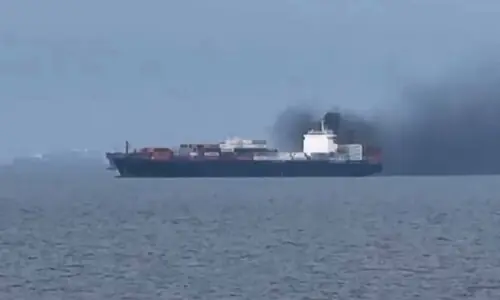
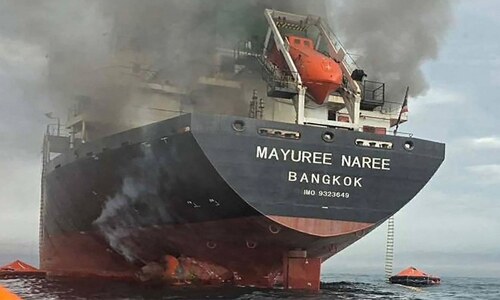
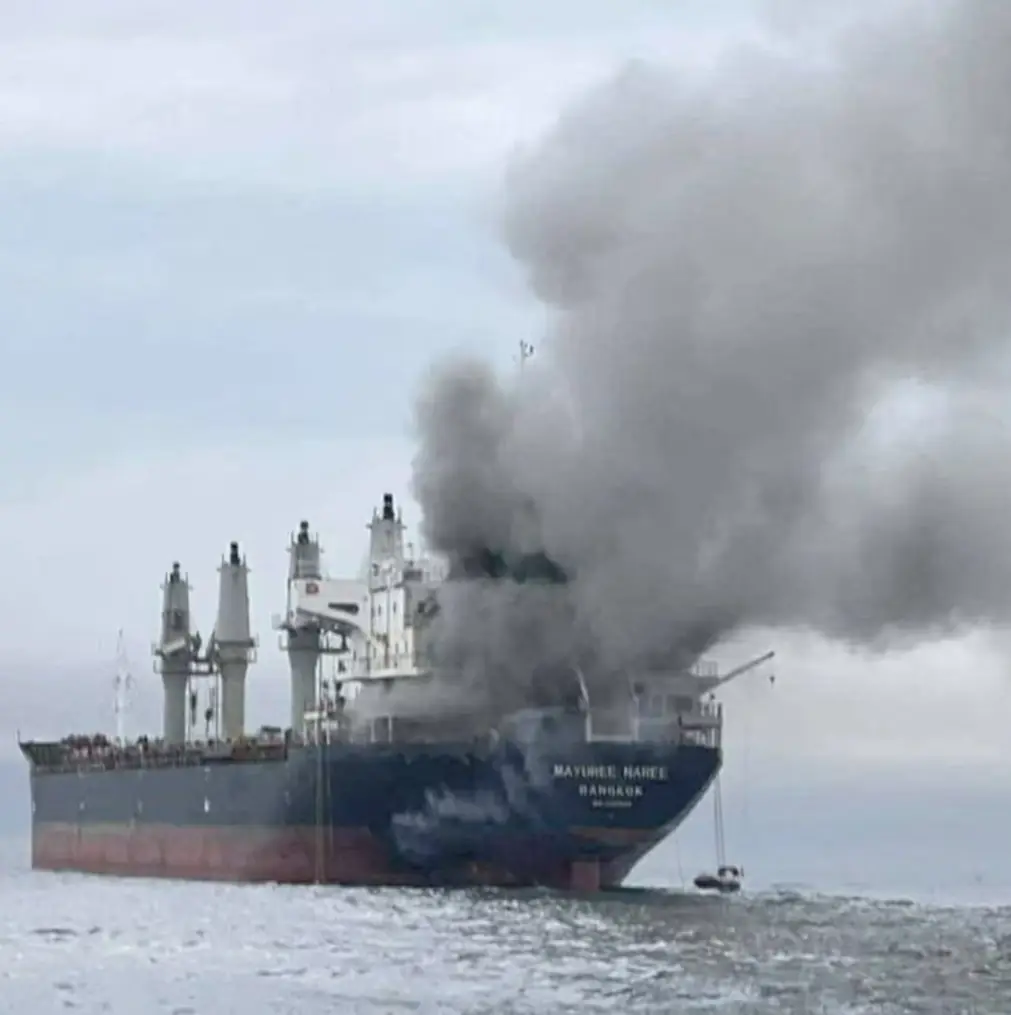
Some sought to clarify what their rights are while navigating a war zone, while others sent videos of bombings striking next to their ship and asked the federation for help to get off board, according to ITF documents seen by AFP.
“It is an extraordinary situation, there is a lot of panic,” Mohamed Arrachedi, ITF’s Network Coordinator for the Arab World and Iran, in charge of handling requests from seafarers in the region, told AFP, describing the situation as “really shocking”.
“I get calls from seafarers at two o’clock, three o’clock in the morning.
They call me the minute they have access to the internet,” Arrachedi said on Wednesday by telephone from Spain.
“One seafarer called in a panic, saying: ‘We are here bombed. We don’t want to die. Please help me, sir. Please get us from here.”
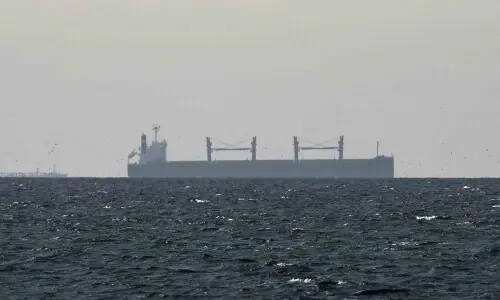
About 20,000 seafarers are currently stuck in the Gulf, according to the UN’s maritime body, known as the IMO, and at least eight seafarers or dock workers have died in incidents in the region since February 28.
All correspondence was shared with AFP on condition of anonymity, as the helpline guarantees confidentiality to seafarers.
War zone rights
The International Bargaining Forum (IBF), a global maritime labour body, has declared the area a war zone.
This normally gives seafarers exceptional rights, including repatriation at the company’s cost and double pay for those working on ships covered by IBF agreements — around 15,000 vessels worldwide, according to the ITF.
Despite this, many seafarers — especially on ships without such labour agreements — are reporting difficulties with getting repatriated.
In one email sent to the ITF on March 18, a seafarer said the ship’s operator was ignoring the crew’s requests to leave, arguing that there were no flights from Iraq and refusing alternative routes.
“They are forcing us to continue to do cargo operations and STS (ship-to-ship operations) even [when] we raise our concerns about our safety, and we are in a war-like area. They are keeping us in a position with no options,” read the email seen by AFP.
The International Seafarers’ Welfare and Assistance Network (ISWAN), another organisation operating a helpline, told AFP on Wednesday that it had seen “a 15-20 per cent increase in calls and messages” since the start of the war, with a third relating to repatriation difficulties.
$16 a day
Another major concern is compensation.
“About 50pc of emails we receive concern pay,” Lucian Craciun, one of five members of ITF’s support team processing requests at the organisation’s headquarters in London, told AFP.
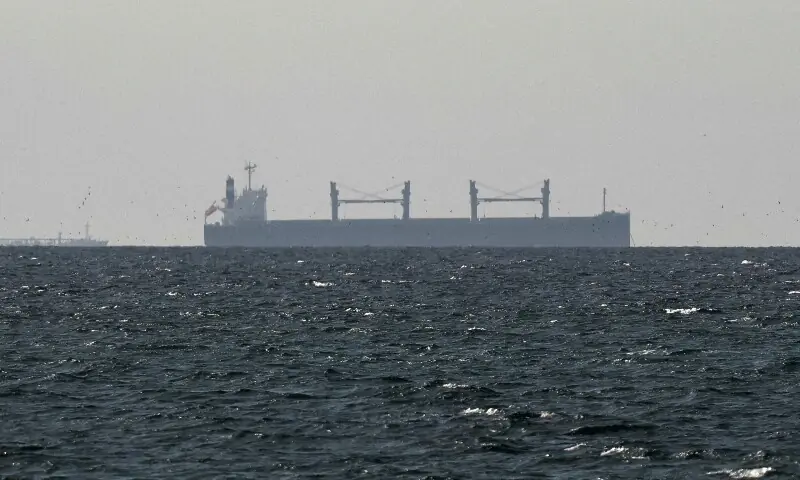
He said many seafarers choose to stay on board despite the dangerous conditions because they cannot afford to leave.
One email seen by AFP came from a seafarer asking to confirm whether his salary would go from $16 a day to $32 because he was in a designated war zone.
The ITF says such low salaries indicate that the shipowners do not have labour agreements in place to ensure decent pay.
Seafarers working under such arrangements are particularly at risk because their contracts often do not cover operations in war zones, and owners tend not to respond to requests from organisations such as the ITF, according to the support team.
When that happens, the ITF reaches out to the flag states and, if that does not work, to the state port authority where the vessel is located.
Arrachedi said that many such cases in the Gulf are still unresolved, with seafarers desperately awaiting responses from operators.