$20m withdrawn from govt bonds in a single day
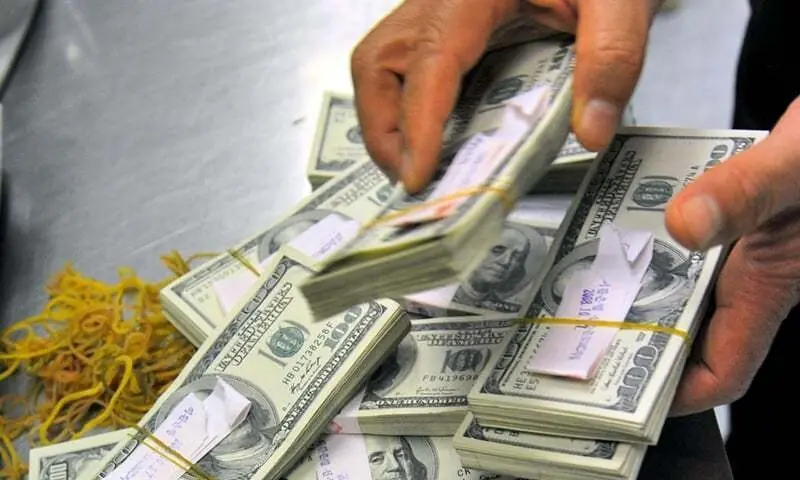
KARACHI: A staggering $20 million evaporated in a single day from domestic bonds after outbreak of hostilities in the Gulf while outflows during the first 13 days of the Iran war matched those seen in 2020 following the Covid shutdown.
The latest data released by the State Bank shows that foreign investors are nervous and ready to leave the region. Although Pakistan is not a party to the conflict, it has suffered its share of setbacks nevertheless.
The data is limited to only the first 13 days of March. It shows that the country witnessed a net outflow of $184.3m during the period. The country lost about $3.5 to $4 billion after the pandemic within a few months in 2020.
So far, the country has remained immune to oil shocks and exchange rate instability, even though the Indian rupee has seen a significant devaluation to Rs94 against the US dollar from Rs88 before the Gulf war.
However, a prolonged conflict could badly damage the economy. The data shows that US investors withdrew $20m from domestic bonds on March 13.
However, the highest outflows during the first 13 days of the war went to the UK as the country withdrew $69.5m. The total inflows during the 13 days were $184.3m and inflows were just $19.3m.
The inflows came from just two countries: $9.2m from the UK and $10m from Bahrain.
On the other hand, withdrawals by Bahrain amounted to $33.7m, the second highest outflow.
Other significant outflows from T-bills during the March 1-13 period were the USA at $27.3m, Singapore $27.5m, UAE $15.4m and Australia $9m.
A group of people arriving from Gulf states said that only rich Pakistanis had left the UAE this month.
Another surprising element is that some Pakistanis are leaving Karachi for Dubai in search of jobs as they believe the jobs left by others were available in the Gulf region. The inflows of remittances have remained steady, meaning that Pakistanis working in the Middle East are not panicking despite a dangerous escalation in the region.
Published in Dawn, March 25th, 2026