Violence over events abroad won’t be tolerated: CDF Munir
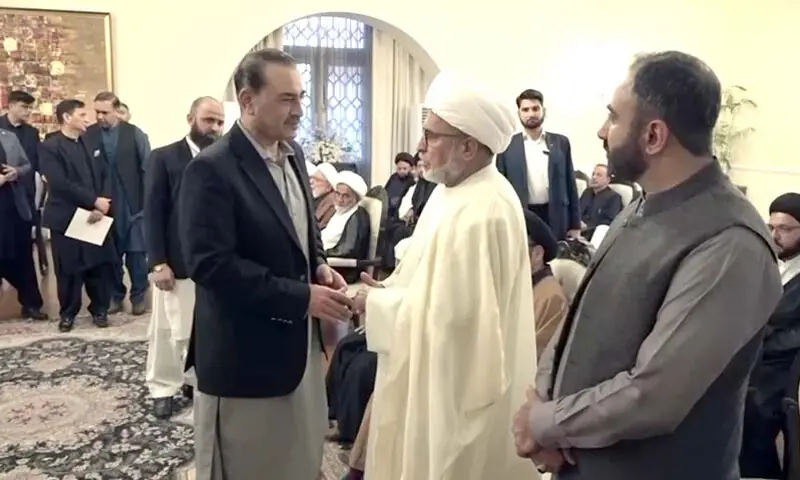


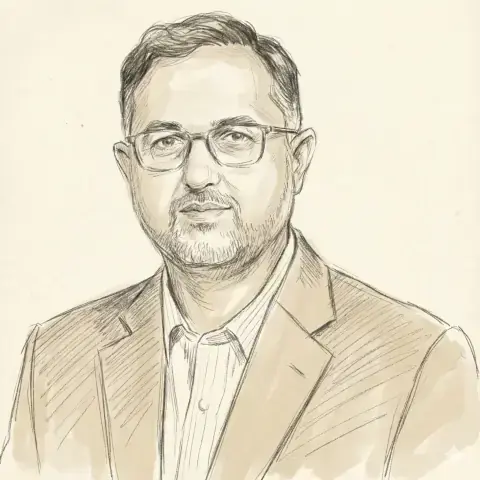
ISLAMABAD: Chief of Army Staff and Chief of Defence Forces Field Marshal Asim Munir warned religious leaders that violence in the country, triggered by events abroad, would not be tolerated, Inter-Services Public Relations (ISPR) said on Thursday.
“Violence in Pakistan, on the basis of incidents occurring in another country, will not be tolerated,” the military’s media wing quoted Field Marshal Munir as saying during a meeting with Shia clerics.
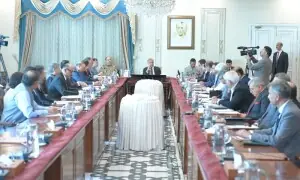
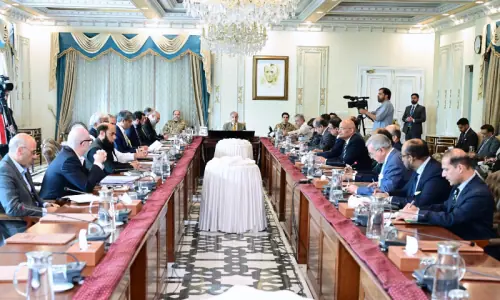
According to ISPR, the army chief interacted with the Shia clergy earlier this week in Rawalpindi, where “matters of national security and the role of ulema in societal harmony came under discussion”.
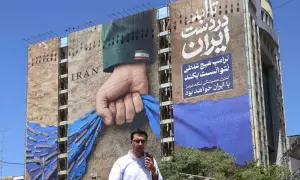
The outreach came as the military seeks to manage the domestic environment amid the US-Israeli war against Iran.
Army chief interacts with Shia clerics, calls for unity and countering sectarian narratives
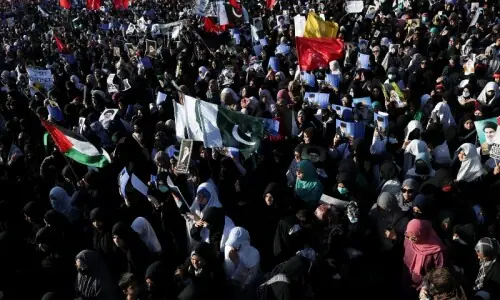
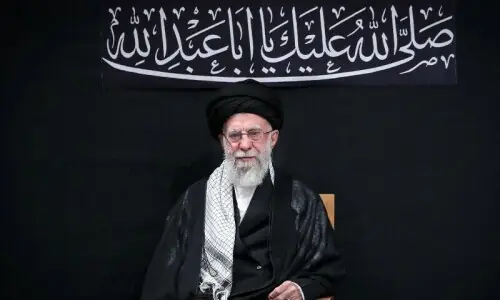
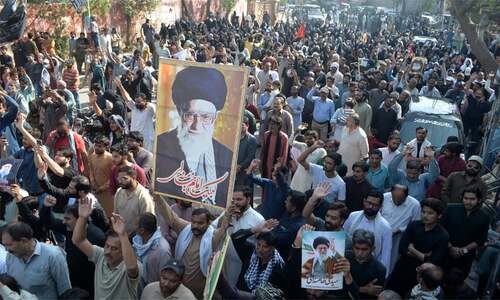
Protests that erupted in early March, following the start of the war and the assassination of Ayatollah Ali Khamenei, led to several casualties and a security crackdown, particularly in Karachi and Gilgit-Baltistan.
The ISPR statement said FM Munir emphasised that religious sentiments must not be exploited to incite violence in the country.
A participant, speaking on condition of anonymity, said the army chief addressed the clerics for about an hour.
The source said FM Munir adopted a stern tone, describing Iran as being under pressure from major powers and asserting that Pakistan’s territory was not being used against it.
At the same time, he drew a clear line on internal stability. According to the participant, the army chief told clerics that developments elsewhere must not be used to disturb Pakistan’s internal environment, and warned that those involved in recent unrest would face strict punishment.
He referred to protests on March 1, including incidents in GB where security personnel lost their lives, and said those responsible would be dealt with firmly, including through military courts, the source added.
The ISPR statement said the army chief also highlighted Pakistan’s “efforts and proactive diplomacy in seeking regional de-escalation”, and stressed unity, tolerance and national cohesion, particularly in countering misinfor-mation and sectarian narratives.
Published in Dawn, March 20th, 2026