0
0

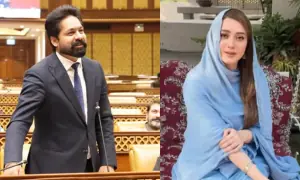
A NEW report by the Free and Fair Election Network teaches us that numbers alone cannot serve as a measure of representation in parliament. Despite occupying less than 22pc of seats in the National Assembly, women lawmakers contributed nearly 48pc of the regular plenary agenda during the second parliamentary year (2025-2026). In simple terms, female MNAs are generating parliamentary business at a rate far exceeding their numerical strength. In a House where 74 women sit alongside 269 men, female MNAs submitted 16 agenda items eachon average, compared with five per male legislator. This means that women MNAs are introducing roughly three times more parliamentary business than their male counterparts. The finding challenges the patronising assumption that women enter parliament merely to occupy reserved seats without significantly shaping legislative debate. Equally noteworthy is the breadth of issues raised. Contrary to the stereotype that women legislators mainly focus on gender-related matters, the report shows that 72pc of agenda items submitted by women dealt with national-level policy questions — ranging from economic policy and taxation to national security, governance and parliamentary procedures. Such contributions show women lawmakers participating in the national policy discourse as full legislators, not merely as representatives of women’s issues.
The report also offers a nuanced view of how women enter parliament. Those elected on general seats participated more actively in debates, while those occupying reserved seats submitted a larger number of agenda items. This suggests that women elected on general seats tend to speak more in debates, while the reserved-seat system helps ensure that they continue to shape the legislative agenda. Yet there are caveats. Although the overall Gender Responsiveness Score indicates that the Assembly addresses women’s agenda items at roughly the same rate as those of male lawmakers, certain categories — including private members’ bills and motions for public discussion — receive comparatively less attention when introduced by women. If parliament is serious about inclusivity, such disparities must be addressed. Ultimately, the lesson is clear. Women legislators are not merely filling seats; they are actively shaping the legislative agenda. Pakistan’s democracy must not only recognise this contribution but also expand women’s presence in elected politics. Women in parliament can carry far more than their share of the national conversation.
Published in Dawn, March 15th, 2026