Lahore High Court notifies four-day workweek
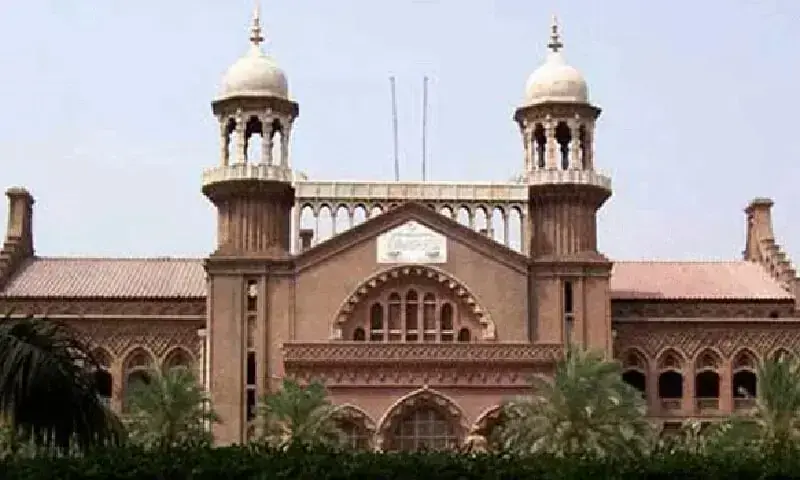
LAHORE: In a move to address the ongoing fuel challenges, the Lahore High Court (LHC) has observed a four-day work week for its staff and the district judiciary across Punjab.
A notification, issued by LHC Registrar Amjad Iqbal Ranjha on March 11, had outlined a series of “austerity and fuel conservation measures” aimed at reducing operational expenditures and fuel consumption.
The ‘austerity’ measures were announced in pursuance of a virtual meeting of the National Judicial (Policy Making) Committee held on March 10, reflecting a broader judicial effort to align with national energy-saving goals. Under the new directives, the courts (LHC & district judiciary) proceedings will now take place from Monday to Thursday.
The offices at principal seat and regional benches will operate on a four-day schedule with 50pc staff present on a rotation basis.
It said the “Urgent Cell” would remain open from Monday to Thursday with 50pc staff. To ensure justice was not delayed, it would also remain functional on Friday and Saturday with a 10pc staff only on a rotation basis.
While the main working week is capped at Thursday, district headquarters shall maintain 25pc staff on Fridays and Saturdays for urgent cases only, similar to summer vacation protocols.
Beyond the shift in working hours, Chief Justice Aalia Neelum has approved drastic cuts to official perks. The monthly petrol, oil, and lubricants ceiling for LHC judges’ official vehicles has been slashed by 50pc. For other officers of the high court and the district judiciary, the ceiling is reduced by 25pc.
The notification mandates the ‘rationalisation’ of security. It says no additional protocol or security vehicles shall be deployed during movements within designated high-security zones.
Published in Dawn, March 14th, 2026