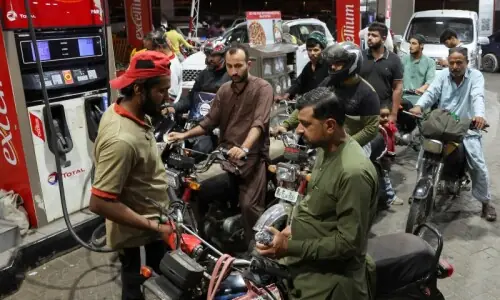
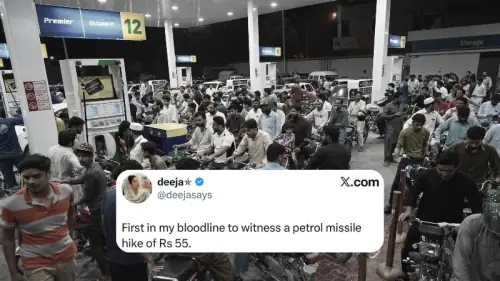
PAKISTANIS have felt the first direct economic tremor of the escalating confrontation between the US-Israel combine and Iran where it hurts the most: at the petrol pump.
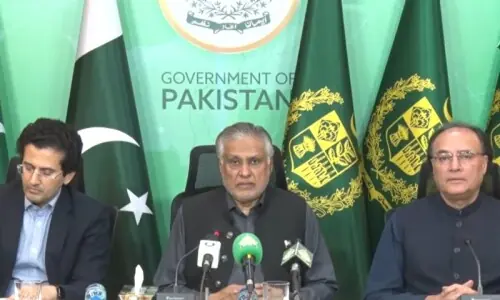
The government’s decision to increase petrol and diesel prices by Rs55 per litre reflects the immediate spill-over of high global oil prices triggered by the conflict. It is the single sharpest petroleum price adjustment in recent memory — alongside even steeper increases in kerosene and light diesel oil. The increase is extraordinary by any standard. Yet it also reflects how vulnerable Pakistan’s economy remains to geopolitical shocks.
With the closure of the Strait of Hormuz and Iran’s attacks on US military installations across the Gulf, global oil markets have been thrown into turmoil. In just one week, crude prices have surged sharply, with Brent climbing by roughly a third to above $92 per barrel by Friday and market expectations that prices could approach $150 if the conflict drags on for long. For an economy like Pakistan’s, which relies heavily on energy imports, such developments inevitably translate into domestic pain.
The government could have either absorbed the shock through the budget or passed on the cost to consumers. It chose the latter for obvious reasons.
From a fiscal standpoint, the government has little room for manoeuvre under IMF-mandated revenue and deficit targets. Cutting the petroleum levy to ease pain at the pump, as suggested by some, would have breached those goals. With the FBR struggling to meet tax targets, the levy has become crucial revenue in recent years, leaving Islamabad unable to absorb the global oil shock through its budget.
That said, the economic logic behind the decision does little to ease its impact on the public. The burden will fall mainly on ordinary citizens already facing high living costs and stagnant incomes. Kerosene’s steep increase is a grim reminder that the poorest households disproportionately bear the heaviest burden of energy price shocks. The consequences of the oil shock will ripple across the broader economy.
Fuel prices feed directly into transportation costs, which in turn affect the prices of food, imports and exports, and industrial inputs. Even before the outbreak of the conflict, inflation had begun creeping up again, reaching 7pc. The latest fuel price adjustment is likely to accelerate that trend, placing additional pressure on low- and middle-income household budgets. And this may only be the beginning. With oil markets bracing for more volatility amid an expanding war, more price shocks are inevitable in the coming weeks. The crisis exposes deep structural flaws in Pakistan’s economic management. Beyond rhetoric, the government has failed to broaden the tax base or build fiscal buffers. Stronger revenue streams and reduced reliance on indirect taxes could have better shielded consumers from the current crisis.
Published in Dawn, March 8th, 2026