• Seek joint parliament session
• Note friendly Gulf states planning to invest in Pakistan are distracted by the attack on Iran and retaliation
LAHORE: Five imprisoned PTI leaders have called for national reconciliation, highlighting the need to “heal divisions, restore trust and move forward with unity and dignity”.
In an open letter conveyed through their counsel, Rana Mudassar Umer, the PTI leaders said the evolving national and regional situation required urgent discussion with the opposition alliance Tehreek Tahafuz Ayeen-i-Pakistan (TTAP) leadership and PTI’s political committee to formulate a way forward, possibly through a joint session of Parliament.
Amid the evolving global situation, PTI leaders Shah Mahmood Qureshi, Dr Yasmin Rashid, Ejaz Chaudhry, Mian Mahmoodur Rasheed and Omar Sarfraz Cheema, who are currently imprisoned in Kot Lakhpat jail, stressed “all stakeholders, including political parties, the military establishment, the judiciary, the legal fraternity and the media, should collectively chart a way forward.
“Every stakeholder, whether in government or opposition, in uniform or in robes, in Parliament or on the streets, must unite for Pakistan.”
Referring to the country’s “bound to increase” economic burden due to tensions on the western border, an uneasy situation on the eastern border, insurgency in Balochistan and a renewed wave of terrorism in Khyber Pakhtunkhwa, the incarcerated leaders said the last thing Pakistan could afford was an internal crisis caused by political instability.
Economic fallout
“External threats may not be of our creation, but they require internal cohesion and coordination to mitigate their fallout. Pakistan’s political and military leadership cannot ignore that our fragile economic stability, achieved at a high cost by the people, is under threat,” they said.
The PTI leaders pointed out that friendly Gulf states planning to invest in Pakistan were distracted by the US-Israel conflict with Iran and Tehran’s retaliation.
They noted that a significant portion of Pakistan’s foreign exchange reserves consisted of deposits from friendly countries. The UAE’s shift from annual to monthly rollovers of these deposits indicated increasing difficulty in securing such support in the future.
“Global and regional economic uncertainty will also affect remittance flows. Closure of Gulf ports and rising shipping costs will disrupt trade and put additional pressure on our stagnating exports,” the letter stated.
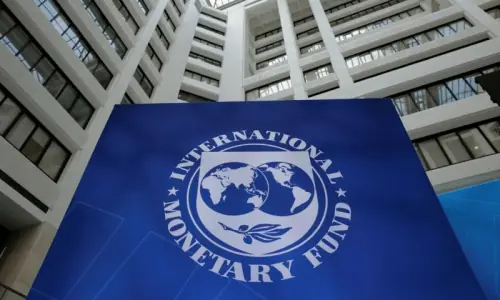
Referring to rising oil and gas prices, which could increase the import bill and wipe out the current account surplus, the leaders warned that Pakistan might face another balance-of-payments crisis, forcing continued dependence on the IMF despite hopes of exiting the programme.
They also noted that inflation was rising again, limiting the possibility of a significant reduction in the policy rate.
Pakistan, they said, was unable to generate the three million additional jobs required annually to absorb its growing youth population. The agriculture sector was also under stress as input costs rose while output prices remained low.
“At our current level of GDP growth, reduction in poverty is not possible. Business as usual is no longer viable and political confrontation is not desirable,” they said.
The leaders urged stakeholders to heal divisions and restore trust to deal with the country’s challenges.
“Only an internally united Pakistan can effectively respond to the external threats we face. All stakeholders must collectively chart a way forward,” they added.
Published in Dawn, March 8th, 2026