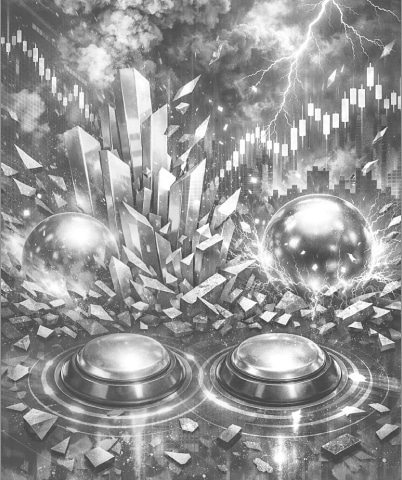
WHEN the prices of gold and silver hit all-time highs, markets are not celebrating prosperity; they are signalling anxiety. Historically, these metals rise not in times of confidence, but in moments of doubt. They are the world’s financial panic buttons, pressed quietly when trust in the future begins to erode. Gold and silver are not merely commodities. They are actually sanctuaries. Unlike currencies, they cannot be printed. Unlike bank deposits, they cannot be frozen or sanctioned. Whenever powerful states posture in favour of conflict or economic coercion, investors retreat from stocks, paper promises and political assurances, and move towards hard assets. This is where global politics intersects with market psychology.
From Washington’s pressure on Venezuela to rising tensions over Taiwan, from deepening rivalry between the United States and China to renewed hostility in South Asia, and from Gaza to Ukraine, the international system is entering a phase of intensified competition. Pakistan’s sudden prominence in global discussions — particularly regarding its critical mineral resources — is not at all coincidental. It reflects a broader shift from ideology-driven geopolitics to resource-driven strategy.
Modern power struggles are no longer fought solely over borders. They revolve around lithium, copper, rare earth elements, shipping lanes, energy corridors and financial control mechanisms, such as sanctions and currency leverage. Economic influence has become a frontline of modern conflict. Pakistan occupies a uniquely sensitive position in this emerging order.
Looking at the bigger picture, the pattern is clear. The US, China and Russia are engaged in a slow-burn struggle — not a single declared war, but sustained pressure through currency competition, proxy conflicts, technology restrictions and military posturing. These dynamics may not dominate political speeches, but they dominate investor behaviour.
Markets often detect stress long before headlines do. That is why gold reflects declining trust in governments, silver captures the collision of industrial demand and fear, currencies wobble, defence stocks rise, and emerging markets experience disproportionate pressure. In simple terms, gold and silver reaching record highs does not signal an imminent full-scale war. It indicates that confidence in stability is quietly fading — even as leaders continue to smile for the cameras.
Bilal Younus Shaikh
New Saeedabad
Published in Dawn, February 28th, 2026