0
0
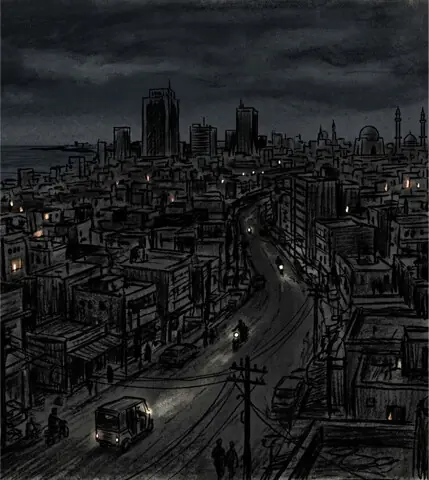
RECENT peak-hour load shedding has often been framed as am indication of electricity shortage. That diagnosis is too narrow. The system is constrained less by installed capacity than by limitations in resource adequacy, flexibility and deliverability, compromising the ability to reliably meet demand when and where it arises under prevailing fuel and network limitations.
In the immediate term, the pressure has been shaped by fuel supply uncertainties and LNG disruptions amid geopolitical tensions. As a result, RLNG-based generation has operated below potential, while hydropower output has fluctuated with seasonal and operational conditions. During peak stress periods, reliance on high-cost furnace oil further limits economic dispatch, and raises marginal generation costs, reflecting fuel avail-ability issues and cost-driven limitations. The outcome is not a uniform capacity deficit, but a pronounced evening shortfall driven by system constraints during peak hours, typically between 5pm and 1am.
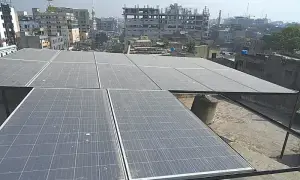
During the day, distributed solar power is helping reduce grid demand and easing system pressure. But this relief is only partial, as the challenge reappears right after sunset, when electricity demand goes higher. The growing issue is, therefore, no longer simply whether capacity exists, but whether or not the system can match supply with demand across the 24-hour cycle.
Even as solar becomes more available during daylight hours, evening peaks still fall on a grid that must rely on conventional generation to remain stable. Hydropower and RLNG-based plants continue to play this balancing role, but both are burdened by fuel dependence, hydrological uncertainty and operational limits, which makes the evening ramp increasingly difficult to manage.
In fact, this is precisely where storage becomes important, not as a substitute for generation, but as a flexibility resource that can shift surplus solar into the hours when the system needs it the most.
In peak summer months, rising tempe-ratures will further intensify evening demand, highlighting the need for stronger system balancing, efficient dispatch and coordinated operations to manage ramping stress, cost escalation and the risk of deepening summer energy poverty.
Pakistan’s energy transition is underway, with distributed solar reshaping demand patterns and indigenous generation gradually improving the supply mix. However, without corresponding gains in system flexibility, storage integration and grid readiness, these improvements will struggle to be fully effective.
Ultimately, the issue is not that of a persistent capacity shortage. The situation indicates an emerging phase of system stress, exposing the grid’s continuing limitations in delivering electricity in the right form, at the right time, and to the right location under evolving demand and network conditions.
In the short term, the focus must shift from capacity expansion to system opti-misation through disciplined dispatch, coordinated fuel management and demand-side measures, such as time-of-use tariffs and demand response to manage evening peaks. Improved price signals and targeted incentives can further enable storage and hybrid solutions, allowing surplus daytime generation to be of use during the peak post-sunset hours.
In the medium term, grid-scale battery energy storage systems (BESS) will be critical for peak shifting, fast-response frequency regulation, and system balancing services. In the long term, strengthening transmission infrastructure, particularly along the constrained north-south corridors, and adopting robust resource adequacy planning will be essential to ensure reliable and efficient system operations.
Shafqat Hussain Memon
Jamshoro
Published in Dawn, April 30th, 2026