UN expert Albanese denounces ‘toxic’ attacks against her
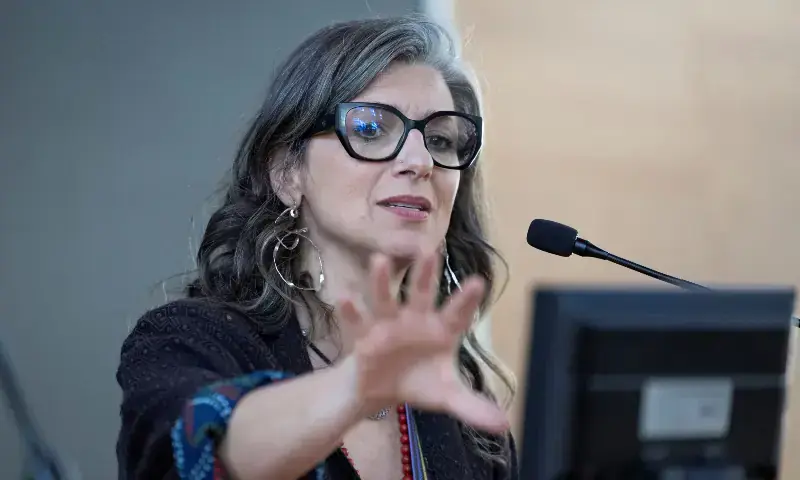
GENEVA: The UN expert on the Palestinian territories, Francesca Albanese, denounced on Thursday what she described as “toxic” attacks impacting her personal life and work, after a number of European states called for her resignation.
In recent weeks Germany, France, Italy and others have called for Albanese to step down over her criticism of Israel. Albanese, an Italian lawyer, said the remarks were taken out of context and misconstrued.
“I can tell you how toxic and personally damaging for me and for my family these past days, weeks and months have been,” Albanese, Special Rapporteur on human rights in the occupied Palestinian territories, told reporters via video link from Jordan.
A letter, sent by the permanent mission of Israel in Geneva to the Council’s president on Feb 15, stated that she had flagrantly violated the UN’s code of conduct.
“As long as she holds a UN mandate, she fundamentally undermines the credibility and moral authority of the United Nations,” the letter stated, adding that Albanese had repeatedly shared antisemitic tropes — allegations that Albanese has previously denied.
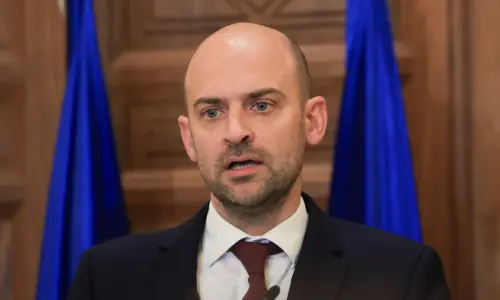
On Tuesday the ambassador to the French mission to the UN in Geneva reiterated concerns by the French foreign minister of “extremely problematic statements” by a United Nations Special Rapporteur — in an apparent reference to Albanese, without mentioning her by name.
“All those who speak under the auspices of the United Nations — including Special Rapporteurs — must exercise the restraint, moderation, and discretion required by their mandate,” Cline Jurgensen told delegates at the UN Human Rights Council.
Albanese described sanctions imposed on her by the United States in July as being part of a broader strategy by the current US administration to weaken international accountability mechanisms.
The US sanctioned Albanese for what it described as “illegitimate and shameful efforts to prompt (International Criminal Court) action against US and Israeli officials, companies, and executives” in a report to the Human Rights Council.
“These smears, the sanctions, the continuous attacks from all over, from those very states who should use that energy as stamina to go after those who are accused by the highest court in the world of war crimes, crimes against humanity and genocide,” Albanese stated.
Published in Dawn, February 27th, 2026