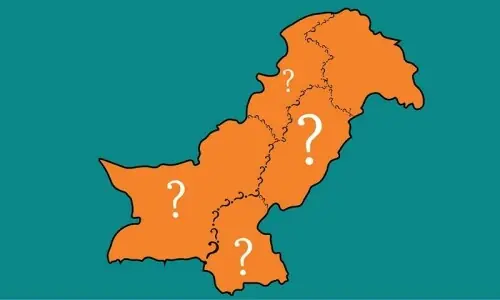
PAKISTAN is not short of food. It is short of resilience. The latest Integrated Food Security Phase Classification (IPC) analysis, covering 45 vulnerable rural districts, finds that 7.5m people — 21pc of the population assessed — face ‘Crisis’ or worse levels of acute food insecurity between December and March. Of these, 1.25m are in ‘Emergency’, a rung below famine and marked by severe food gaps and rising malnutrition. The categories are technical, but the trajectory is clear: too many households cannot meet basic food needs without resorting to harmful coping strategies. The headline numbers, however, require context. The assessment covers selected rural districts in Balochistan, Sindh and KP — not the whole country — and awaits formal provincial endorsement. Comparisons with last year are also not straightforward. Though the absolute number in ‘Crisis’ or worse appears lower than in the previous round, the geographic scope has shrunk from 68 districts to 45; proportionally, severity is broadly unchanged.
The drivers are less dramatic than famine imagery suggests, but more stubborn. Residual damage from the 2025 monsoon floods, prolonged drought and dry spells, and localised insecurity have weakened farm and pastoral incomes. Lean-season dynamics, high and volatile wheat flour prices, costly fuel and transport, and heavy reliance on markets erode purchasing power. Many households report rising debt. Water scarcity, crop disease and pricey inputs limit production. In border districts, trade disruptions and insecurity compound the squeeze. A modest easing is projected after the wheat harvest and seasonal livestock sales: 6.7m people are expected to remain in ‘Crisis’ or worse between April and September. That is a slight improvement, not a turnaround. Crucially, the report suggests that availability is not the binding constraint; access is. Pakistan’s problem is less an empty granary than an unequal marketplace. Without investment in climate adaptation, rural infrastructure and social protection, we will continue to oscillate between stress and crisis — never quite tipping into catastrophe, but never escaping fragility either.
Published in Dawn, February 23rd, 2026