0
0
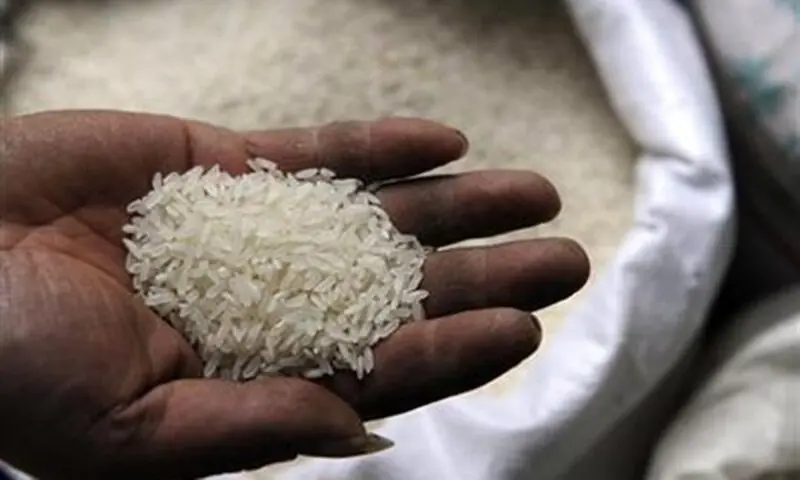

ISLAMABAD: The Ministry of Commerce has further amended a rebate scheme on local taxes and levies to address concerns of larger rice exporters and make it more competitive on the international market.
A notification released on Wednesday fixed specific rates under the Duty and Taxes Remission for Export (DLTL) scheme for various rice brands. The scheme will come into effect retrospectively from Jan 23.
The government has allocated approximately Rs15 billion for the subsidy scheme. According to the notification, the commerce ministry has removed the ceiling cap price of $1,275 per tonne FOB.
As a result of this decision, according to sources, rice exporters will receive 9pc of the FOB value of $750 or above. This will encourage over-invoicing by Basmati exporters with offices abroad in Saudi Arabia, the United Arab Emirates, the US, the EU, and the UK.
Govt removes $1,275 per tonne price cap, allocates Rs15bn subsidy to boost competitiveness
Contrary to this, Indian exporters are currently offering Basmati rice at prices below $300 per tonne, with a price range of $900 to $975 per tonne to foreign importers.
There are apprehensions that the DLTL incentive is being misused by Basmati exporters and that domestic prices have already inflated. “Our growers have already sold their Basmati paddy at a price range of Rs5,500 to Rs6,000 per 40 kg,” the sources further said.
According to the same sources, hoarders are demanding Rs6,400 per 40kg.
Based on domestic paddy prices and a 9pc discount to DLTL, sources estimate the net export price of Pakistani Basmati rice at $1,200 per tonne. “Who will buy from us if Indian exporters are already supplying Basmati at $900 per tonne?” according to sources.
It has been pointed out that almost all of the top 50 rice exporters have their entities at various destinations, including KSA, UAE, USA, Canada, Kenya, Rwanda and other African destinations. “Now they will re-route their exports of Basmati and coarse rice through their overseas entities at a higher invoiced value to grab the maximum of DLTL incentives”, the sources further claimed.
The Federation of Pakistan Chambers of Commerce and Industry (FPCCI), in a letter dated Feb 16 to Commerce Minister Jam Kamal Khan, said the imposition of an export price cap could exclude a large number of genuine exporters from the DLTL facility and adversely affect competitiveness and foreign exchange earnings.
FPCCI President Atif Ikram Sheikh stated that the rice sector operates in a highly competitive international market with fluctuating prices, quality variations and destination-specific dynamics. He cautioned that a rigid cap does not reflect market realities and may disproportionately affect small and medium exporters.
Published in Dawn, February 19th, 2026