Rs15bn tax rebate splits rice exporters
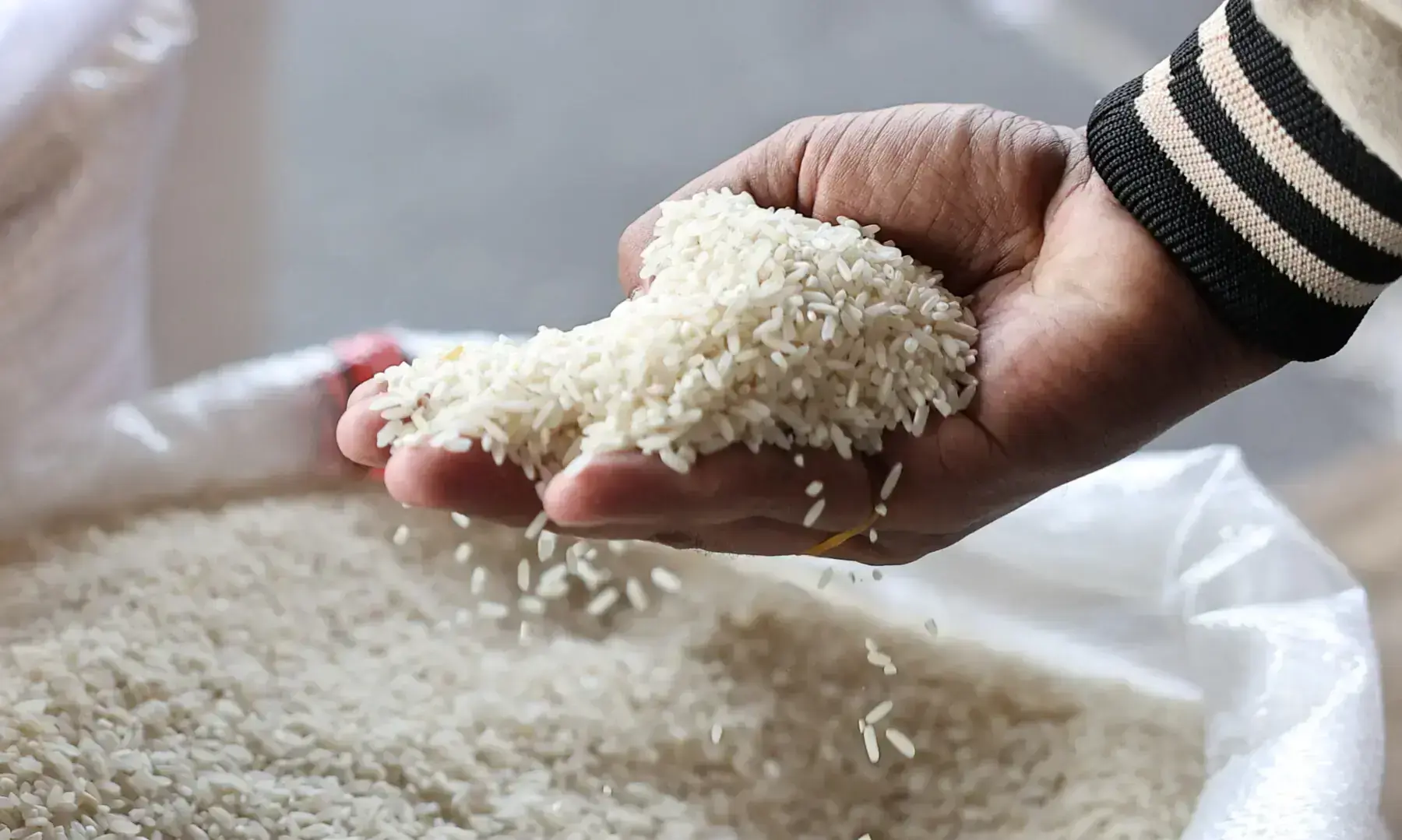


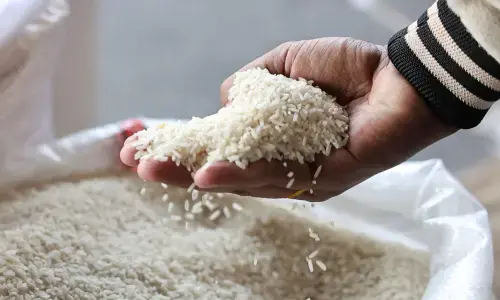
ISLAMABAD: At a time when rice exports are steadily declining, the Ministry of Commerce has allocated around Rs15 billion for a rebate scheme on local taxes and levies for rice exporters, raising concerns about a potential rise in domestic prices.
Exporters remain divided over the government’s decision, which has been presented as a support measure for the sector. Several industry players, however, argue that the move fails to address the structural problems confronting rice exports and instead risks shifting the burden onto domestic consumers.
Rice Exporters Association of Pakistan (REAP) Chairman Faisal Jahangir told Dawn that the Drawback on Local Taxes and Levies (DLTL) scheme would help lower export prices and improve Pakistan’s ability to compete with global suppliers. He said Indian rice was currently being offered at significantly lower prices, making it difficult for Pakistani exporters to maintain their foothold in international markets.
Critics warn move could push up domestic prices, benefit stockists
Mr Jahangir said the rebate would help exporters maintain market share amid intense competition, adding that the support was intended to ease cost pressures faced by the industry. He rejected concerns that the scheme would push up domestic rice prices, maintaining that the rebate was designed to support exports rather than influence the local market.
Nine per cent rebate
According to a notification issued by the commerce ministry, exporters of basmati and brown rice are eligible for a rebate of 9 per cent of the free-on-board (FOB) value, provided the export price is equal to or above $750 per metric tonne. Other coarse rice qualifies for a lower rebate of 3pc of FOB value, but only where the export price remains below $750 per tonne.
A Karachi-based rice exporter told Dawn that Pakistan’s bureaucracy has a long history of repeating policy mistakes dating back to the 1960s, relying on short-term measures such as rebates and subsidies to keep export sectors afloat.
He said these stopgap incentives have failed to deliver sustained growth, leaving exports largely stagnant despite repeated fiscal support. By contrast, he said regional competitors such as China, India, Bangladesh and Vietnam have focused on structural reforms to improve productivity, logistics and cost efficiency, enabling their exporters to compete more effectively in global markets.
Exporters say rice exports have declined since the removal of the minimum export price due to higher cultivation, milling, financing and tax costs.
According to exporters, sustainable price competitiveness can only come from higher output and productivity, not from rent-based incentives that encourage speculative behaviour. In their view, reducing rice prices through increased production would generate real wealth across the value chain.
They point to India, noting that Indian rice prices, particularly basmati, have declined due to higher production, improved per-acre yields, and the development of new varieties that can be cultivated across different regions. Some exporters warn that the incentive could drive up domestic rice prices, benefiting stockists rather than exporters while squeezing consumers.
They also point out that linking rebates to FOB values instead of export volumes sends a price signal back into the domestic market, pushing up paddy procurement rates, particularly for basmati, where the rebate rises to 9pc above the $750 per tonne threshold.
Published in Dawn, January 27th, 2026