Moscow chokes Telegram as it pushes rival app
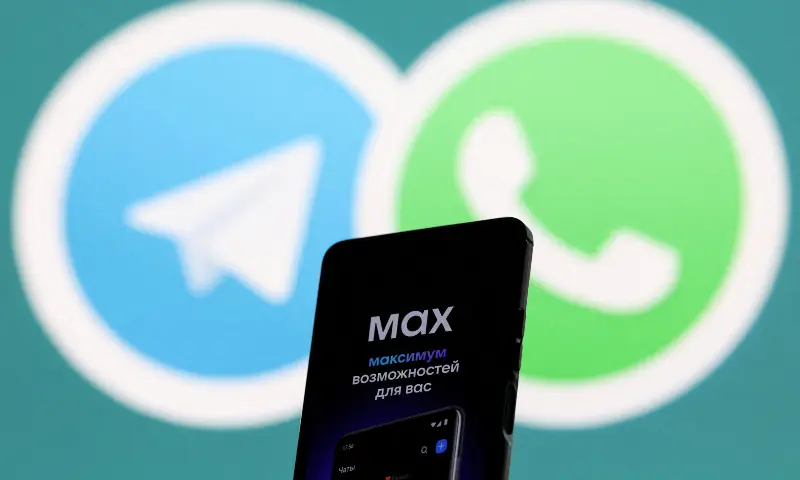
MOSCOW: Russia’s internet watchdog on Tuesday announced it was throttling the Telegram messenger platform for alleged legal violations, as Moscow tries to push its citizens into using a more tightly controlled domestic online service.
Moscow has been threatening various internet platforms with forced slowdowns or outright bans if they do not comply with Russian laws. Those laws require data on Russian users to be stored inside the country, and for efforts to be made to stamp out their use for what Moscow calls “criminal and terrorist purposes”.
Critics and rights campaigners say the restrictions are a transparent attempt by the Kremlin to ramp up control and surveillance over internet use in Russia, amid a sweeping crackdown on dissent during the Ukraine offensive.
Telegram’s Russian-born founder Pavel Durov, who lives outside the country, posted on his Telegram channel that “Russia is restricting access to Telegram in an attempt to force its citizens to switch to a state-controlled app built for surveillance and political censorship”.
The Roskomnadzor agency said in a statement cited by state media that it will “continue to introduce phased restrictions” on Telegram, which it said had not complied with the laws.
Media watchdog Reporters Without Borders (RSF) condemned what it called a continuous “strategy to strangle the circulation of information” and noted that Russia ranks 171st out of 180 in its World Press Freedom Index.
Amnesty International meanwhile branded the move “censorship and obstruction under the guise of protecting people’s rights and interests”. Telegram is widely used across Russia, both as a messaging app and as a social media service.
Almost all major public figures, including government bodies and the Kremlin, post regular updates on the platform. Some pro-war bloggers, who also use Telegram extensively, criticised the decision, saying it would hobble communications around the front line and in Russian-occupied territory.
“It’s very unpleasant,” said the Two Majors channel, one of Russia’s most widely read military correspondents.
“People’s positions will now mostly be conveyed to the outside world not by people, but by our masters of the foreign ministry,” it added, lamenting the switch to Russian apps that nobody outside the country uses.
Max rival
Moscow is trying to push users onto a state-backed competitor, called Max, which can also handle payments and government services. Pro-war correspondent Alexander Kots also said blocking Telegram would limit Russia’s own “information operations”, and recruitment of Ukrainians through the app to carry out sabotage attacks.
Both sides widely accuse each other of plotting behind-the-lines operations by recruiting sympathisers, or those in need of cash, over social media. Before the war, Russia had previously tried to ban Telegram — which is still run by Durov, who also possesses French and Emirati citizenships — but ultimately failed in its attempts to block access and lifted the ban in 2020.
Russian users reported slow traffic and lagging downloads on Telegram throughout Tuesday before the official announcement.
Published in Dawn, February 11th, 2026