1
1

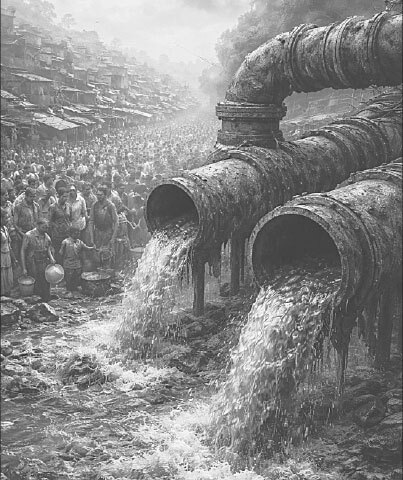
ACCESS to safe drinking water is essential for public health, but increasing water scarcity and population growth have put severe pressure on limited freshwater resources worldwide. These challenges are particularly acute in developing countries, such as Pakistan, where many communities rely on completely untreated water sources that are highly vulnerable to microbial contamination.
A largely overlooked threat to drinking water safety is the formation of biofilms, which are colonies of microorganisms that attach to surfaces and are protected by a self-produced matrix of proteins, poly-saccharides and DNA. This protective layer makes bacteria more resistant to disinfectants, and allows them to persist within drinking water distribution systems (DWDS).
Modern water supply systems consist of extensive networks of pipes that deliver water from sources to consumers. These systems are prone to contamination due to aging infrastructure, pipe corrosion, leakage and poor maintenance. Biofilms that develop on the inner surfaces of pipes are a major source of persistent microbial contamination.
Millions of people across Pakistan are affected each year by poor quality of water that is contaminated with faecal microbes, increasing the risk of diseases, such as diarrhoea, cholera, typhoid and dysentery. In DWDS, biofilms not only degrade water quality, but also act as reservoirs for pathogenic microorganisms and contribute to pipe corrosion. More alarmingly, they can harbour antibiotic-resistant bacteria (ARB) and antibiotic resistance genes (ARGs).
Evidence shows that ARBs and ARGs are present not only in untreated surface and groundwater, but also in tap and bottled water. Within biofilms, resistance genes can transfer between bacteria, potentially reaching human pathogens. Changes in water flow can release these resistant bacteria into household water supplies, posing direct health risks.
In developed countries, drinking water treatment and disinfection are mandatory, but even advanced treatment plants cannot eliminate ARBs and ARGs. The situation is more concerning in Pakistan, where inadequate treatment, lack of routine disinfection, and faulty distribution systems, including cross-connections with sewerage lines, further compromise water quality.
Ensuring safe drinking water in Pakistan requires more than improved treatment facilities. Equal attention must be given to understanding and controlling biofilm formation within distribution pipelines.
Addressing this hidden source of contamination is essential for protecting public health, and for ensuring sustainable access to reasonably safe drinking water.
Aiza Javed
Islamabad
Published in Dawn, February 9th, 2026