US, China opt out of joint declaration on AI use in military
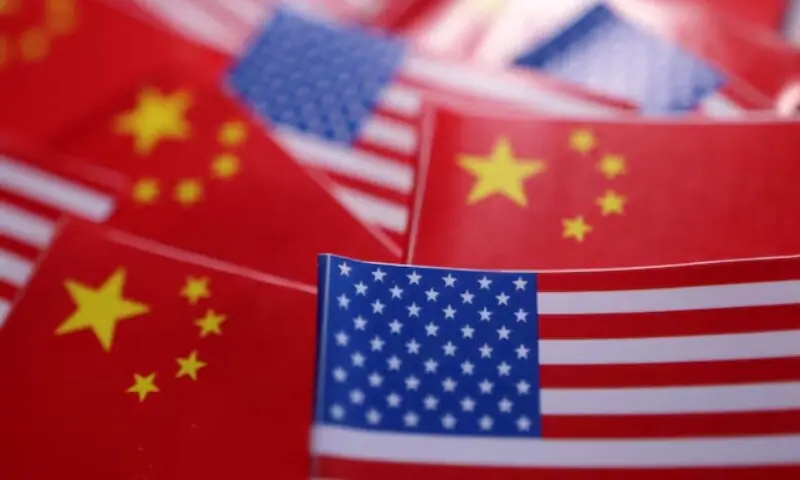
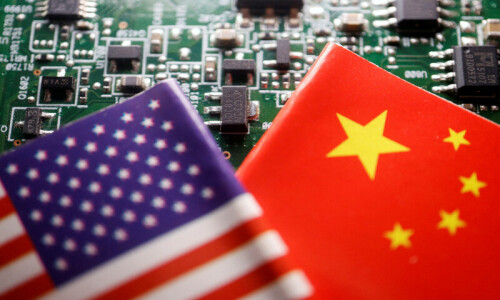
Around a third of countries attending a military AI summit agreed on Thursday to a declaration on how to govern deployment of the technology in warfare, but military heavyweights China and the US opted out.
Tensions in relations between the United States and European allies, and uncertainty over how transatlantic ties will look in the coming months and years, made some countries hesitant to sign joint agreements, several attendees and delegates said.
The pledge underscores growing concern among some governments that rapid advances in artificial intelligence could outpace rules around its military use, raising the risk of accidents, miscalculation or unintended escalation.
Governments are facing a “prisoner’s dilemma”, caught between putting responsible restrictions in place and not wanting to limit themselves in comparison with adversaries, said Dutch Defence Minister Ruben Brekelmans.
“Russia and China are moving very fast. That creates urgency to make progress in developing AI. But seeing it going fast also increases the urgency to keep working on its responsible use. The two go hand-in-hand,” he said in comments to Reuters.
Only 35 countries out of 85 attending the Responsible AI in the Military Domain (REAIM) summit in A Coruña, Spain, signed a commitment to 20 principles on AI on Thursday.
These included affirming human responsibility over AI-powered weapons, encouraging clear chains of command and control, and sharing information on national oversight arrangements “where consistent with national security”.
The document also outlined the importance of risk assessments, robust testing and training and education for personnel operating military AI capabilities.
At two prior military AI summits in The Hague and Seoul in 2023 and 2024 respectively, around 60 nations, excluding China but including the United States, endorsed a modest “blueprint for action” without legal commitment.
While this year’s document was also non-binding, some were still uncomfortable with the idea of endorsing more concrete policies, said Yasmin Afina, a researcher at the UN Institute for Disarmament Research and an adviser on the process.