Biometric verification enforced for matric, inter exams in Punjab


 0
0
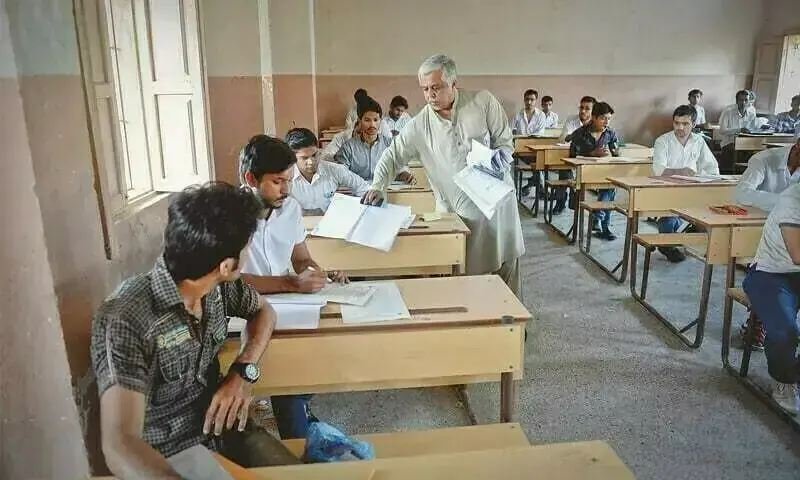

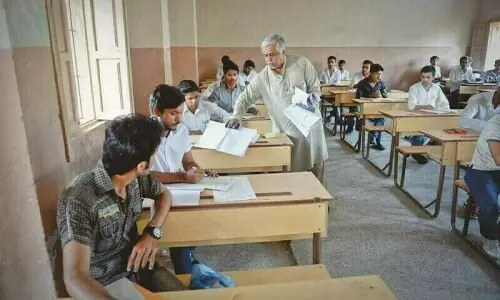
LAHORE: Marking a significant reform in Punjab’s examination system, students appearing in the 2026 Matriculation and Intermediate exams will be verified through digital biometric attendance, a first in the province, aimed at eliminating impersonation and strengthening transparency.
The decision was discussed at a high-level meeting held at the Lahore Board of Intermediate and Secondary Education (BISE), where officials reviewed sweeping reforms aimed at modernising the examination process.
The session was chaired by Muzammil Mehmood, Chairman of the Task Force Committee on Boards, and attended by senior officials including Additional Secretary for Higher Education Boards Nauman Jameel, Lahore Board Secretary Rizwan Nazeer, Controller of Examinations Tauseef-ur-Rehman, and secretaries and controllers from all nine educational boards of Punjab.
Officials said the introduction of biometric verification was intended to eliminate cases of fake candidates and ensure that only registered students sit for board exams. Under the proposed system, students’ identities would be verified digitally at examination centres before they were allowed to take their exams.
Introduction of digital technologies, overhaul of practical examination system, grading process also proposed for exams
The meeting also focused heavily on overhauling the long-criticised practical examination system. Authorities acknowledged that for years, practical exams had often been treated as a mere formality, with concerns over unfair marking, favouritism, and lack of monitoring. Under the new reform proposals, practical exams would be conducted and evaluated with the same seriousness and scrutiny as theory papers.
Among the key measures discussed was the development of standardised criteria for assessing students’ laboratory performance and practical responses. This move is aimed at ensuring uniform marking across boards and reducing subjective grading.
To further strengthen oversight, installing CCTV cameras in laboratories during practical examinations was proposed.
Officials believed that video monitoring would help curb cheating, outside influence, and the culture of recommendations that had long plagued the system.
A digital marking system is also under consideration. Under this system, practical and theory marks would be entered electronically to reduce manual handling and the chances of tampering or human error.
Recognising the role of examination staff in maintaining integrity, the meeting discussed a proposal to increase compensation for supervisors and relevant staff. The aim is to encourage honest performance of duties and reduce susceptibility to external pressure.
Task Force Committee Chairman Muzammil Mehmood said the reforms reflected a zero-tolerance policy. He warned that strict legal action would be taken against anyone found using bribery, political influence, or personal connections to manipulate the examination results.
“Merit will be the only standard,” he emphasised, adding that technology would now play a central role in restoring public trust in the examination system.
Education officials described the reforms as a significant relief for hardworking students who previously felt disadvantaged due to a lack of influence. With biometric verification, digital monitoring, and stricter evaluation methods, authorities hoped that the 2026 examination cycle will mark the beginning of a more transparent and credible era for Punjab’s education boards.
Lahore BISE spokesperson Tahir Javed said further technical details and implementation guidelines would be shared with institutions and examination centres well before the 2026 exam season.
Published in Dawn, February 1st, 2026