China asks firms to stop using US, Israeli cybersecurity software
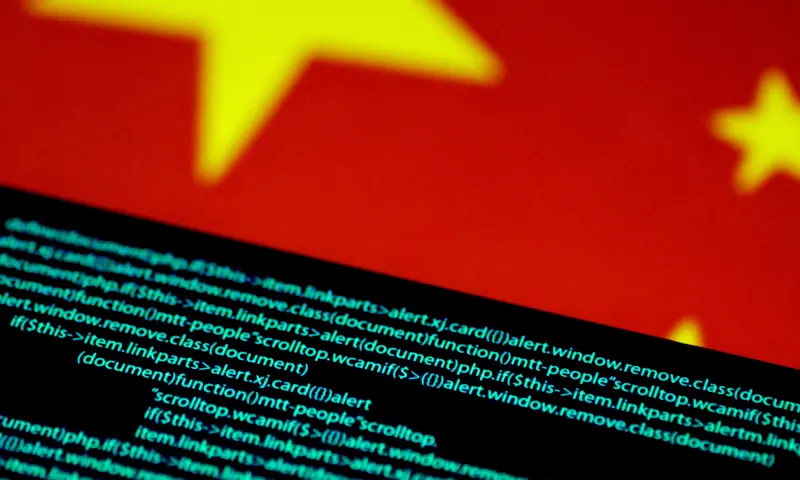


Beijing/SAN FRANCISCO: Chinese authorities have told domestic companies to stop using cybersecurity software made by roughly a dozen firms from the US and Israel due to national security concerns.
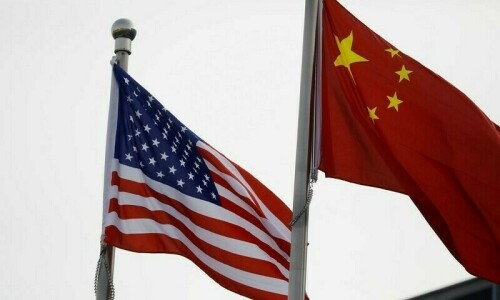
As trade and diplomatic tensions flare between China and the US and both sides vie for tech supremacy, Beijing has been keen to replace Western-made technology with domestic alternatives.
The US companies whose cybersecurity software has been banned include Broadcom-owned VMware, Palo Alto Networks and Fortinet, while the Israeli companies include Check Point Software Technologies, the sources said.
Shares of Broadcom and Palo Alto Networks were down more than 1pc in premarket trading, while those of Fortinet fell nearly 3pc.
Washington allows Nvidia to send advanced AI chips to China with restrictions
Chinese authorities expressed concern that the software could collect and transmit confidential information abroad, the sources said. They declined to be named due to the sensitivity of the situation.
While the West and China have clashed over China’s efforts to build up its semiconductor and artificial intelligence sectors, Chinese analysts have said Beijing has become increasingly concerned that any Western equipment could be hacked by foreign powers. It has therefore sought to replace Western computer equipment and word processing software.
The country’s largest cybersecurity providers include 360 Security Technology and Neusoft.
Nvidia to send advanced AI chips
The US Commerce Department on Tuesday opened the door for Nvidia to sell advanced artificial intelligence chips in China with restrictions, following through on a policy shift announced last month by President Donald Trump.
The change would permit Nvidia to sell its powerful H200 chip to Chinese buyers if certain conditions are met — including proof of “sufficient” US supply — while sales of its most advanced processors would still be blocked.
However, uncertainty has grown over how much demand there will be from Chinese companies, as Beijing has reportedly been encouraging tech companies to use homegrown chips.
Chinese officials have informed some firms they would only approve buying H200 chips under special circumstances, such as development labs or university research, news website The Information reported on Tuesday, citing people with knowledge of the situation.
The Information had previously reported that Chinese officials were calling on companies there to pause H200 purchases while they deliberated requiring them to buy a certain ratio of AI chips made by Nvidia rivals in China. In its official update on Tuesday, the US Commerce Department’s Bureau of Industry and Security said it had changed the licensing review policy for H200 and similar chips from a presumption of denial to handling applications case-by-case.
Trump announced in December an agreement with Chinese President Xi Jinping to allow Nvidia to export its H200 chips to China, with the US government getting a 25-pc cut of sales.
Published in Dawn, January 15th, 2026