Astronaut’s ‘serious medical condition’ forces Nasa to end space station mission early


 1
1
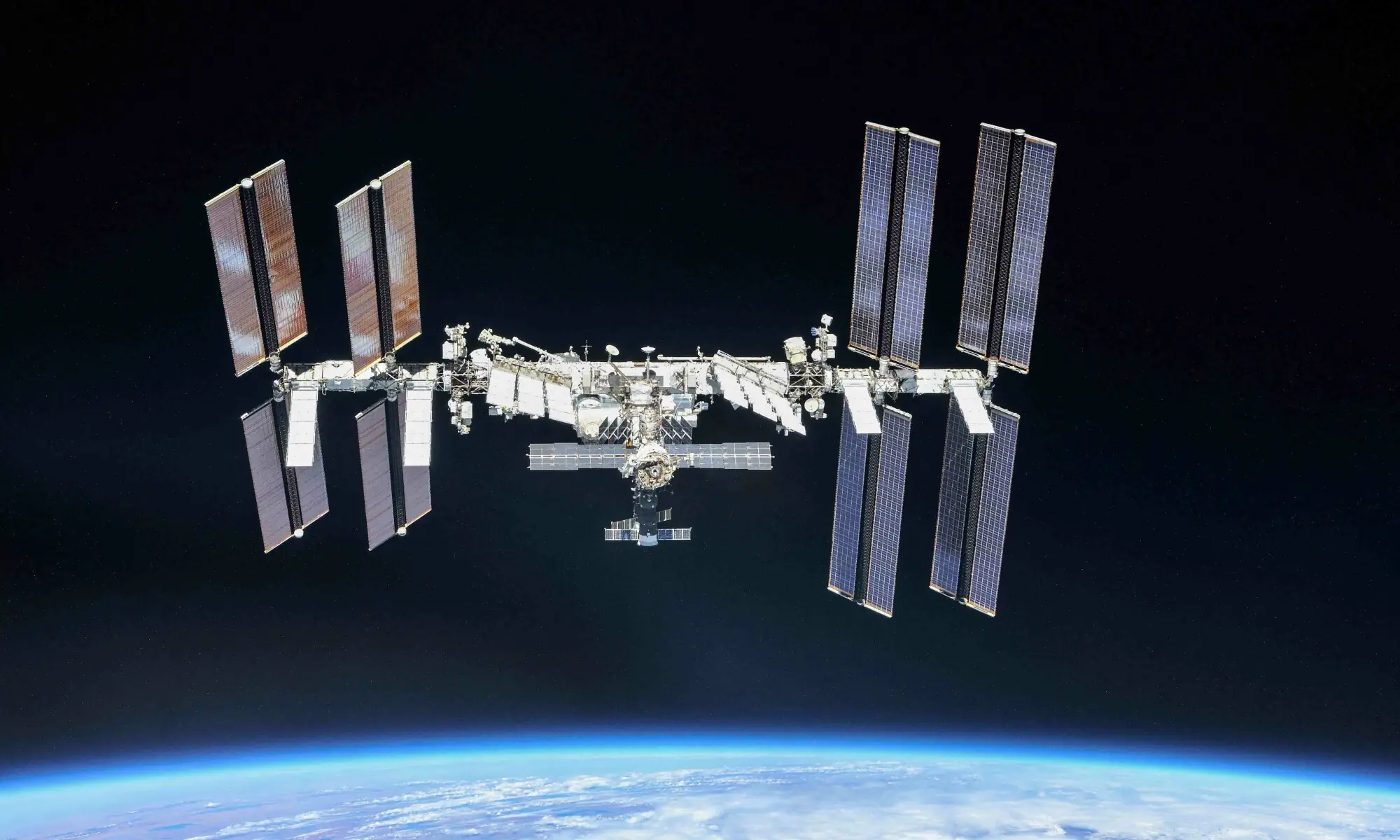

WASHINGTON: A “serious medical condition” with a crew member aboard the International Space Station has led Nasa to bring the astronaut and three crewmates back to Earth months earlier than planned, the first such emergency return in the orbiting laboratory’s 25-year history, senior space agency officials said.
Nasa Administrator Jared Isaacman told reporters on Thursday in a short-notice press conference in Washington that he and medical officials made the decision to return the astronaut, whom he did not identify, because “the capability to diagnose and treat this properly does not live on the International Space Station”.
The NASA officials did not identify which of the Crew-11 mission’s four astronauts was experiencing the medical issue or describe its nature, citing the crew member’s privacy.
“This is not an emergency evacuation,” said a Nasa official according to a BBC report, adding: “We always err on the side of the astronaut’s health.”
Agency cites inability to diagnose and treat condition on ISS
An update was expected within 48 hours on the timeline for the astronauts’ return, the Nasa officials added.
On Wednesday, Nasa abruptly cancelled a spacewalk due to take place on Thursday, when two astronauts were set to step outside the ISS, citing a “medical concern”.
“Safely conducting our missions is our highest priority, and we are actively evaluating all options, including the possibility of an earlier end to Crew 11’s mission,” said a Nasa spokeswoman on Wednesday after the last-minute cancellation of the spacewalk.
First early evacuation
This is the first early evacuation in the history of the ISS, which has been continuously inhabited since the year 2000.
The four-person team is called Crew-11, and consists of Nasa astronauts Zena Cardman and Mike Fincke, Kimiya Yui from Japan’s JAXA space agency, and a Russian cosmonaut, Oleg Platonov.
One American astronaut will remain aboard the ISS, officials say, and will be accompanied by two Russian cosmonauts.
Dr James Polk, Nasa’s chief health and medical officer, told reporters that this was the first time in Nasa’s over 65-year history that a mission would return early due to a medical issue.
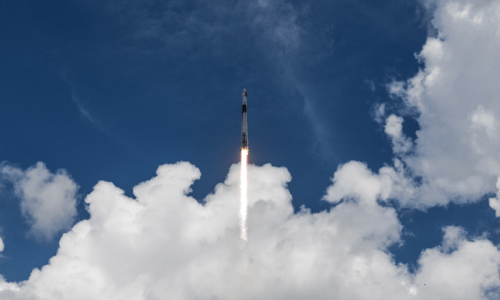
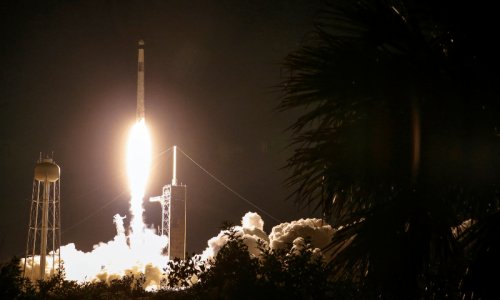
Crew-11 launched to the ISS in August last year on a SpaceX Crew Dragon and were expected to remain in orbit for about six months, returning around next month, after being replaced by another four-person crew a few days earlier.
The ISS has basic medical equipment, supplies and communication systems that let doctors on Earth talk privately to astronauts in space, assess their condition and advise treatment, much like a secure video or phone consultation with a general physician.
Returning the four-person crew early could delay some experiments and maintenance tasks until the new crew arrive next month, according to Dr Simeon Barber, a space scientist at the Open University.
“The space station is a big, complex feat of engineering, it’s designed to be operated by a certain minimum level of crew,” he said.
He added that the remaining crew would probably be forced to “dial back on some of the more experimental work and focus more just on the housekeeping and keeping the station healthy, waiting for the full complement of crew to be restored”.
Spacewalks are arduous and risky missions that require months of training, involving bulky spacesuits and carefully coordinated instructions while tethered to the ISS.
Published in Dawn, January 10th, 2026