‘Deal very likely’: Turkiye seeks to join Pakistan-Saudi mutual defence pact, report says
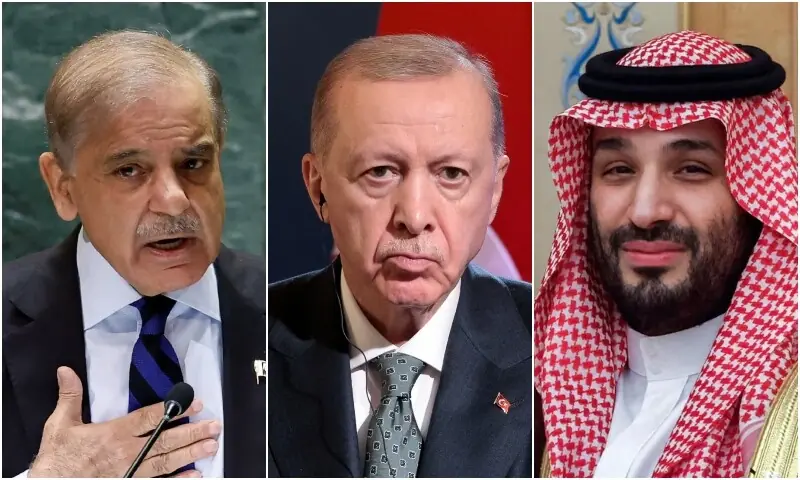


Turkiye is reportedly seeking entry into a mutual defence agreement between Pakistan and Saudi Arabia, potentially paving the way for a new security alignment that could shift the balance of power in the Middle East and beyond, Bloomberg reported on Friday.
Citing people familiar with the matter, who spoke anonymously, Bloomberg reported that the talks are at an advanced stage and “a deal is very likely”.
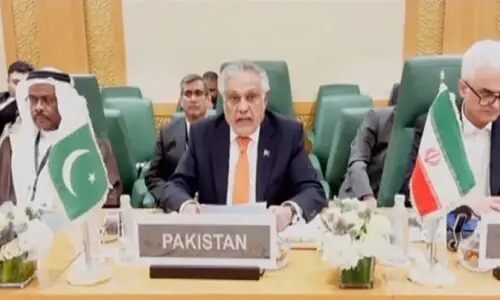
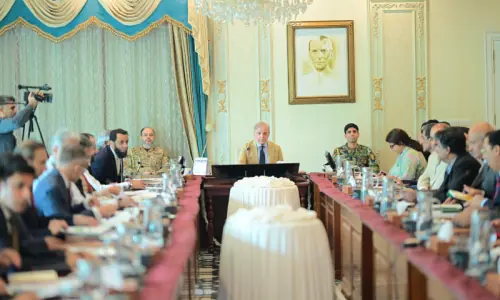
Prime Minister Shehbaz Sharif and Saudi Crown Prince Mohammed bin Salman had signed a “Strategic Mutual Defence Agreement” in Riyadh last September, pledging that any attack on either nation would be treated as an act of aggression against both.
“The expanded alliance would make sense because Turkiye’s interests increasingly overlap with those of Saudi Arabia and Pakistan in South Asia, the Middle East and even Africa,” the Bloomberg report said.
“Turkiye also sees the pact as a way of strengthening security and deterrents when there are questions over the reliability of the US, which has strong military ties with all three countries, and President Donald Trump’s commitment to Nato,“ it added.
The report noted Riyadh’s financial clout and Islamabad’s nuclear capability, ballistic missiles, and manpower, with Turkiye offering military experience and a developed defence industry, according to Nihat Ali Ozcan, a strategist with the Ankara-based think tank TEPAV.
“As the US prioritises its own interests and that of Israel in the region, changing dynamics and fallout from regional conflicts are prompting countries to develop new mechanisms to identify friends and foes,” Ozcan was quoted as saying by Bloomberg.
The information ministry and Turkiye’s defence ministry declined to comment. Saudi Arabian authorities weren’t immediately available to respond to a request for comment to the American publication.
New era
According to Bloomberg, Turkiye joining the alliance would underscore a new era in relations with Saudi Arabia.
“After turning the page on years of rancour, the countries are working to develop economic and defence cooperation,” the report read. “They held their first-ever naval meeting in Ankara this week, according to the Turkish defence ministry.”
The report noted Riyadh and Ankara’s longstanding concern over Tehran and their preference for engagement with the country rather than the use of force.
With regard to Pakistan, Bloomberg noted Turkiye’s construction of corvette warships for the Pakistan Navy and its work upgrading the Pakistan Air Force’s fleet of F-16 fighter jets.
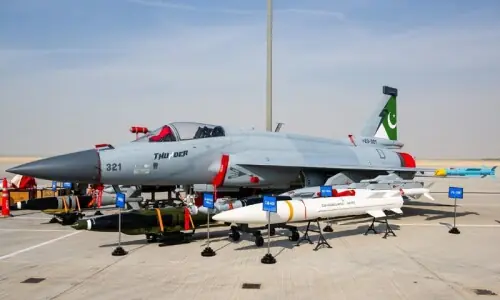
“Turkiye is already sharing drone technology with both countries, and now wants them to join its Kaan fifth-generation fighter jet program,” the outlet added, citing an earlier report.
“The trilateral defence talks come in the wake of a cease-fire between Pakistan and India that ended a four-day military clash between the nuclear-armed neighbours in May,” Bloomberg added.
The report also acknowledged Pakistan‘s tensions with Afghanistan following border clashes, as well as Turkiye and Qatar’s efforts to broker talks, which were inconclusive.
Pakistan and Saudi Arabia have long shared a multifaceted relationship rooted in strategic military cooperation, mutual economic interests, and shared Islamic heritage.
These ties have encompassed economic assistance and energy supplies, with Riyadh being a significant source of financial aid and oil for Islamabad.
With Turkiye, defence cooperation remains a key pillar of bilateral relations. According to the 2023 Stockholm International Peace Research Institute (SIPRI) report, Turkiye is Pakistan’s second-largest arms supplier, accounting for 11pc of its total arms imports.
The defence partnership has grown significantly, with joint projects such as the Milgem warships, aircraft modernisation, and drone acquisitions deepening military collaboration.