0
0

ISLAMABAD: Doctors and physicians in Pakistan are dying at a younger age due to lifestyle-related diseases, extreme burnout and, in some cases, suicide, as they neglect their own health while caring for others, senior cardiologists and mental health experts warned on Thursday.
Speakers shared data showing that nearly six out of 10 physicians experience significant burnout, while suicide rates among doctors are almost double those of the general population. Despite this, only about one-third ever seek professional help.
The warning came at Life in a Metro, a nationwide academic forum organised under Mediverse, where specialists described doctors as the most neglected patients in the healthcare system.
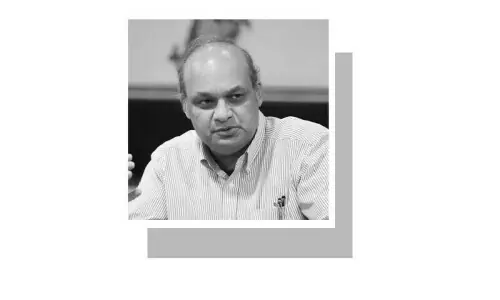
Delivering the keynote address, interventional cardiologist and internal medicine specialist Dr M Rehan Omer Siddiqi said physician burnout had quietly reached crisis levels in Pakistan.
Drawing on international and regional evidence, he noted that long working hours, chronic sleep deprivation, poor diet, physical inactivity and constant psychological pressure were pushing doctors towards early heart disease, diabetes, depression and substance misuse.
“We talk endlessly about ‘do no harm’, yet many doctors are quietly harming themselves,” he said, adding that self-diagnosis, self-prescribing and delaying proper medical care were common among physicians.
Dr Siddiqi said a deeply embedded culture of endurance and guilt prevented doctors from prioritising their own wellbeing. Many believed that taking time off was a sign of weakness or a betrayal of patients and colleagues.
Using the airline oxygen mask analogy, he stressed that doctors must secure their own health before they can care effectively for others. “A healthy doctor delivers safer and better care. Staying healthy is not a luxury; it is a professional responsibility,” he said, urging institutions to promote teamwork, delegation and realistic workloads.
He warned that prolonged stress was not just an emotional issue but a direct cardiac risk.
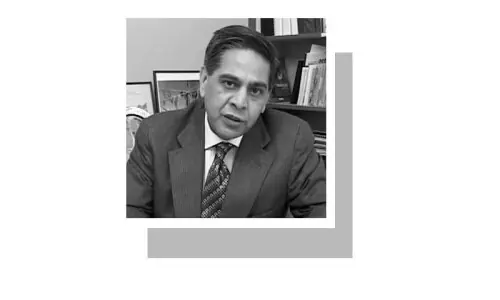
Dr Kulsoom Haider, consultant psychiatrist and psychotherapist, focused on the mind-body connection and emotional resilience, explaining that depression and anxiety were among the most common mental health conditions globally and often present through physical symptoms when left unaddressed.
“The body keeps the score,” she said, noting that unprocessed emotions frequently manifest as fatigue, chest tightness, gastrointestinal problems and even stress-induced cardiac injury, including conditions such as broken heart syndrome.
She highlighted research showing that emotional responses occur thousands of times faster than logical reasoning, meaning prolonged fear, grief and stress can overwhelm the nervous system.
Dr Kulsoom Haider stressed the importance of emotional regulation through simple daily practices such as controlled breathing, mindfulness, gratitude and awareness of bodily sensations.
These techniques, she said, help restore balance between the heart, brain and body and reduce the long-term physiological toll of stress on doctors.
During the discussion, speakers noted that metropolitan life further intensifies physician stress due to traffic congestion, smog, heavy patient loads and seasonal depression, particularly during the winter months. Several panellists observed that doctors often spend their most productive years caring for others while postponing their own lives, only to face isolation, illness or emotional exhaustion later.
In his vote of thanks, Khawaja Ahaduddin, General Manager at Hudson Pharma, said healthcare professionals were more important than any product or brand.
“If physicians continue to burn out and neglect their health, the entire healthcare system becomes unsustainable,” he warned, adding that initiatives like Mediverse were meant to support continuous medical education alongside physical and emotional health.
Published in Dawn, January 2nd, 2026