Inquiries conducted on KP CM’s directive give clean chit to LRH officials
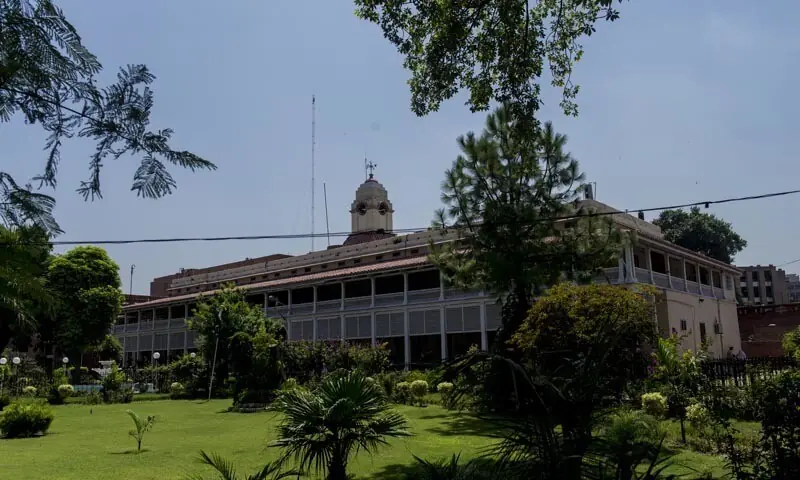
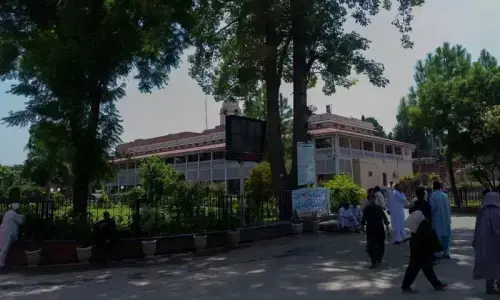
PESHAWAR: The inquiries conducted against hospital director and head of paediatric emergency department of Lady Reading Hospital have found none of them at fault, terming lack of patients’ care and administrative issues institutional problems, according to sources.
However, the hospital director (HD) of LRH left the office and additional charge of the post was given to associate hospital director. The post has been advertised to select new hospital director of LRH.
The inquiries, which are yet to be made public, have been seen by Chief Minister Mohammad Sohail Afridi, who had taken notice of the mismanagement and lack of patients’ care at Khyber Pakhtunkhwa’s biggest tertiary care hospital during his visit on December 17.
The chief minister had issued a charge sheet against the administration after listening to complaints of patients. The very next day, he had issued orders to terminate hospital director and hold inquiry against the head of paediatric emergency department of LRH. However, instead of complying with the directives of chief minister, the Board of Governors (BoG) of the hospital constituted two separate inquiries to look into the matter.
Hospital director of KP’s oldest tertiary care health facility quits office
BoG chairman Prof Nausherwan Burki, when contacted, said that the inquiries were confidential to LRH and could not be released. However, he talked about the major findings of the inquiries and said that the primary problem was rush of patients in paediatric emergency department.
“Our staff sees about 700 patients a day but the number of available beds is 30 in emergency department. To cope with the situation to some extent, we have decided to double the number of beds,” he said. He added that it was recommended to improve the process and make it more efficient with constant oversight.
“No specific person was identified to be particularly at fault. It was an institutional problem. But in the end, Peshawar desperately needs two women and children 400-bed hospitals. I have been recommending this to the government,” said Prof Burki.
He said that he believed that the government was receptive to the recommendation to resolve the issue of patients’ care, especially women and children, in Peshawar.
Paediatricians at LRH said that instead of making new facilities, the government should make operational the 200-bed Children Hospital, which was part of Khyber Institute of Child Health (KICH).
Recently, the chief minister has notified the first BoG for KICH, which has already been declared a medical teaching institution. The idea behind notifying BoG for KICH was to expedite its operationalisation, they said.
“Additionally, capacity of children departments at Hayatabad Medical Complex and Khyber Teaching Hospital can be enhanced in view of sever workload,” said paediatricians.
They said that upgradation of district headquarters (DHQs) hospitals and putting in place a referral system would decrease loads of patients on Peshawar-based MTIs. Presently, patients are coming to Peshawar from different districts without visiting DHQs due to lack of trust.
According to a report of health department, the province has more than 2,500 health facilities, including more than 25 DHQs having all specialties. The department has 90,000 employees for a population of 40 million including 52,143 skilled staff members. This huge healthcare infrastructure is enough to cater to the needs of current population.
The report said that number of medical officers was 8,052, district specialists 930, management cadre doctors 561, dental surgeons 662, nurses 6,157, paramedics 17,466 and lady health visitors and lady health workers 18,315. There was need to develop a mechanism through which patients visited local facilities and only those requiring tertiary services were sent to MTIs, it added.
It said that health department was already working on a plan to develop a referral system.
Published in Dawn, January 1st, 2026