THE world is experiencing an ecological crisis, as the problem has intensified a lot more in recent years. Global data on heat, sea-level rise, biodiversity loss, fossil-based energy usage and associated greenhouse gas (GHG) emissions is indicating worrying signs. Carbon dioxide (CO2) concentrations in the atmosphere have already topped 400 parts per million (ppm), and are continuing to rise at a fast pace.
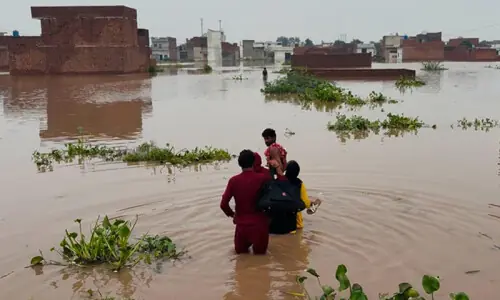
At this critical juncture, Pakistan is also facing major risks from climate change and environmental degradation. A single incident of monsoon flooding in Pakistan in 2022 resulted in an estimated $30 billion in economic damages. The transition to a green economy is necessary to address the challenge of climate change, to reverse environmental degradation, and to protect economic and social progress.
The concept of green economy refers to a structural transformation from a resource-intensive to a resource-efficient economy that focuses on environmental conservation as well as progress towards social inclusion and equity. The green economy is characterised by a low-carbon, resource-saving and socially inclusive model.
Last year, the green economy globally exceeded $5 trillion in value, and it is expected to reach more than $7 trillion by 2030. This economy already provides significant opportunity for firms to expand and excel by capitalising on the rising demand for green products and developing technology. It allows governments to boost gross domestic product (GDP) growth, enhance economic resilience, and create employment.
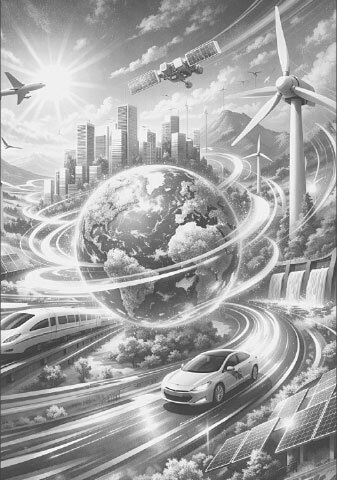
Pakistan, to its credit, is embracing the nature-positive shift in a number of key sectors, including transportation, land use, construction, energy, infrastructure and waste management. It is also supporting the ongoing development and expansion of new green projects that have been initiated to make the green economy a reality in order to secure future success.
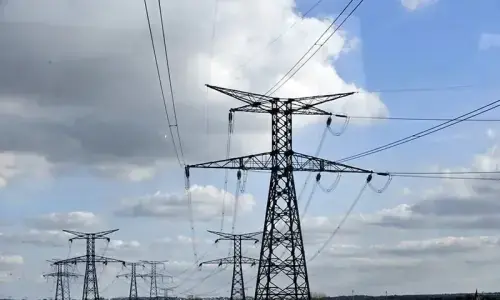
These initiatives include the Green Pakistan Programme, net-metering, wind energy zones, development of energy efficiency standards, eco-friendly industrial parks, electric vehicles (EVs), public transportation upgrades, climate-smart agriculture programmes, growing urban green spaces, forestry and the initiatives related to e-waste management.
Concomitantly, financial constraints, cohesive legislation and regulations, inadequate infrastructure, socioeconomic issues, and educational disparities are some of the barriers that might act as a bottleneck and impede the growth of the green economy.
We need multi-stakeholder cooperation that is required because regulators are to ensure that development complies with established guidelines and standards, while policymakers are responsible for creating frameworks for incentivising and developing different sectors, such as low carbon materials, green packaging, sustainable logistics, biofuels, green fertilisers, plastic and e-waste recycling, and engineered and nature-based carbon removal solutions.
In the interim, it is crucial to comprehend how political, economic and technological factors impact the green economy and can hasten the shift to a green economy.
Dr Ainy Zehra
Islamabad
Published in Dawn, December 29th, 2025