Tribunals under Punjab property ownership law yet to become operational


 0
0
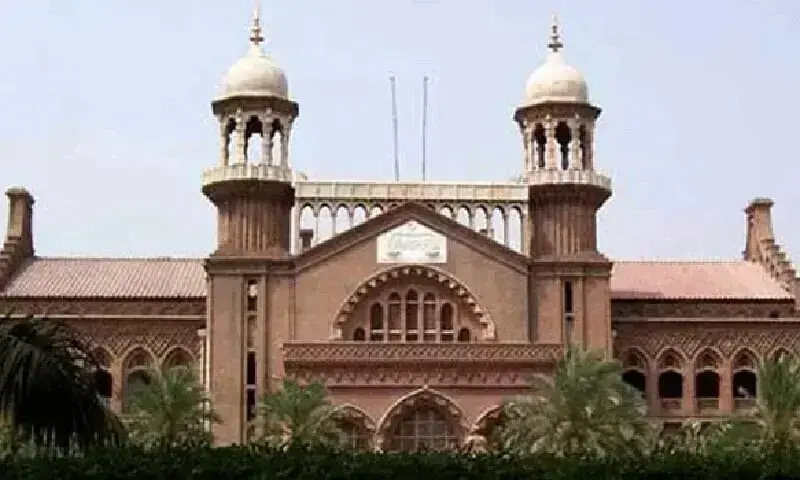

The tribunals recently notified by the Punjab government under the property ownership law have yet to become fully operational, as they have not been provided with the requisite staff or designated premises to conduct proceedings.
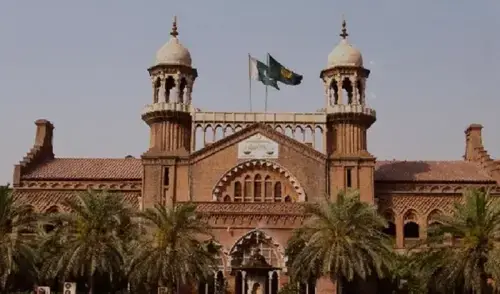
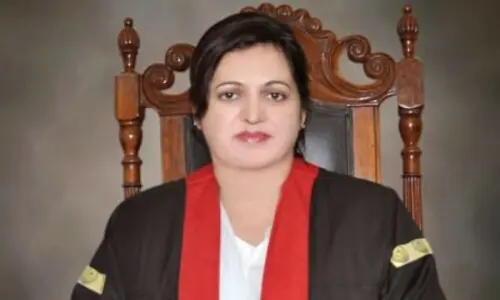
On Monday, Lahore High Court (LHC) Chief Justice Aalia Neelum suspended the operation of the newly enacted Punjab Protection of Ownership of Immovable Property Ordinance, 2025, which empowers deputy commissioner-led committees to decide property disputes.
In response to the suspension, Punjab Chief Minister Maryam Nawaz argued that the move would “benefit encroachment and land-grabbing mafias”.
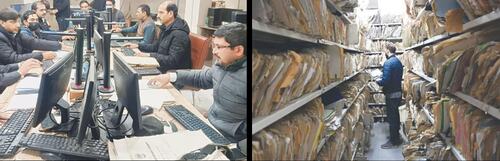
During Wednesday’s hearing against the law, Justice Neelum remarked that the notification for the tribunals was recently issued after almost two and a half months, but the tribunals were still not functional, noting that neither staff nor place had been designated to the tribunals.
It may be mentioned that the Punjab government had appointed the LHC-nominated judicial officers as members of the tribunals to be established under Section 11 of the Punjab Protection of Ownership of Immoveable Property Ordinance 2025.
A notification issued by the Board of Revenue, Punjab, explains judicial officers’ appointment in 36 districts out of 41 districts in the province. All the newly appointed nominees as Members of the Tribunals are retired district and session judges.
The notification says property tribunals established at Rawalpindi and Muzaffargarh shall exercise jurisdiction in the districts of Murree and Kot Addu, respectively, till the nomination of judicial officers by the LHC.
Similarly, the property tribunals of districts Gujrat, Chakwal, and Dera Ghazi Khan shall exercise jurisdiction in Wazirabad, Talagang and Taunsa districts, respectively.
The Punjab government said the property tribunals had been established to save citizens from illegal occupation of their immovable properties and protect their proprietary rights.
The government also said prosecutors, who would draw their salaries from their respective district offices, had also been appointed at respective tribunals to assist in the legal proceedings.
Also, the government entrusted the additional charge of Registrar Tribunals to assistant commissioners (coordination) in respective districts.