Iraq negotiates new coalition under US pressure to exclude ‘pro-Iran’ groups


 1
1
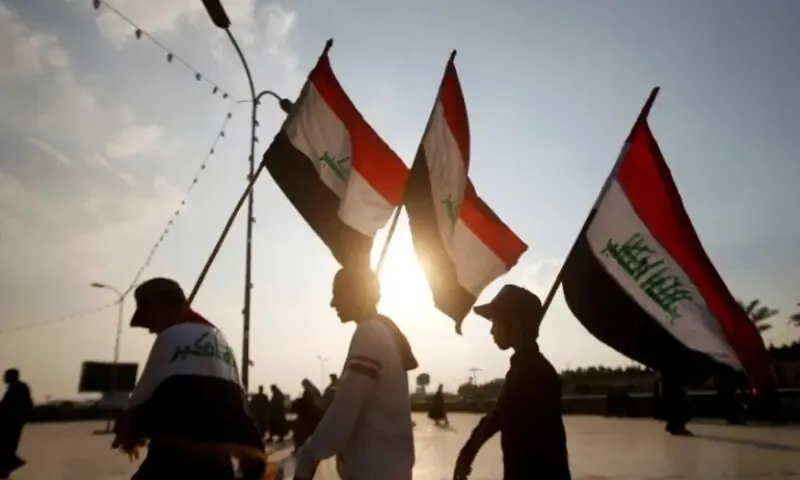

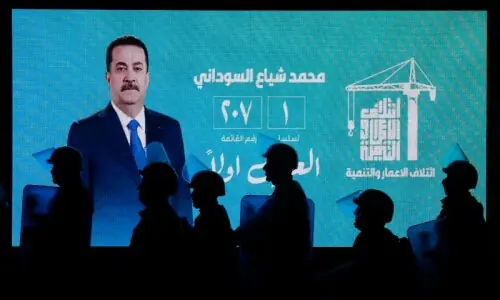
BAGHDAD: More than a month after Iraq’s parliamentary elections, the country’s top leaders remain locked in talks to form a government while facing pressure from Washington to exclude “Tehran-backed armed groups”.
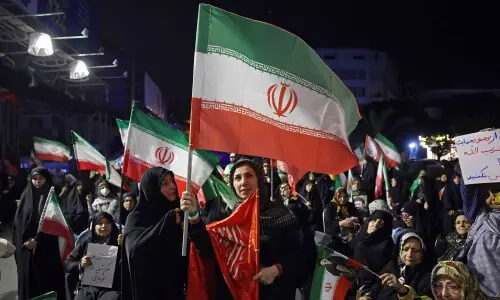
Amid seismic changes in the Middle East, where new alliances are forming and old powers waning, Iraqi leaders face a daunting task: navigating relations with US-blacklisted pro-Iranian factions.
What does the US want?
The US has held significant sway over Iraqi politics since leading the 2003 invasion that ousted Saddam Hussein.
But another spectre also haunts Iraq’s halls of power: Iran.
Iraq has long been caught between the two, with successive governments negotiating a delicate balance.
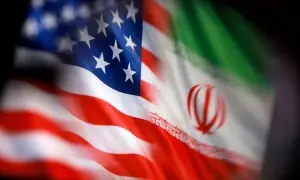
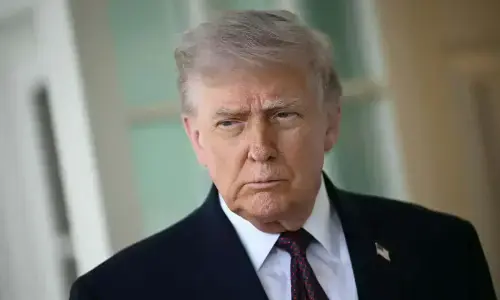
Now, after last month’s election, Washington has demanded the eventual government must exclude “Iran-backed armed groups” and instead move to dismantle them.
A State Department spokesperson said: “Iraqi leaders well know what is and is not compatible with a strong US-Iraq partnership.”
Washington, the spokesperson said, “will continue to speak plainly to the urgency of dismantling Iran-backed militias”.
But some of these groups have increased their presence in the new chamber and have joined the Coordination Framework, an alliance of Shia parties with varying ties to Iran and which holds the majority.
For weeks, the Coordination Framework has been embroiled in talks to nominate the next prime minister.
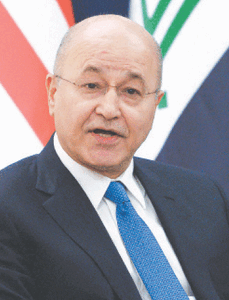
In recent tweets, the US special envoy to Iraq, Mark Savaya, said that Iraqi leaders are at a “crossroads”.
Their decision “will send a clear and unmistakable signal to the United States… that Iraq is ready to claim its rightful place as a stable and respected nation in the new Middle East.
Which armed groups?
The US has blacklisted as “terrorist organisations” several armed groups from within the Hashed al Shaabi, a former paramilitary alliance now integrated into the armed forces.
They are also part of the “axis of resistance” and have called for the withdrawal of US troops.
What is at stake?
Iraq has its economic growth to worry about.
After decades of turmoil, it has only begun to regain a sense of normalcy in recent years.
Washington has already imposed sanctions on several Iraqi entities and banks, accusing them of helping Tehran evade sanctions.
But Iraqi leaders hope for greater foreign investments and support partnerships with US companies.
The most striking endorsement came from Khazali, an opponent of the US military presence who now argues that it would be in Baghdad’s interest for major US companies to invest.
Since the Gaza conflict broke out in Oct 2023, Iraq has remained relatively unscathed by the turmoil engulfing the Middle East.
Iraqi armed groups did launch attacks on US troops and on Israel. Washington responded with heavy strikes, and the attacks have long since halted.
Iraq remained the only close regional ally of Iran to stay out of Israel’s crosshairs.
Published in Dawn, December 20th, 2025