AT a university in Sukkur recently, a group of students decided to explore through a class project the future of marketing in its human form. The class was divided into three groups, and each team was asked to bring real-life vendors to the university by convincing them to set up stalls on the campus.
In practice, it was anything but easy. The students had to reach out to local businesses, pitch their ideas, negotiate deals, and explain why appearing at a university could actually benefit the vendors. This meant stepping into the shoes of real marketers — not just reading about strategy, but living it. It required confidence, communication skills and creativity.
Some vendors were hesitant; others did not see the value in it. But slowly, with persistence and persuasion, the students won them over. Within days, the campus transformed. Stalls popped up across the courtyard — colourful, busy and full of energy. Students sold snacks, services and crafts; vendors greeted new customers; laughter and music filled the air. The project that began as a classroom experi- ment had soon turned into a celebration of entrepreneurship and learning.
For many students, it was their first real taste of the business world. They learned how to handle rejection, build trust and sell ideas. They discovered that marketing is not about memorising theories; it is about people, relationships and understanding what makes someone say ‘yes’.
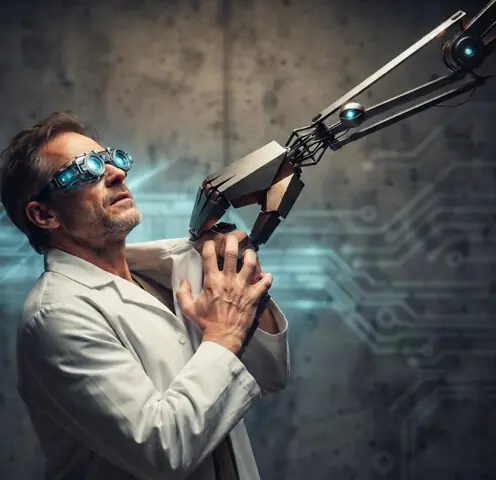
But beyond all the energy and success stories, the project also sparked a bigger conversation: in an age of artificial intelligence (AI), where does the human marketer stand? Sure enough, AI can crunch numbers, analyse consumer data, and even write catchy headlines. But it cannot replace human intuition. It cannot read a customer’s hesitation, or sense an opportunity in a casual conversation, and, indeed, it cannot build a genuine connection. Marketing, at its heart, is about empathy — something that no algorithm can fully replicate.
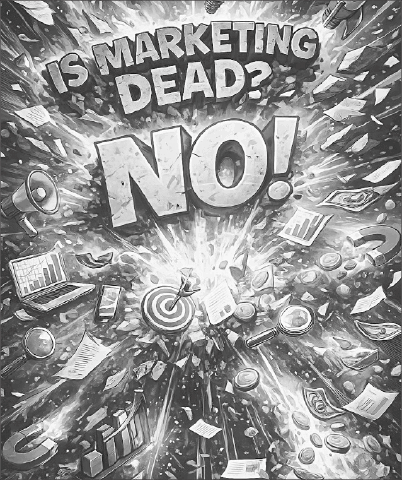
The marketing activity was a reminder that while technology is transforming industries, it is the human element that gives marketing its soul. Marketing is far from dead. It is alive, powered by passion, driven by creativity, and rooted in the timeless art of human connection.
Airaaf Ali
Sukkur
Published in Dawn, December 19th, 2025