Pakistan’s soils face severe nutrient depletion: FAO

ISLAMABAD: As ‘World Soil Day’ was observed on Friday, a new assessment by the Food and Agriculture Organisation (FAO) of the United Nations has found that Pakistan’s soils generally suffer from low fertility and major nutrient deficiencies, including essential elements.
The FAO analysis notes that organic matter levels in most soils are critically low, weakening soil structure and reducing water retention.
Around 36 million hectares are classified as agricultural land as of 2022. Of the agricultural land, approximately 30.2 million hectares are used for arable farming, 5m hectares for permanent meadows and pastures and 0.72m hectares are dedicated to permanent crops. Around 2.5m hectares of the country’s total area are classified as forest land.
The soil is predominantly alkaline, with large areas affected by salinity and sodicity, particularly in irrigated agricultural areas. Erosion and pollution are also widespread issues, says the analysis.
The analysis recommended to develop a comprehensive national soil policy that integrates various aspects of soil management. This policy should provide a clear framework for all stakeholders and guide the implementation of soil governance at national and provincial levels.
Analysis finds organic matter levels critically low, leading to reduced soil structure, poor water retention
New legal frameworks or amendments to existing ones can also be introduced to address gaps, particularly focusing on critical issues such as overgrazing, mining impacts, urbanisation, and the effects of climate change on soil degradation.
It suggested revision in the existing laws to close gaps and strengthen regulations concerning soil protection, including tightening enforcement provisions and clarifying responsibilities among various governmental and non-governmental entities involved in soil management.
The analysis called for creating formal mechanisms for interagency coordination that brings together relevant ministries to ensure a holistic approach to soil governance.
Intensive farming practices have contributed to nutrient depletion and waterlogging in many agricultural areas. Deforestation and overgrazing have accelerated erosion and the loss of organic matter. Land tenure issues, such as insecure ownership, discourage long-term investments in sustainable soil management.
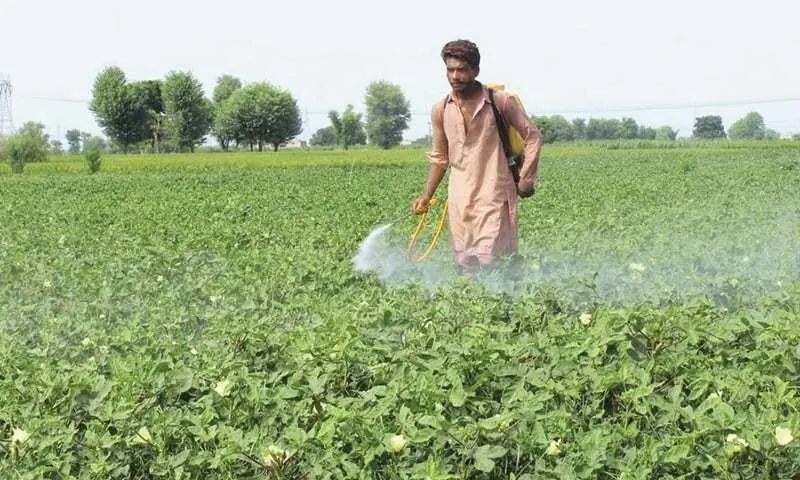
The FAO says many farmers still rely heavily on chemical fertilisers, including in key agricultural regions such as Punjab, which accounts for 70 per cent of the country’s agricultural output. While reforestation efforts have produced positive results in some regions, deforestation remains a significant threat in Balochistan and Sindh because of illegal logging and insufficient enforcement of forest conservation laws. A lack of capacity within provincial agencies has also resulted in inconsistent enforcement, particularly in rural and remote areas. Weak enforcement of penalties limits their deterrent effect.
Violations such as industrial pollution persist due to gaps in monitoring and legal follow-up. These agencies often lack the expertise and personnel necessary to effectively implement and monitor soil-related strategies and legal frameworks. Limited extension services have also contributed to significant knowledge gaps on sustainable practices.
The FAO assessment reviewed and analysed soil-related strategies and legislative frameworks in Pakistan, with the aim of providing targeted recommendations to policymakers for addressing eventual policy gaps and strengthening implementation and monitoring of impacts mechanisms. The analysis evaluated these strategies and frameworks based on their effectiveness in addressing key soil threats, as well as their implementation, monitoring, and improvement.
Published in Dawn, December 6th, 2025