Oak forest depletion in South Waziristan raises alarm bells
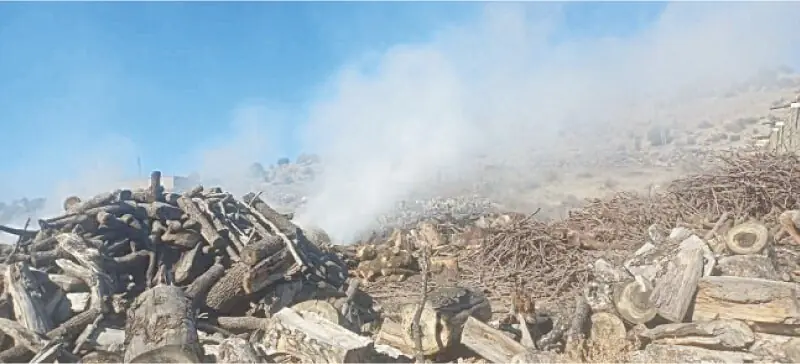
SOUTH WAZIRISTAN: Large-scale felling of natural forests, particularly of oak, has triggered serious environmental concerns across the Lower South Waziristan tribal district where residents and experts warn that the region’s ecological stability is rapidly deteriorating.
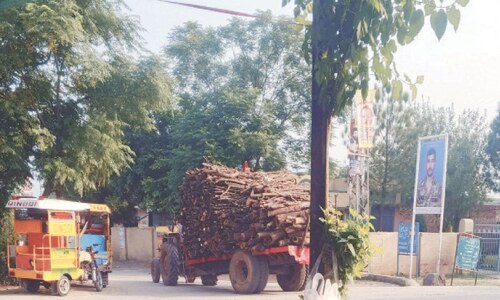
Local elders told Dawn that deforestation went unchecked amid weak law enforcement and negligence of the forest department, which allowed timber groups to operate charcoal kilns and cut wood worth millions of rupees every day.
Local elders say that the organised nature of the timber operations suggests the involvement of well-connected actors who transport wood from remote mountainous belts to charcoal production sites. They claimed that despite repeated complaints, authorities have failed to dismantle the network responsible for the felling of oak and other valuable tree species.
Official statistics from the Forest Department indicate that nearly 32 per cent of all forests in the former Fata region are located in Lower and Upper South Waziristan districts.
Experts warn weather patterns changing in region due to issue
However, excessive, unregulated, and often illegal tree felling over the past several years has severely disrupted the ecological balance. Entire mountainsides have been stripped of tree cover, increasing the risk of soil erosion, flash floods, and long-term climate instability.
Environmental experts warn that the rapid depletion of oak forests has already begun altering local weather patterns. They link this year’s below-average monsoon rains to widespread deforestation, noting that oak trees play a vital role in moisture retention and groundwater recharge. Many areas that once remained covered in dense oak and Chilgoza (Pine Nut) forests now stand barren.
Forestry specialists emphasise that oak remains one of the most critical species within the region’s natural ecosystem. The species stores underground water and provides essential moisture for surrounding vegetation, including the economically important chilgoza trees.
Experts note that a single oak tree requires nearly 35 years to reach full maturity, yet decades-old trees are being felled within minutes by chainsaws used in illicit timber operations. They warn that the current rate of deforestation could irreversibly damage the region’s biodiversity.
Reports from the ground indicate that several localities, including Shakai, Joni Mela, Sangha, Sargishai, Mandra, Mandi Kol, Lar Khu, Sara Khors, Sarakonda, Baghhar, Ragzai and Khomrang, are witnessing an alarming increase in tree felling. Charcoal kilns have been established in several pockets, where logs are burned in large quantities to produce coal for commercial sale.
Residents say that the rapid expansion of these kilns reflects a complete absence of monitoring and accountability.
Local communities have alleged that some security agencies have cut down chilgoza and deodar trees in selected areas, citing security requirements. Residents claim that such actions have deprived dozens of low-income families of their primary annual income. Many affected families say that they have not been compensated nor provided with any alternative livelihood support, leaving them economically vulnerable.
Following widespread concerns, political and social leaders have urged the chief minister and the forest minister and secretary to intervene immediately.
They demanded stringent action against illegal tree cutters, a crackdown on charcoal kilns and accountability of negligent officials.
Community leaders also called for compensation for local residents who have suffered economic losses due to tree felling.
In response to the mounting criticism, Lower South Waziristan divisional forest officer Umar Khitab on Tuesday issued a formal statement addressing the situation.
According to him, the oak forests located in Shakai tehsil and surrounding areas of Wana are situated entirely on private lands and their legal status as protected, communal, social-managed or jointly managed forests had yet not been notified.
This, he said, creates management challenges that differ from those applicable to government-owned or reserved forests.
The DFO said an investigation by the sub-divisional forest officer (SDFO) Wana identified charcoal kilns and the use of chainsaws as the primary causes of oak forest decline.
The matter was also reported by the tehsildar Shakai and the additional deputy commissioner at Lower South Waziristan.
The forest department later recommended that the deputy commissioner impose a ban on the operation of chainsaws and charcoal kilns in Shakai tehsil.
On the DFO’s instructions, the range forest officer in Toi Khulla and the SDFO in Wana held a jirga with elders of Shakai area, urging them to halt charcoal production immediately. The community was advised not to set up more kilns and to limit the use of firewood strictly for domestic purposes.
The department also said that the district was currently being managed by six to eight field staff members, including foresters and forest guards, a major operational challenge.
It also said that staff recruitment was under way though the process would take time to complete.
The forest department said that despite resource constraints, it was committed to the protection and sustainable management of oak forests in the Lower South Waziristan district.
Published in Dawn, December 3rd, 2025