‘Politics of population’: Leaders debate census controversies, resource allocation
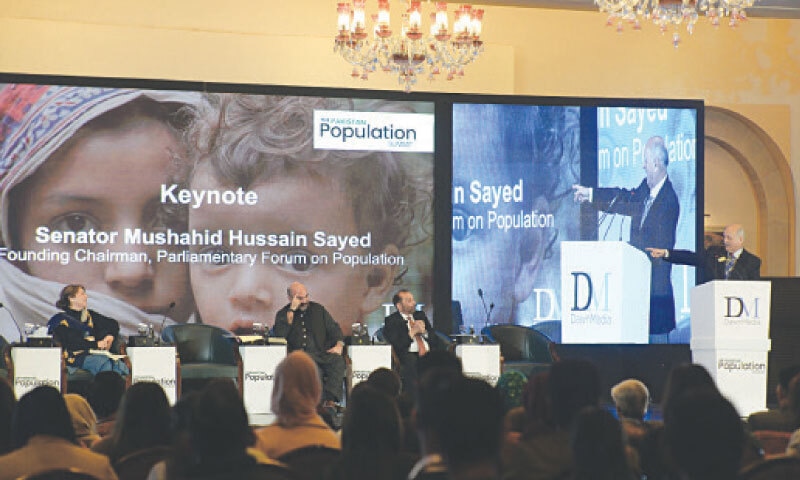

• Mushahid highlights constitutional ‘flaw’ of basing resource allocation on population,
rather than level of development
• Jhagra criticises bifurcation of population management from health sector
• Farooq Sattar disputes census methodology
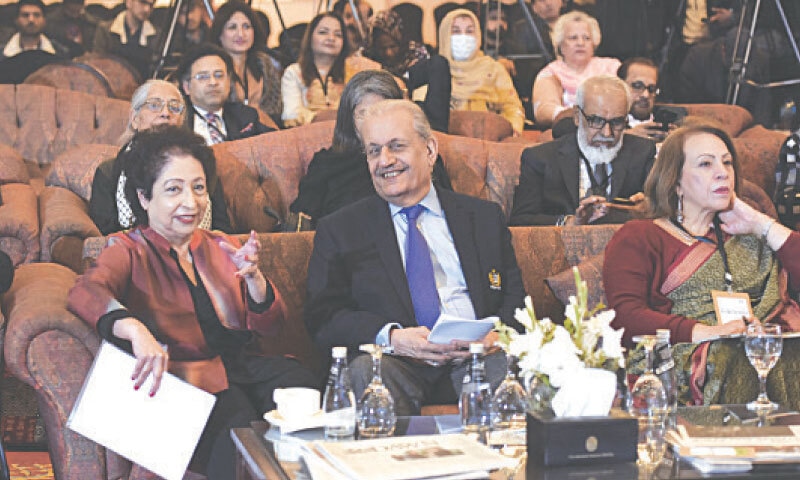
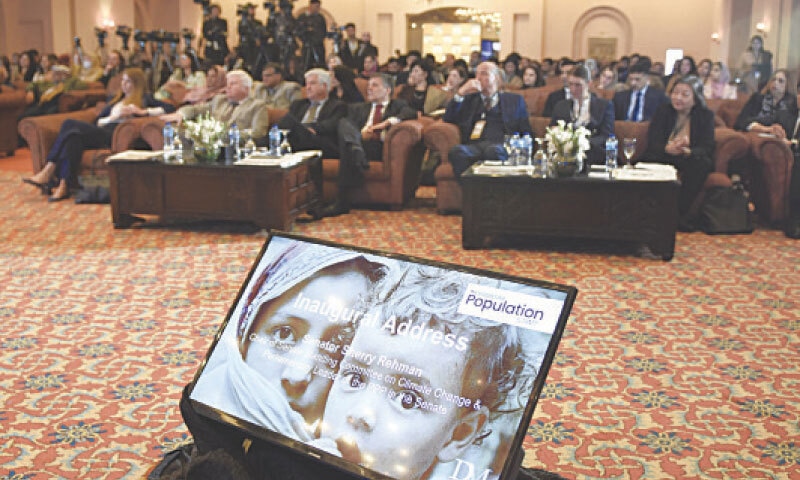
ISLAMABAD: Participating in a lively discussion on how political issues can be resolved and become part of the strategy, former Khyber Pakhtunkhwa finance minister Taimoor Jhagra called for increasing the size of the National Finance Commission (NFC) award, while MQM-Pakistan leader Farooq Sattar disputed the approach adopted to conduct the population census in Karachi.
The session on ‘Translating Political Resolve into Strategy’ was moderated by Senator Mushahid Hussain Sayed, with Mr Jhagra, Mr Sattar, and PML-N MNA Shaista Pervaiz in attendance.
Mushahid Hussain pointedly referred to what he termed the “politics of population”, adding that after every census, “there was a controversy. People say the population has been understated.”
According to Pakistan’s own Constitution, when allocations come from resources, they are based on population. “If you have a higher [population] you get more money from the federal government.”
Rather, he maintained, the system should be based on level of development and socioeconomic backwardness.
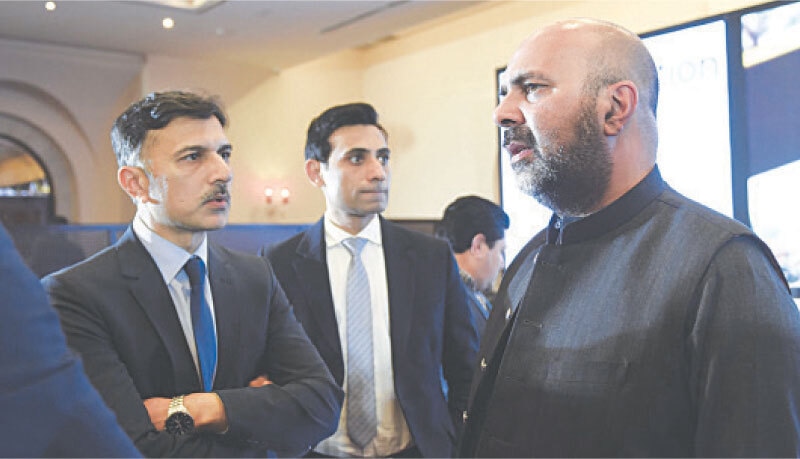
Mr Jhagra, while defining the NFC, said its primary objective is fiscal equalisation. Talking about Sindh and Punjab, he said Sindh can generate revenue from the Karachi Port, while Punjab can generate revenue being the agricultural hub and bread basket of Pakistan.
However, Balochistan faces massive challenges, while Khyber Pakhtunkhwa has two competitive advantages: trade with Afghanistan and being the energy hub of the country.Unfortunately, he noted, trade with Afghanistan was now closed, and the province was suffering as a result.
Mr Jhagra called for integrating population management measures into the health sector. Recalling his tenure as provincial health minister under the PTI-led provincial government, he said his instructions to all basic health units and primary healthcare centres was setting key metrics, including population management.
The former minister stressed that “by bifurcating population management from health, we have actually created this need to buy new land for new centres, to recruit more staff when all the staff exists within the health set-up.”
Recalling a federal government’s population management meeting, he said that “out of Rs10 billion set up for population management measures, we were told that Rs9 billion would be spent on arranging land for the centres”.
Census controversy
Farooq Sattar said that in the census last held in 2023, due to enhanced monitoring, authorities were able to catch the “thieves snatching away a big chunk of Karachi’s population”. Karachi’s population had risen from 32 to 37 per cent of Sindh’s over the last sixty years. The influx of population to Karachi continues, he said.
Mr Sattar talked about the role of local governments as the main instrument of delivery. The lady health workers system should be part of the local governments.
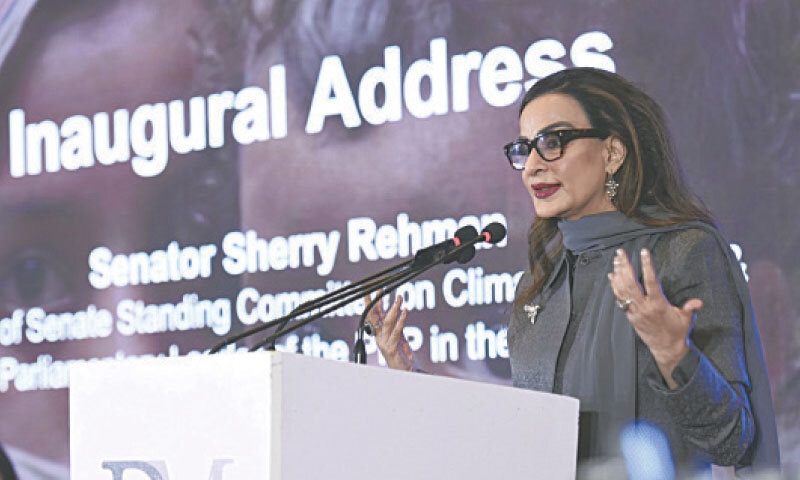
When asked about actions that the current government, led by PML-N, should be taking to promote population as the paramount issue for Pakistan, PML-N MNA Shaista Pervaiz stated that Prime Minister Shehbaz Sharif had taken up the challenge to tackle massive population growth.
She pointed out a lack of coordination between the Centre and the provinces, saying that the priority should be taken at the national level, with provincial chief ministers brought into it together.
The PML-N lawmaker emphasised the need to take the people along with what is decided at the top, adding that the Centre and the provinces were working in silos, with each taking its own decisions.
Political consensus
Founding Chairman of the Parliamentary Forum on Population, Senator Mushahid Hussain Sayed, said that all the major political parties now had a focus on the subject of population.
He recalled that he also spoke to the military when he was the chairman of the Senate’s standing committee on defence. “That time onwards, even the speeches of the military focused on population as a part of the narrative on Pakistan,” Mr Hussain said. He pointed out that “lack of political will and lack of priorities” were the problems in tackling the issue.
Published in Dawn, December 2nd, 2025